

Vatican Radio Marks 95 Years on World Radio Day With Global Reflection on AI and the Human Voice

Vatican Radio is marking its ninety fifth anniversary with a special multilingual initiative timed to World Radio Day, placing the future of radio and the role of artificial intelligence at the center of a global conversation. On 13 February 2026, the broadcaster will air seven thematic programs in seven languages, later released as podcasts, exploring how radio can continue to serve society in an era shaped by rapid technological change.
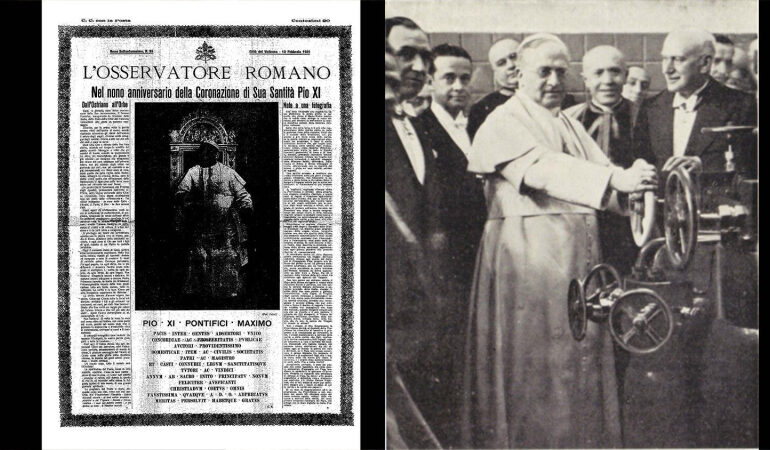
The anniversary comes one day after the historic milestone of the Vatican broadcaster, founded on 12 February 1931. Established at the request of Pope Pius XI and built by radio pioneer Guglielmo Marconi, Vatican Radio was created to connect the Holy See with people across continents, cultures, and languages. Over nearly a century, it has become one of the world’s oldest continuously operating radio services and a key voice in international religious and cultural communication.
This year’s initiative aligns with World Radio Day and its 2026 theme, which emphasizes that artificial intelligence should remain a tool rather than a voice. The programs will examine how radio, as a medium rooted in human presence and listening, can integrate new technologies without losing its essential character. The discussions also echo the broader reflections of the Holy Father on communication, responsibility, and discernment in the digital age.
Each language program brings together voices from different regions and professional backgrounds. Participants include leaders of Catholic and public radio networks, journalists, media executives, scholars, and specialists in artificial intelligence. Through these exchanges, the programs aim to compare experiences from Europe, Africa, Asia, and Latin America, highlighting how radio continues to play a vital role in education, public service, and evangelization.
The English language program features representatives from Asian and African Catholic broadcasters, while the French edition focuses on ethical and cultural questions surrounding technology. German language discussions bring together innovation leaders from major European public broadcasters. Spanish and Portuguese programs emphasize the role of radio in community education and social development across the Americas. The Italian edition reflects on editorial strategy and digital audio evolution, and the Polish program highlights the relationship between national, regional, and faith based radio in a changing media environment.
Across all seven programs, contributors return to a shared conviction that radio remains a deeply human medium. Built on voice, relationship, and proximity, it offers something that purely automated communication cannot replace. Ninety five years after its founding, Vatican Radio continues to adapt through podcasts and digital platforms while reaffirming its original mission to unite people through sound. In the age of artificial intelligence, the broadcaster’s message remains clear that technology can assist communication, but meaning and responsibility always belong to the human voice.