
U.S. Catholic Leaders Demand Presidential Apology After Racist Social Media Incident

Senior leaders of the Catholic Church in the United States have publicly called on President Donald Trump to issue a formal apology after a racist social media post shared from his account sparked national outrage. The incident has intensified debate over political rhetoric, responsibility in public office, and the moral standards expected of national leaders.
The controversy stems from a video meme shared on the president’s Truth Social account in early February that employed a racist trope depicting former President Barack Obama and former First Lady Michelle Obama. Although the post was later removed, it remained visible for several hours and drew sharp criticism from across the political and religious spectrum.
Cardinal Blase Cupich and Archbishop Edward Weisenburger issued separate statements condemning the post and rejecting the explanations offered by the White House. Both leaders said the harm caused by the imagery was real and could not be dismissed as misunderstanding or exaggeration.
Cardinal Cupich said that outrage over the incident was justified and insisted that only a clear and immediate apology would be adequate. He emphasized that portraying human beings as animals has a long and painful history in the United States, where such imagery was often used to dehumanize immigrant communities and justify exploitation, exclusion, and violence. According to Cupich, the use of these tropes in modern political discourse shows that racism remains a present danger rather than a relic of the past.
Archbishop Weisenburger echoed those concerns, stating that it was deeply disturbing for anyone, particularly the president or his staff, to regard racist content as acceptable or humorous. He rejected claims from administration officials that public reaction amounted to fabricated outrage and said such language trivialized the genuine pain caused by racial hatred.
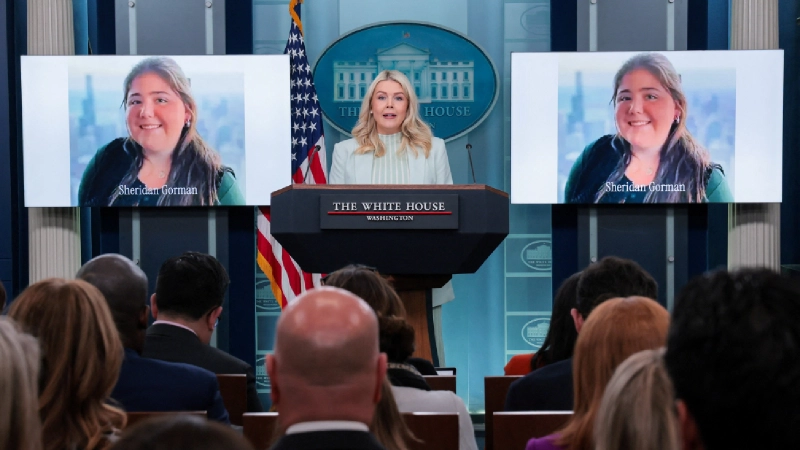
Initially, the White House defended the post, describing it as part of a broader internet meme. Later statements shifted responsibility to a staff member, with the president saying he had not seen the offensive portion of the video before it was shared. Despite acknowledging that the imagery was objectionable, the president has maintained that he did not make a mistake and has refused to apologize.
Church leaders have said this response only deepened concern. Cupich argued that if the president knowingly approved the post, he should admit it, and if he did not, he should explain why his administration dismissed public anger as insincere. In either case, he said, moral accountability requires an apology.
Beyond the immediate incident, Archbishop Weisenburger called for a broader examination of conscience within American society. He urged citizens to confront the persistence of racism and to remain vigilant against its effects. As Catholics, he said, belief in the inherent dignity of every human person demands active resistance to language and actions that degrade others.
The statements from Catholic leaders highlight the growing tension between political power and moral responsibility in public life, underscoring the Church’s insistence that leadership must be guided by respect for human dignity and an unwavering rejection of racism.