Catholic Women in Minneapolis Step Forward as Immigration Raids Spread Fear
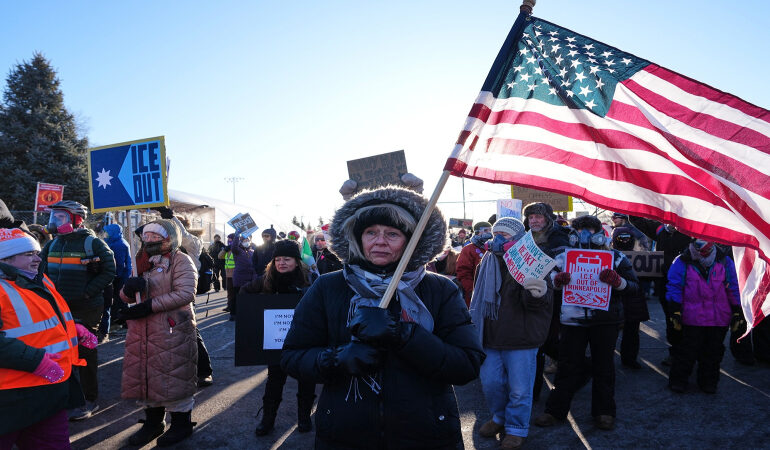

As immigration enforcement operations intensify across Minneapolis, Catholic women are emerging as some of the most visible and active leaders responding to the fear gripping immigrant communities. With families afraid to leave their homes and parishes seeing dramatic drops in attendance, laywomen across the Twin Cities are organizing direct support, public prayer, and peaceful protest in response to large scale actions by U.S. Immigration and Customs Enforcement.
In recent weeks, immigration operations in Minneapolis have left many immigrant families feeling unsafe at work, school, and even in church. Community ministers describe widespread anxiety and emotional strain, fueled by the perception that immigrants are being portrayed as criminals rather than neighbors. For many, the threat of detention has resulted in isolation, lost income, and deep psychological stress.
Rhonda Miska, who works in Hispanic ministry at a Catholic parish in the Minneapolis suburbs, has been meeting with families affected by detentions, offering communication support and crisis assistance. She describes her role as being present on the ground where help is urgently needed. According to Miska, constant fear and stigmatization can erode a person’s sense of dignity and belonging, especially when public rhetoric repeatedly paints immigrants in dehumanizing terms.
While Catholic bishops in Minnesota and at the national level have issued statements urging prayer and respect for human dignity, many lay Catholics say these responses feel distant from the reality unfolding in their neighborhoods. As a result, laywomen have stepped into leadership roles, organizing demonstrations, food distribution, and pastoral outreach to families who are unable or afraid to leave their homes.
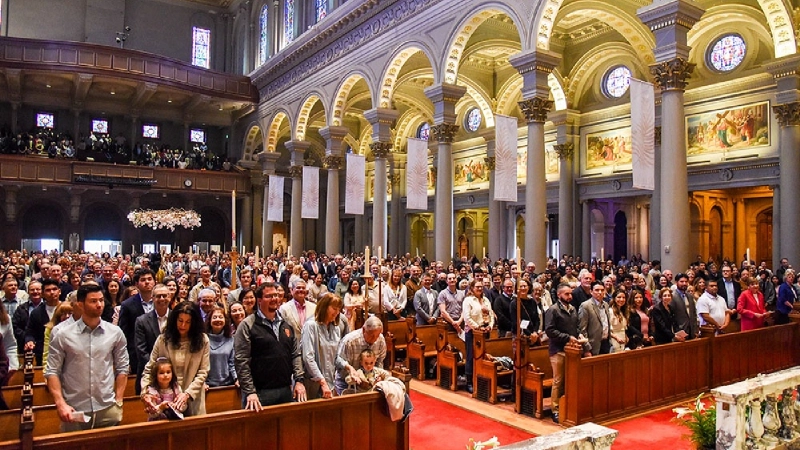
At the Church of the Ascension in north Minneapolis, parish leaders report a sharp decline in attendance since immigration operations expanded. Major celebrations that once drew hundreds now bring only a fraction of that number. In response, parish volunteers have organized food deliveries for families who cannot shop or have lost wages due to enforcement actions. Within weeks, hundreds of households have received assistance.
Anne Attea, a longtime pastoral associate, says many families are desperate for human contact. Some have not left their homes in months. To reach them, Attea and other volunteers have brought prayer directly into affected neighborhoods. During a Candlemas prayer gathering outside an apartment complex where detentions had occurred, singing and rosary prayers drew residents to their windows, some holding candles in quiet solidarity.
Prayer has also become a source of resilience for those detained. One woman deported to an out of state detention center responded by organizing prayer groups among fellow detainees, offering spiritual support in a place marked by fear and uncertainty. After her release, she returned to Minneapolis with renewed purpose.
Public protest has also played a role. Catholic women have joined demonstrations outside federal buildings, calling for humane immigration policies and nonviolent enforcement. Many note that women are disproportionately visible in these efforts, despite their limited formal authority within church structures.
Several of the women involved belong to Discerning Deacons, a Catholic network advocating recognition of women’s diaconal vocations. While the Church does not currently ordain women as deacons, participants say their actions reflect lived service rather than institutional titles.
For these women, the crisis has clarified their sense of mission. They say responding to fear, injustice, and exclusion cannot wait for formal approval. In the midst of immigration raids, they see their work as a direct expression of faith rooted in presence, compassion, and courage.