


Peruvian Bishop Advocates Prison Reform and Social Development After Vatican Meetings
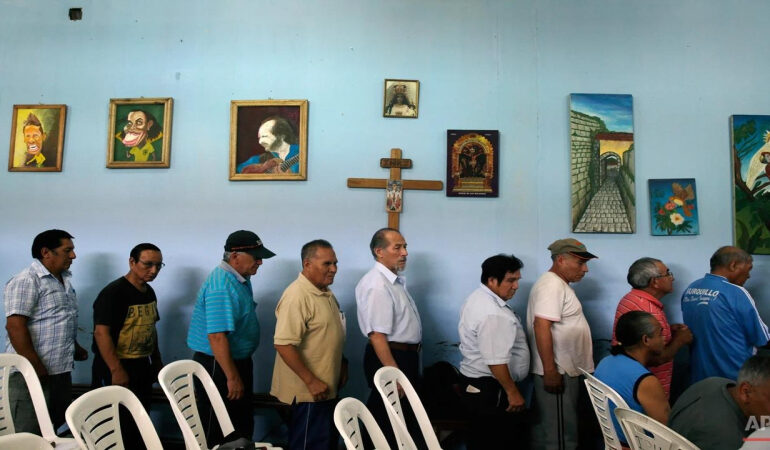

A Peruvian bishop known for his longstanding work in prison ministry is calling for deeper social development and structural reform of the country’s penal system, describing many detention centers as overcrowded and inhumane environments that require urgent attention.
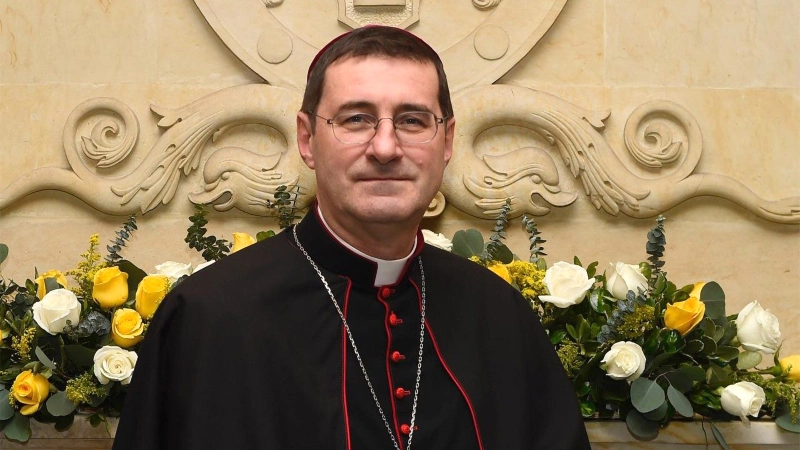
Bishop Jorge Izaguirre of Chosica recently traveled to Rome for the Peruvian bishops’ ad limina visit, where he met with Pope Leo XIV and Vatican officials. The periodic visit offered an opportunity to discuss pastoral priorities and social challenges facing Peru. For Bishop Izaguirre, prison reform remains central to his mission.
He has described prisons in Peru and across much of Latin America as severely overcrowded, lacking adequate sanitation, healthcare and basic services. Some facilities, including the large Lurigancho and Castro Castro prisons in Lima, reportedly hold far more inmates than their intended capacity. According to the bishop, this overcrowding contributes to deteriorating living conditions and hinders any meaningful rehabilitation efforts.
As head of Peru’s National Prison Ministry, Bishop Izaguirre has long been involved in pastoral outreach behind bars. He began prison ministry shortly after his ordination and has continued the work throughout his episcopal ministry. He also collaborates at the continental level through the Latin American bishops’ conference in programs related to prison pastoral care.
In recent months, prison ministry has gained increased visibility within the universal Church. Pope Leo XIV authorized the formal placement of the International Commission of Catholic Prison Pastoral Care under the Vatican’s Dicastery for Promoting Integral Human Development. Church leaders say the move signals that support for inmates and advocacy for reform are not only regional priorities but global concerns.
Bishop Izaguirre has spoken candidly about the systemic challenges within Peru’s justice system, including corruption and delays in legal proceedings. He argues that economic inequality often shapes outcomes, with those lacking resources facing harsher conditions and fewer opportunities for fair treatment. He also raises concern over youth offenders who are processed within adult facilities, warning that this can deepen cycles of violence rather than promote rehabilitation.
During the COVID 19 pandemic, he said many inmates experienced isolation and shortages of essential supplies, highlighting structural weaknesses in state support. In his view, confinement should not mean the loss of fundamental human rights such as access to healthcare, education and spiritual care.
The bishop emphasizes that prison should be a place of rehabilitation and reintegration rather than exclusion. Through Mass, catechesis and pastoral accompaniment, he has witnessed what he describes as genuine personal transformation among inmates. Faith, he says, can help restore dignity and awaken hope even in restrictive conditions.
He also believes that effective reform must extend beyond prison walls. Prevention efforts addressing poverty, family instability and limited educational opportunities are essential to reducing incarceration rates. Social development, in his perspective, is inseparable from justice reform.