Diocese of Pittsburgh to Close Seven Churches in March Amid Financial and Attendance Declines
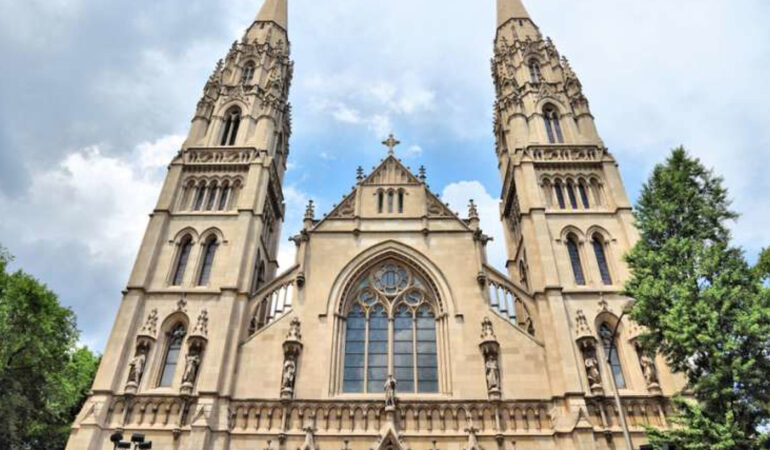

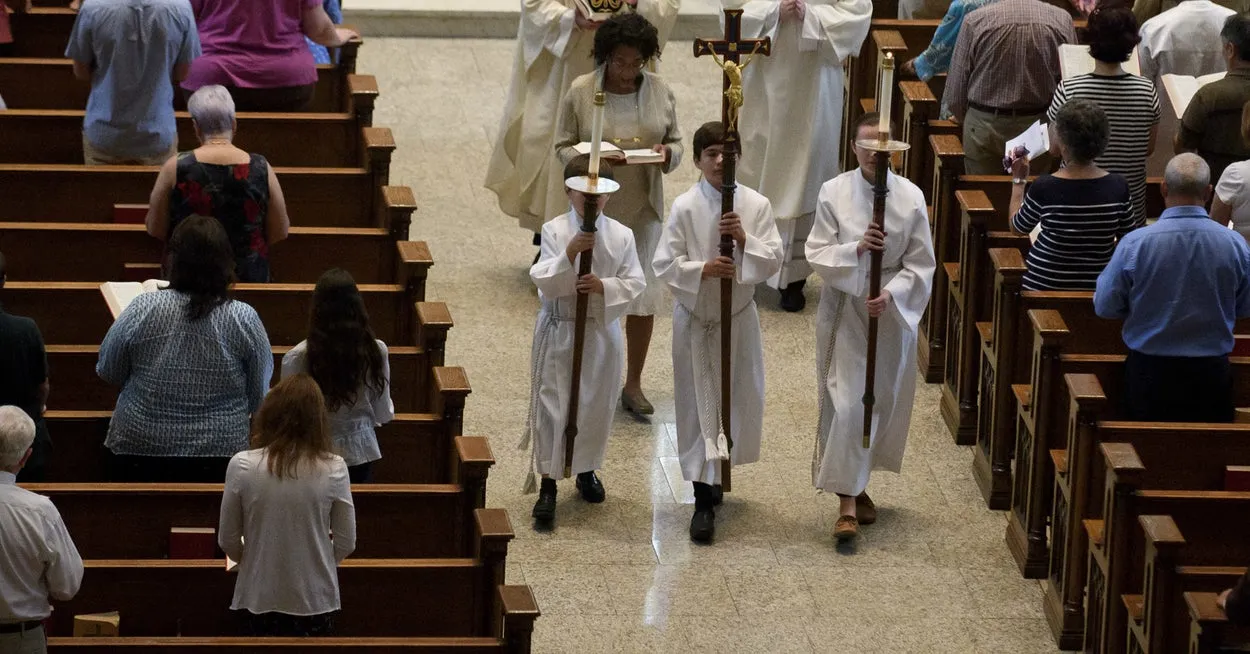
The Diocese of Pittsburgh has announced that seven churches within St. Joseph the Worker Parish will permanently close on March 12, citing financial challenges and sustained declines in Mass attendance.
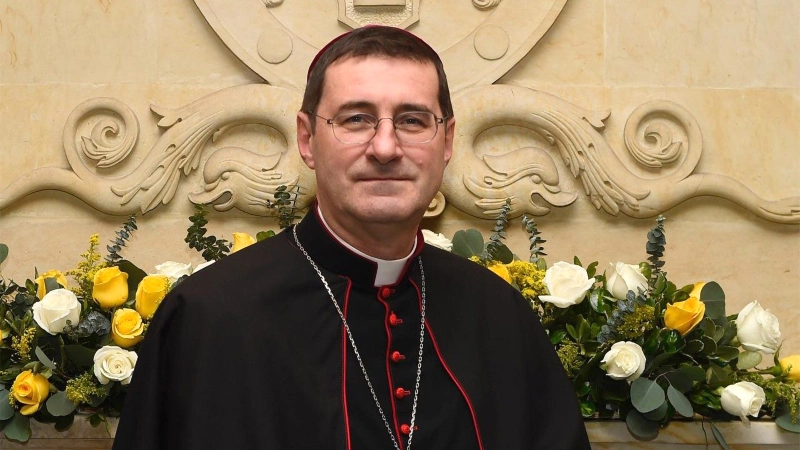
Parishioners were informed of the decision during weekend Masses on February 8, when a letter from Bishop Mark A. Eckman was read aloud. In the letter, the bishop explained that St. Joseph the Worker Parish was created on July 1, 2020, through the merger of seven parishes serving communities in Braddock, Churchill, Forest Hills, Swissvale, Turtle Creek, Wilmerding, and nearby areas.
At the time of the merger, eight church buildings continued to operate for worship. Over the past several years, however, attendance patterns and financial realities have led parish leadership to gradually reduce the number of active sites. Following a yearlong review in 2025 that included consultations with clergy, parish advisory councils, a facilities mission team and parish senate discussions, leaders concluded that maintaining all buildings was no longer sustainable.
Feedback from parishioners was gathered through meetings, written correspondence, and phone messages. According to diocesan officials, many members acknowledged the financial strain and recognized the need for structural adjustments to ensure the long term stability of parish ministries.
Father Michael Stumpf, pastor of St. Joseph the Worker Parish, along with parish leadership, formally petitioned Bishop Eckman to close seven church buildings. The affected churches are Good Shepherd, Madonna del Castello, Sacred Heart, St. Anselm, St. Colman, St. John Fisher, and St. Jude the Apostle.
After consulting diocesan officials in November 2025, Bishop Eckman issued decrees approving the closures. St. Maurice Church in Forest Hills will remain open and serve as the sole worship site for the parish moving forward.
In his message, Bishop Eckman acknowledged the emotional weight of the decision. He recognized that parishioners have invested years of faith, service, and community life in the closing churches. He emphasized that the restructuring aims to better allocate resources so the parish can continue its mission of spiritual and charitable outreach in the region.
The bishop encouraged the faithful to view the changes through the lens of hope, describing the process as a period of renewal rather than decline. He stressed that consolidating worship sites will allow the parish to focus more effectively on both spiritual formation and works of mercy in the communities it serves.
The closures reflect broader trends within the Diocese of Pittsburgh, where demographic shifts and financial pressures have prompted previous parish mergers and consolidations. Diocesan leaders say the goal remains to sustain vibrant parish life while adapting to changing circumstances across western Pennsylvania.