



Pope Leo XIV Calls for Repentance in a World Marked by War and Injustice
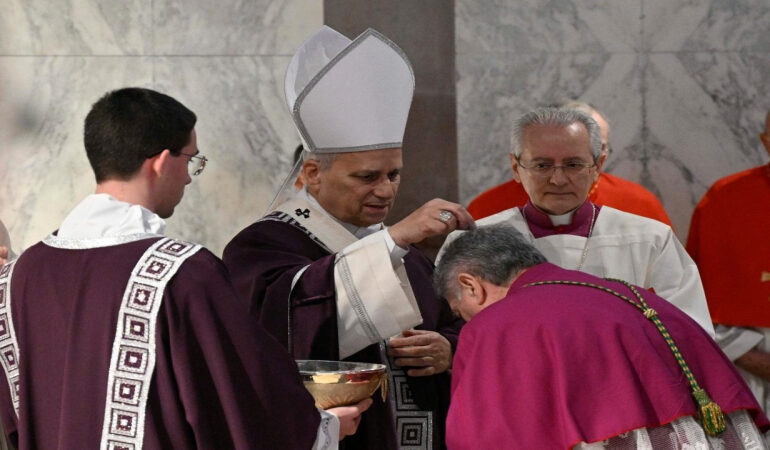

During his Ash Wednesday homily at the Basilica of Saint Sabina, Pope Leo XIV offered a stark reflection on personal sin and collective responsibility in a world he described as in flames. His words set the tone for the beginning of Lent, urging Christians not only to acknowledge individual faults but also to confront the broader structures that perpetuate injustice and suffering.
The Pope observed how rare it has become for individuals, institutions and even entire systems to admit wrongdoing. In a culture often inclined to shift blame or identify external enemies, he called for a courageous acceptance of responsibility. Lent, he reminded the faithful, is not merely a private spiritual exercise but a communal journey of conversion. The Church exists as a community of witnesses who recognize their sins and seek renewal.
While sin is always personal, Pope Leo XIV emphasized that it also takes shape within social, economic and political realities. Drawing on the Church’s social teaching, he pointed to the existence of what has been described as structures of sin. These include systems that generate deep inequality, perpetuate injustice or prioritize profit over human dignity. Such realities are not abstract. They are lived daily in economic imbalances, in conflicts fueled by the global arms trade and in policies that fail to protect the vulnerable.
The ashes imposed at the beginning of Lent symbolize mortality and repentance, but they also carry a collective weight. The Pope invited believers to reflect on the destruction caused by war, the erosion of international law and the damage inflicted on ecosystems. Cities reduced to rubble, displaced populations and fractured communities stand as visible signs of a world struggling with violence and division.
His homily referenced ongoing global conflicts, including the war in Ukraine and the devastation in Gaza. Without entering into political analysis, he raised moral questions about whether enough has been done to pursue peace and negotiated solutions. The call was not partisan but ethical, challenging nations and institutions to examine their conscience in light of the Gospel.
The Pope also drew attention to the plight of migrants who perish in the Mediterranean Sea and to societies where peaceful protest is met with repression. These realities, he suggested, demand more than passive observation. They require an honest assessment of collective responsibility and a willingness to act in solidarity.
Lent, according to Pope Leo XIV, is a time to move beyond complacency. Recognizing sin is not meant to lead to despair but to conversion. The acknowledgment of fault becomes a sign of hope because it opens the possibility of renewal. By accepting responsibility, both personally and communally, Christians are invited to rise from the ashes and participate in rebuilding what has been damaged by injustice and indifference.
In a world marked by conflict and moral confusion, the Pope’s message underscores the enduring relevance of repentance, solidarity and faith as pathways toward restoration.