



Holy See Warns Against Weaponization of Outer Space and Artificial Intelligence

The Holy See has renewed its appeal for global disarmament, warning that outer space and artificial intelligence must not become new frontiers of armed conflict. Speaking at the United Nations Conference on Disarmament in Geneva, Msgr. Daniel Pacho, Undersecretary for the Multilateral Sector of the Secretariat of State, said humanity stands at a critical moment as military spending continues to expand worldwide.
Recalling recent concerns expressed by Pope Leo XIV about a renewed zeal for war, Msgr. Pacho cautioned that diplomacy grounded in force is increasingly replacing dialogue and consensus. He noted that this shift has weakened multilateral efforts aimed at reducing weapons and preventing conflict.
Disarmament, he stressed, is not simply a political objective but a moral imperative. Its purpose is to ensure that weapons are never again used to inflict aggression and suffering. According to the Holy See, authentic peace depends on trust, justice, and legal frameworks rather than on the threat of force. Disarmament contributes directly to integral human development by fostering stability and cooperation among nations.
The Vatican representative reiterated strong opposition to nuclear proliferation, describing nuclear weapons as an existential threat to humanity. He questioned the logic of nuclear deterrence, arguing that it rests on the assumption that international relations should be guided by fear rather than mutual respect. When deterrence replaces diplomatic engagement, he warned, the world risks moving closer to devastation.
In this context, he urged nuclear armed states to engage in sincere negotiations aimed at reducing and ultimately eliminating their arsenals. The Holy See continues to advocate for legally binding agreements that strengthen global security while protecting human dignity.
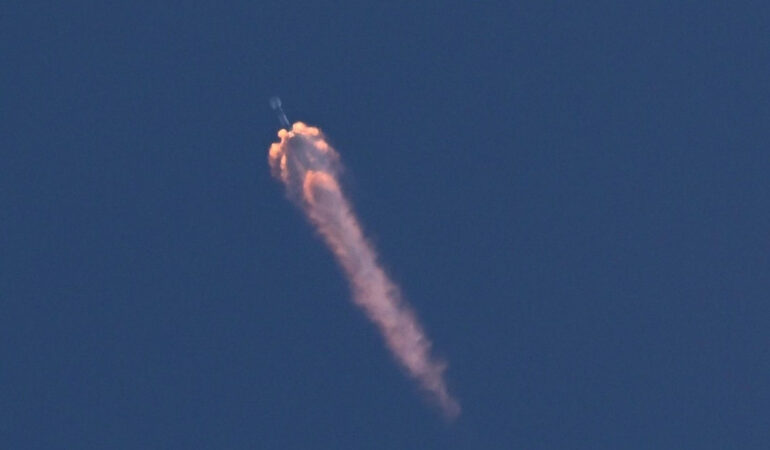
Msgr. Pacho also addressed the growing militarization of outer space. He observed that space is increasingly viewed as a strategic domain for great power rivalry. Without decisive action, he warned, militarization could lead to full weaponization, with severe consequences for current and future generations.
He emphasized that outer space must remain dedicated to peaceful purposes, recalling the principle enshrined in the 1967 Outer Space Treaty that describes space as the common province of all mankind. Preserving space for exploration, communication, and scientific advancement is essential for the common good.
Turning to artificial intelligence, Msgr. Pacho raised concern about the development of autonomous weapons systems. He noted that as AI becomes more integrated into military operations, the risk grows that machines could make life and death decisions without meaningful human oversight. When human moral judgment is removed from the use of force, accountability and ethical responsibility are diminished.
The Holy See called for a moratorium on lethal autonomous weapons and insisted that humans must always retain control over decisions involving the use of force. As global defence budgets rise and technological innovation accelerates, the Vatican urged renewed commitment to verifiable agreements that limit armaments and protect peace.