

A Historical Look at Reform and Accountability in Vatican Administration
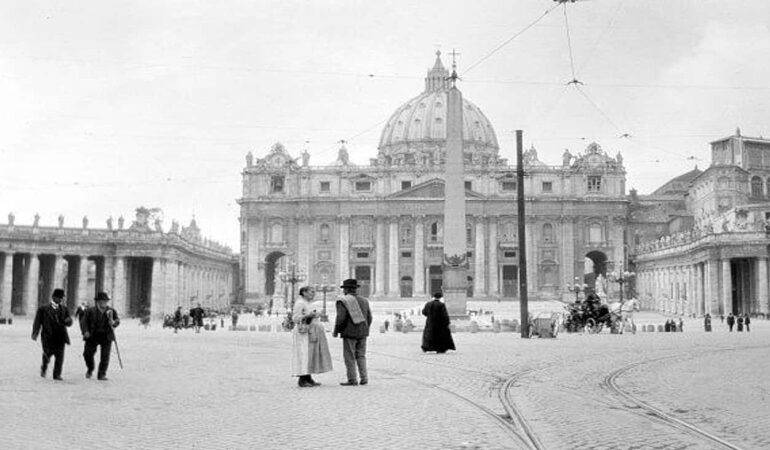

The administration of the Vatican has developed over many centuries in response to the spiritual, diplomatic, and organizational needs of the Catholic Church. As the Church expanded globally, its administrative structures evolved to support pastoral mission, governance, and stewardship. Throughout history, reform and accountability have played an important role in shaping how Vatican administration functions.
Rather than following a fixed model, Vatican administration has adapted to historical circumstances while remaining anchored in tradition. Moments of reform often emerged from the need to clarify authority, improve efficiency, or restore trust. Examining this historical pattern helps explain how accountability became a lasting concern within Vatican governance.
Early Foundations of Vatican Administration
The roots of Vatican administration can be traced to the early centuries of the Church, when leadership structures developed to support the Bishop of Rome in pastoral and organizational responsibilities. As Christianity spread, administrative roles became more defined, particularly in managing communication, resources, and relations with local churches.
During the medieval period, the papal court gradually expanded its administrative functions. Offices responsible for correspondence, legal matters, and financial management emerged to support the growing responsibilities of the papacy. Accountability during this era relied heavily on personal responsibility and hierarchical oversight.
Although structures were less formal than today, early administration reflected an awareness of stewardship. Resources were understood as belonging to the Church’s mission, and their management required moral responsibility. These early foundations set the stage for later reforms.
Reform and Centralization in the Early Modern Period
The early modern period brought significant changes to Vatican administration. As political and religious dynamics shifted in Europe, the papacy sought greater organizational clarity and consistency. Centralization became a means of strengthening governance and addressing administrative challenges.
Reforms during this period focused on standardizing procedures and defining institutional roles. Clearer documentation and record keeping improved oversight. Accountability was increasingly associated with formal processes rather than personal discretion alone.
These reforms aimed to enhance effectiveness while preserving spiritual authority. By strengthening administrative coordination, the Vatican sought to respond more efficiently to internal needs and external pressures.
Accountability in the Nineteenth and Twentieth Centuries
The nineteenth and twentieth centuries marked a period of significant transition for Vatican administration. Social change, political developments, and technological advancement required new approaches to governance. Administrative reform became essential for managing complexity and maintaining credibility.
During this time, accountability increasingly emphasized transparency and institutional responsibility. Administrative bodies were refined, and clearer lines of authority were established. Procedures for financial management and governance oversight became more structured.
The Second Vatican Council represented a pivotal moment in the Church’s understanding of governance. While focused primarily on pastoral renewal, it also encouraged greater collaboration and shared responsibility. This emphasis influenced administrative culture by reinforcing accountability and openness within institutional life.
Modern Approaches to Reform and Oversight
In recent decades, Vatican administration has continued to pursue reform as part of an ongoing process rather than a single event. Modern governance reflects lessons learned from historical experience, emphasizing accountability, clarity, and ethical stewardship.
Contemporary reforms focus on improving oversight mechanisms and aligning administrative practices with widely recognized standards of responsibility. These efforts aim to ensure that governance structures serve the Church’s mission effectively and transparently.
Historical awareness plays an important role in modern reform. By understanding past successes and challenges, Vatican administration seeks to strengthen credibility and trust. Accountability is presented not as a reaction to external pressure but as an integral element of responsible governance.
Continuity and Change in Administrative Tradition
One of the defining characteristics of Vatican administration is the balance between continuity and change. Reform efforts consistently aim to preserve essential traditions while adapting to new realities. This balance reflects a commitment to stability alongside responsible development.
Accountability serves as a bridge between past and present. Historical reforms demonstrate that governance has always required reflection and adjustment. By maintaining continuity in values while refining structures, Vatican administration upholds its institutional identity.
This tradition of reform underscores the understanding that accountability strengthens rather than weakens authority. It ensures that governance remains credible and responsive over time.
Conclusion
A historical look at reform and accountability in Vatican administration reveals a consistent effort to align governance with responsibility and mission. From early foundations to modern reforms, accountability has evolved as an essential feature of administration. This ongoing process reflects the Church’s commitment to ethical stewardship, institutional integrity, and faithful service across generations.