

A Pastoral Pope in a Polarized World: Leo XIV’s Early Global Signals
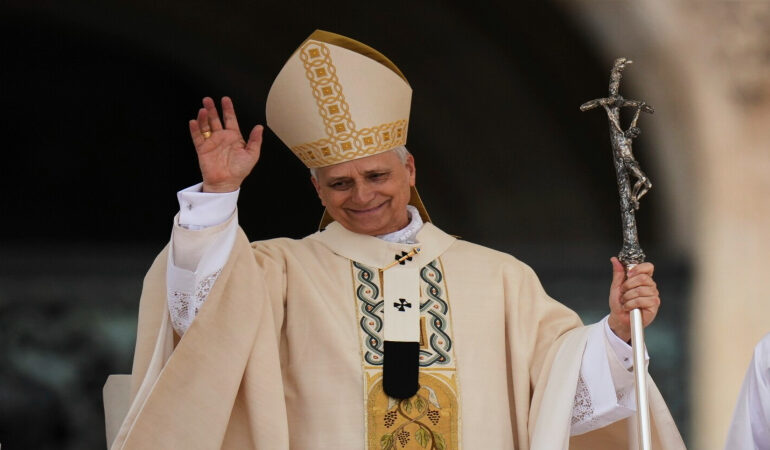

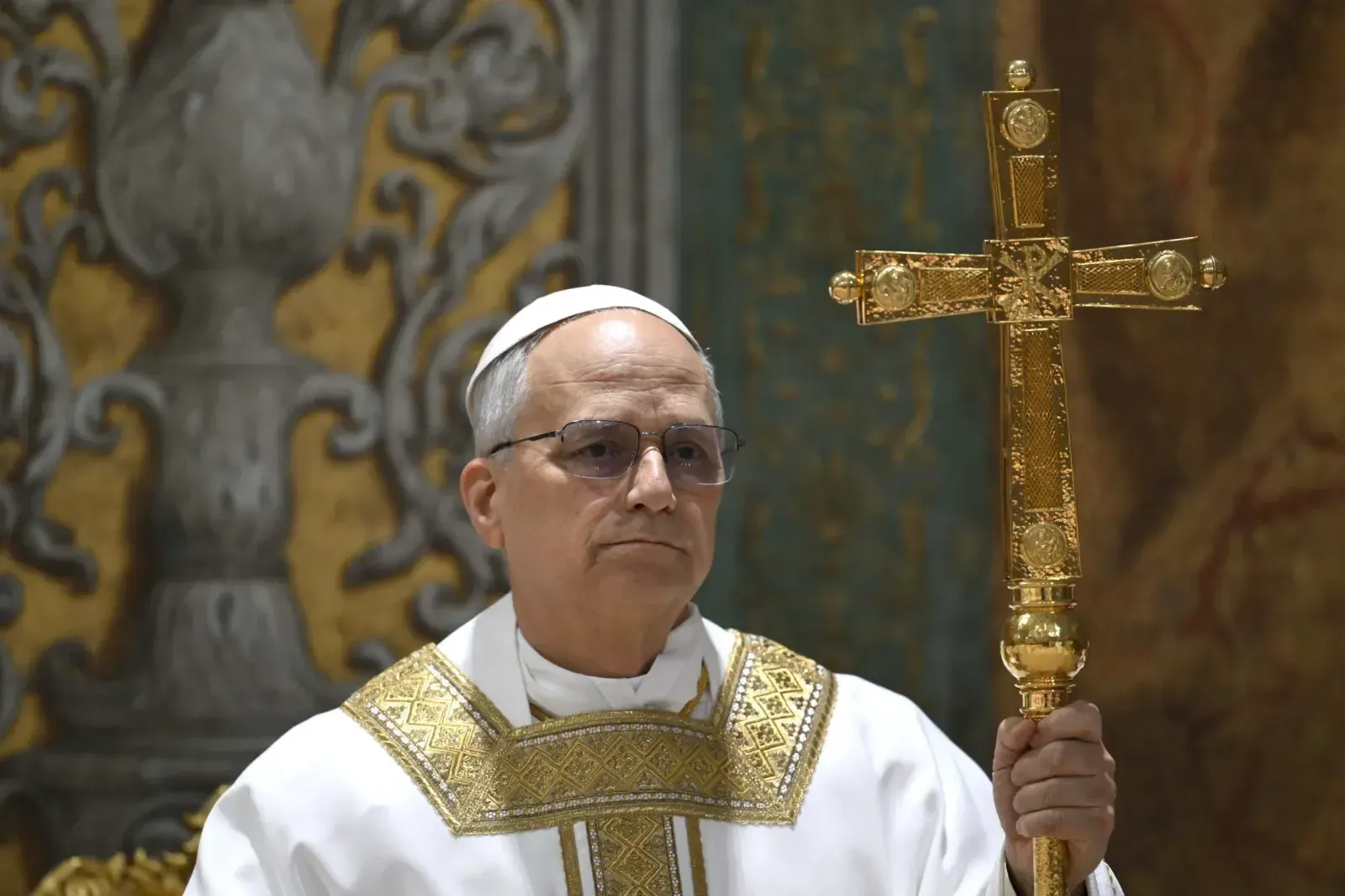
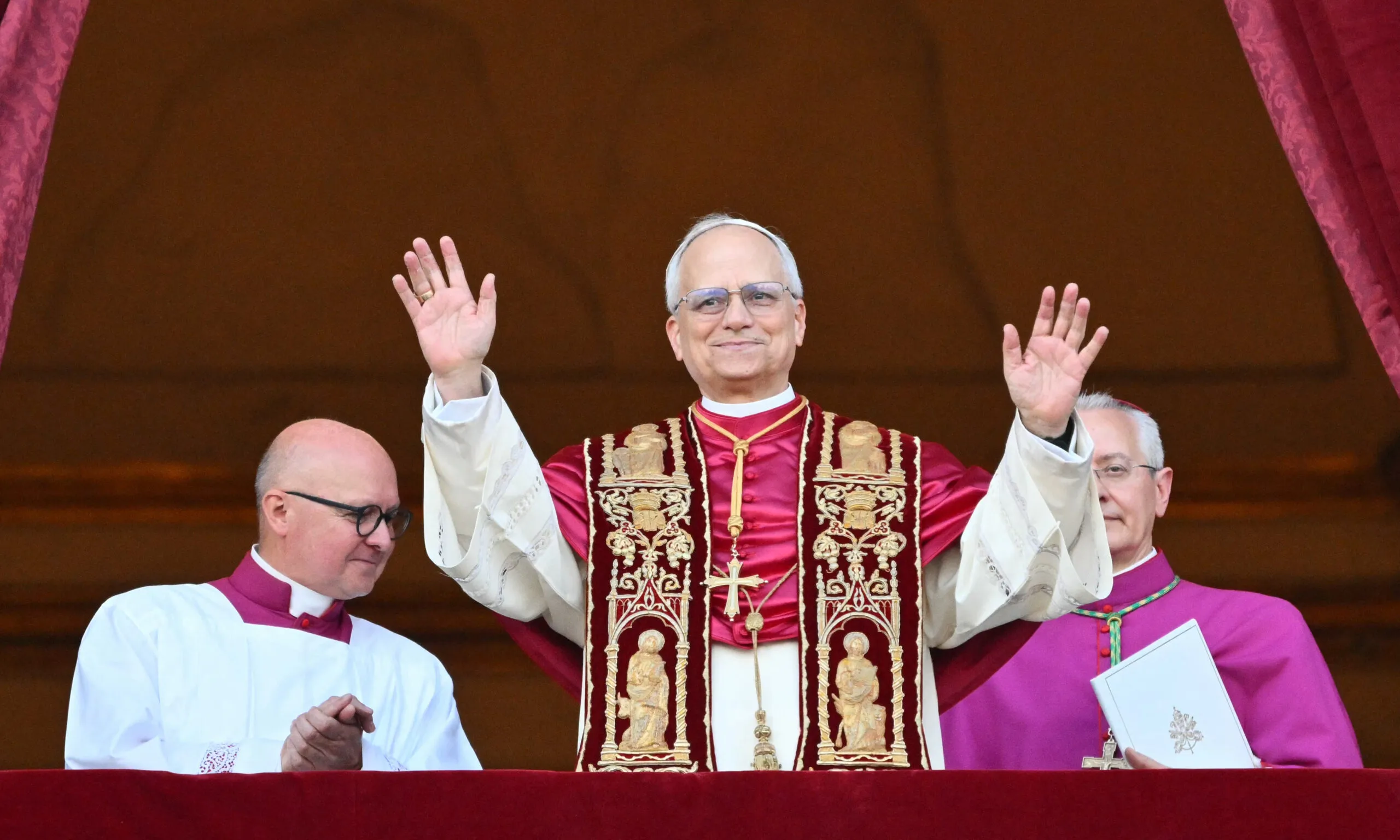
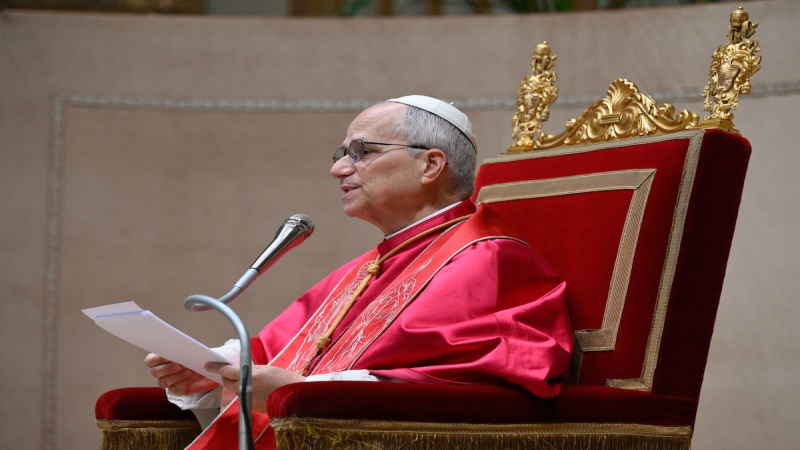
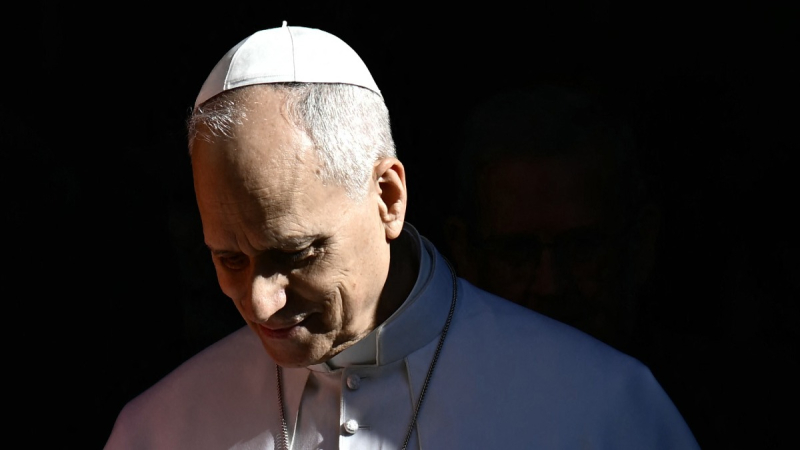
Pope Leo XIV assumed the papacy at a moment of deep polarization, both within societies and across the global Church. Political divisions, cultural fragmentation, and widening mistrust of institutions form the backdrop of his early leadership. Rather than responding with sharp rhetoric or sweeping declarations, the new pope has adopted a pastoral tone that appears deliberate and carefully calibrated.
From his first public gestures and statements, Leo XIV has emphasized listening, restraint, and moral presence over confrontation. These early signals suggest a papacy less interested in amplifying divisions and more focused on restoring a sense of shared purpose. In a world marked by ideological rigidity, his approach offers insight into how pastoral leadership can function on a global scale.
A Pastoral Tone Rooted in Moral Presence
The most immediate signal from Pope Leo XIV has been his consistent emphasis on pastoral responsibility. His language has focused on conscience, accompaniment, and unity rather than debate or political alignment. This tone reflects a view of the papacy as a moral anchor rather than a reactive voice in public conflict.
By framing global challenges through human dignity and ethical responsibility, the pope has avoided reinforcing existing fault lines. This pastoral orientation does not ignore complexity, but it resists simplifying issues into opposing camps. Instead, it invites reflection and dialogue, reinforcing the Church’s role as a space for moral clarity rather than ideological struggle.
Navigating Global Divisions Without Taking Sides
In his early global signals, Pope Leo XIV has demonstrated caution in how the Vatican engages with political polarization. Rather than positioning the Church alongside particular movements or narratives, he has underscored principles that transcend national and partisan boundaries. This includes consistent attention to peace, social responsibility, and the protection of human life.
Such an approach allows the Church to remain present in diverse political environments without becoming absorbed by them. It also preserves the Vatican’s capacity to engage diplomatically across regions marked by conflict or tension. By avoiding alignment, the pope reinforces the Church’s credibility as a moral interlocutor rather than a political actor.
Reaffirming the Church’s Global Pastoral Mission
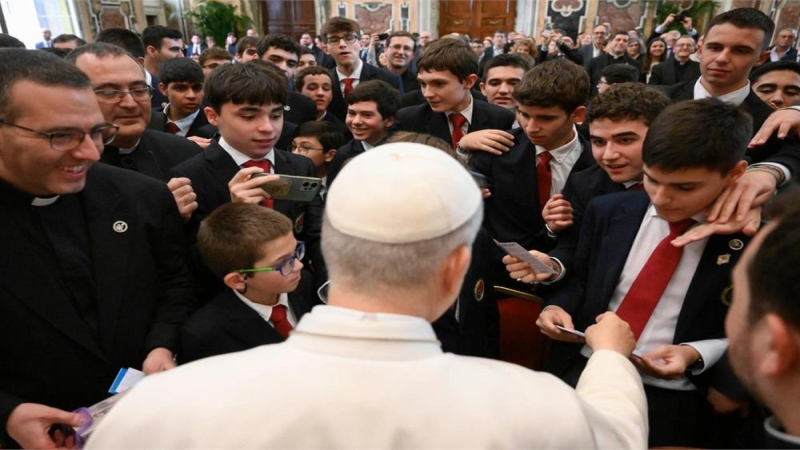
Another early signal from Leo XIV is his focus on the Church’s universal mission. His references to local communities, particularly those facing hardship or marginalization, highlight a pastoral concern that extends beyond Europe or North America. This global awareness reflects the demographic reality of Catholicism today.
By emphasizing pastoral care across cultures and contexts, the pope underscores the importance of unity without uniformity. The Church’s mission, as he presents it, is not to impose a single cultural expression but to accompany people within their own realities. This perspective strengthens the sense of belonging within a diverse global Church.
Leadership Through Restraint and Consistency
Pope Leo XIV’s leadership style has also been defined by restraint. He has avoided frequent public interventions, choosing instead to allow actions and appointments to communicate priorities. This consistency projects stability in an era of constant information and reaction.
Restraint, in this context, becomes a form of authority. By not responding to every controversy, the pope preserves the gravity of his voice. When he does speak, the focus remains pastoral rather than corrective. This measured presence reinforces trust and signals confidence in the Church’s enduring mission.
Conclusion
In a polarized world, Pope Leo XIV’s early global signals point to a papacy shaped by pastoral conviction rather than ideological urgency. Through moral presence, diplomatic restraint, and global awareness, he is positioning the Church as a source of unity and reflection. These early choices suggest that his leadership will seek to heal divisions not by confrontation, but by reaffirming the Church’s pastoral role at the heart of a fractured world.