

Africa Asia and the Church’s Long Term Demographic Reality
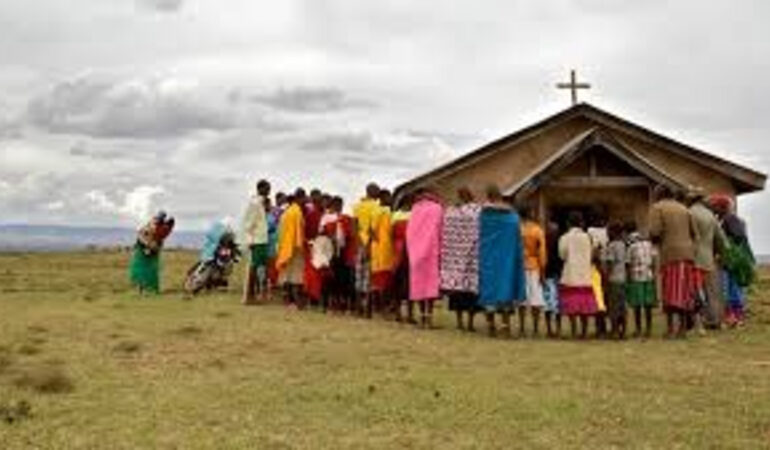

The demographic landscape of the Catholic Church is undergoing a profound transformation. While Europe and North America have historically shaped much of the Church’s institutional life, the future is increasingly being defined elsewhere. Africa and Asia now represent the most dynamic regions of Catholic growth, reshaping how the Church understands mission, leadership, and global identity.
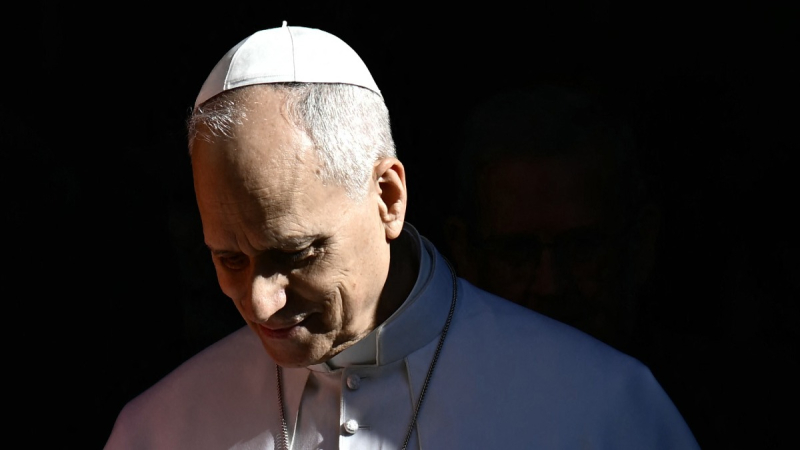
This shift is not temporary or cyclical. It reflects long term population trends, sustained religious participation, and the emergence of younger Catholic communities. Under the leadership of Pope Leo XIV, the Vatican is recognizing that demographic reality must inform pastoral planning and global decision making. The growth of the Church in Africa and Asia is not only numerical but structural, influencing how Catholicism will be lived and led in the decades ahead.
Demographic Growth Is Reshaping the Global Church
Africa and Asia account for a rapidly increasing share of the world’s Catholic population. Higher birth rates, expanding urban communities, and strong religious participation contribute to this growth. In many regions, Catholicism is not inherited passively but practiced actively, with strong parish life and vocational interest.
This demographic momentum has implications beyond numbers. Growing communities require expanded pastoral infrastructure, clergy formation, and theological education. The Vatican increasingly views these regions as central to the Church’s future rather than peripheral missions. Demography is shaping where attention, resources, and long term planning are directed.
Youthful Populations and Vocational Vitality
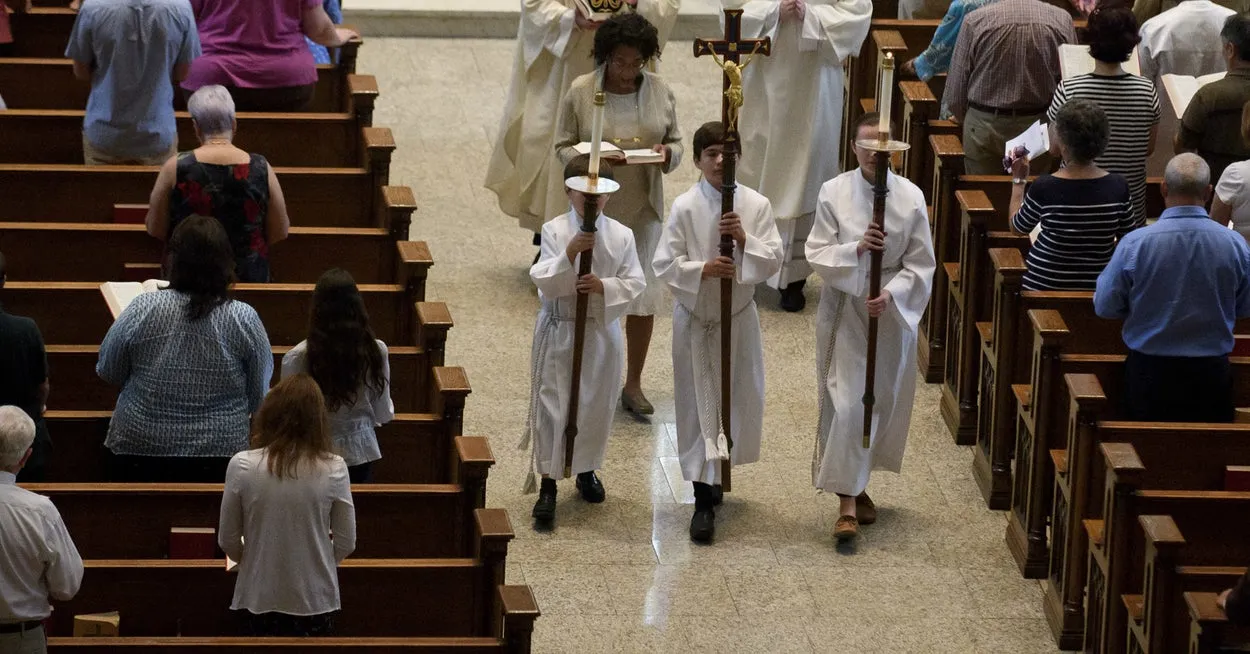
One of the defining features of Catholic growth in Africa and Asia is the presence of younger populations. Parishes are often filled with families and young adults, creating a sense of vitality that contrasts with aging congregations elsewhere. This youthfulness affects how faith is practiced and transmitted.
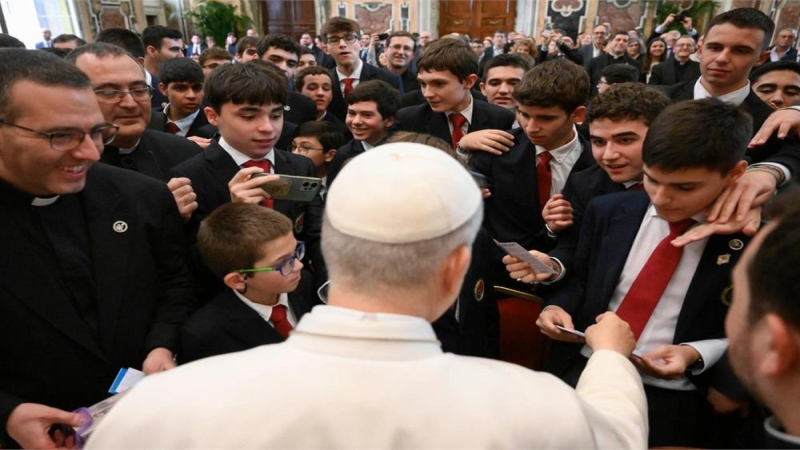
Vocational growth also reflects this demographic reality. Seminaries in several African and Asian countries report strong interest, contributing to a growing presence of clergy from these regions across the global Church. This trend influences leadership development and reinforces the need for formation that integrates local culture with universal teaching.
Cultural Context and the Expression of Faith
As Africa and Asia become more central, the Church is increasingly attentive to how faith is expressed within diverse cultural contexts. Catholic life in these regions often exists alongside other religious traditions, shaping pastoral sensitivity and dialogue. The Church’s demographic future is therefore not culturally uniform.
This diversity challenges simplistic models of global Catholicism. The Vatican recognizes that unity must be sustained through doctrine while allowing cultural expression to flourish. Demographic reality reinforces the importance of listening to how faith is lived on the ground, rather than assuming one dominant experience defines the Church.
Implications for Global Leadership and Governance
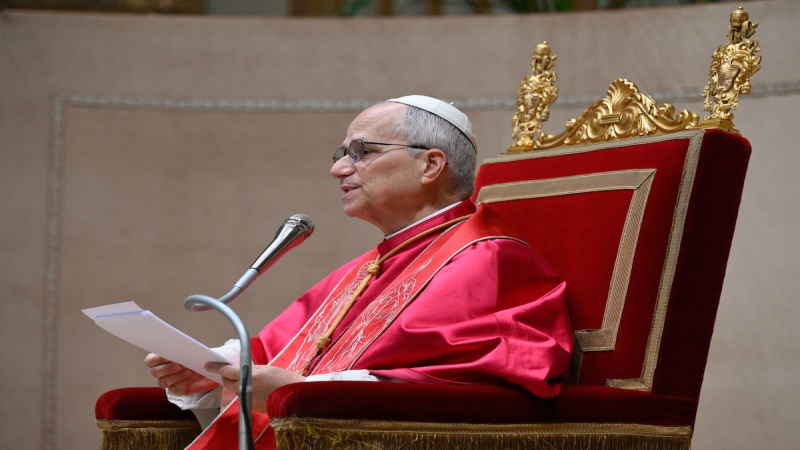
The long term demographic shift also influences leadership and governance. As Catholic populations grow in Africa and Asia, their representation within global Church structures naturally increases. Bishops, theologians, and pastoral leaders from these regions bring perspectives shaped by different social and cultural realities.
This broader representation strengthens the Church’s universality. It ensures that global decisions are informed by lived experience across continents. While Rome remains the center of communion, demographic reality encourages a more integrated and inclusive understanding of leadership within the Church.
A Future Shaped by Demography Rather Than Geography
The Church’s future is increasingly shaped by people rather than place. Africa and Asia are not simply regions of growth but centers of innovation in pastoral life, evangelization, and community formation. Their demographic weight is redefining what global Catholicism looks like in practice.
This reality does not diminish the historical contributions of other regions. Instead, it expands the Church’s self understanding. Demography becomes a lens through which mission, unity, and identity are reconsidered for a changing world.
Conclusion
Africa and Asia represent the Church’s long term demographic reality, shaping its future at every level. Through youthful populations, vocational growth, and vibrant faith communities, these regions are redefining global Catholic life. Under Pope Leo XIV, the Vatican is increasingly attentive to this shift, recognizing that demographic reality must inform pastoral vision and leadership. As the Church moves forward, Africa and Asia will remain central to how Catholicism grows, serves, and understands itself in a global age.