African Bishops Push for Stronger Anti-Corruption Measures in Church Institutions
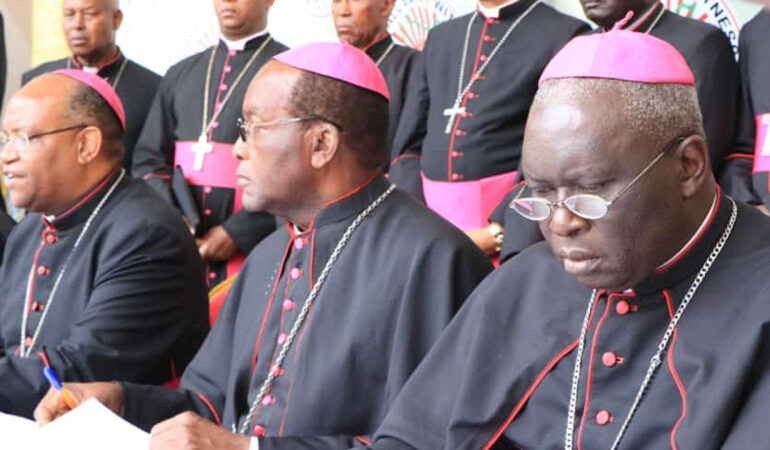

Across several African countries, bishops are calling for strengthened anti-corruption measures within Church institutions, emphasizing the need for transparent administration, responsible financial management, and higher accountability. These appeals reflect broader regional concerns about the impact of corruption on social development, public trust, and institutional credibility. Church leaders highlight that communities expect Catholic institutions to model integrity, particularly in regions where corruption affects public life and economic stability.
The calls for reform come as Catholic communities in Africa continue to grow rapidly, leading to increased responsibilities in education, healthcare, social services, and governance. As resources expand, so does the need for clear oversight structures that prevent misuse and ensure that pastoral and humanitarian missions remain aligned with ethical standards. Bishops stress that strengthening anti-corruption measures is essential not only for institutional integrity but for safeguarding the Church’s witness in society.
Calls for Greater Accountability in Financial and Administrative Practices
The most significant concern raised by African bishops involves the need for more consistent financial oversight. Many leaders are urging dioceses and Church organizations to adopt stricter reporting protocols, modern auditing systems, and transparent accounting practices. These measures aim to prevent irregularities, improve documentation, and ensure that funds are used for their intended purposes.
Bishops also emphasize the importance of regular evaluations of administrative procedures. They argue that accountability depends on clear structures where responsibilities are well defined and decision making is transparent. Strengthening internal governance helps protect the Church’s mission and ensures that resources support communities effectively. This approach echoes broader global efforts within the Church to enhance institutional transparency and reinforce ethical stewardship.
Supporting Ethical Culture Through Formation and Leadership Training
A key aspect of anti-corruption work involves formation. Bishops are encouraging the expansion of training programs for clergy, religious, and lay administrators focused on ethical leadership, financial literacy, and responsible management. They highlight that strong ethical culture begins with well-formed leaders who understand both the spiritual and practical dimensions of stewardship.
Formation programs often include modules on ethical decision making, conflict of interest avoidance, and the moral responsibilities associated with administrative roles. The goal is to foster a culture in which integrity is actively practiced and reinforced across all levels of Church life. Leaders who receive ongoing formation are better equipped to identify risks and promote standards that reflect Catholic teaching.
Collaboration Between Dioceses, Religious Orders, and Civil Experts
The reform efforts also encourage collaboration with civil experts and organizations experienced in governance and financial oversight. Bishops acknowledge that professional guidance can help dioceses implement best practices and adapt systems to local legal and cultural contexts. Working with experts in auditing, compliance, and ethics strengthens institutional capacity and builds trust with local communities.
Cooperation between dioceses and religious orders is another important dimension. Sharing resources, training materials, and administrative strategies helps ensure consistency and broad adoption of reforms. This collaborative approach supports transparency across the diverse structures of the Church in Africa and enhances the ability to respond to emerging challenges.
Impact on Community Trust and Social Leadership
Strengthening anti-corruption measures has significant implications for the Church’s role in society. Many African communities look to the Church as a source of moral guidance and social stability. When institutions operate transparently, they reinforce public trust and set an example for ethical governance in broader civic life. In regions where corruption hinders development, the Church’s commitment to integrity encourages similar standards in public and private sectors.
Bishops note that transparency also improves the effectiveness of social programs. When resources are managed responsibly, schools, hospitals, and community initiatives can operate more reliably. This stability supports long-term development and strengthens the Church’s mission to serve vulnerable populations.
Conclusion
African bishops are taking active steps to promote stronger anti-corruption measures within Church institutions, emphasizing accountability, ethical formation, collaboration, and transparent administration. These efforts reflect both pastoral responsibility and a commitment to social leadership. By reinforcing integrity in financial and administrative practices, the Church in Africa strengthens its mission and deepens its role as a trusted voice for justice, development, and the common good.