

African Church Mobilizes Against Human Trafficking Ahead of Bakhita Feast
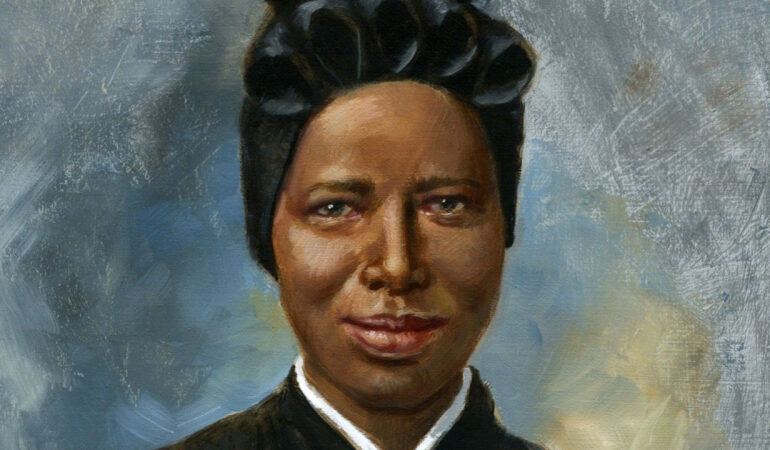

As the February 8 feast of Saint Josephine Bakhita approaches, Catholic voices across Africa are intensifying efforts to confront the persistent scourge of human trafficking. The annual commemoration of the former slave turned religious sister has become a focal point for prayer, advocacy, and action aimed at defending human dignity. Across dioceses and grassroots networks, Church leaders and pastoral workers are framing the fight against trafficking not only as a social obligation but as a moral and spiritual mission rooted in the lived witness of a woman who endured enslavement and emerged as a symbol of resilience and hope. This year’s mobilization reflects growing concern over the evolving methods used by traffickers and the urgent need for coordinated responses that speak directly to young people and vulnerable communities across the continent.
At the center of the initiative is PACTPAN, which has launched what it calls an Army against Trafficking in Persons in Africa. The campaign places a deliberate emphasis on the digital sphere, recognizing that online platforms have become primary tools for traffickers to deceive and recruit victims. False job offers, fabricated travel opportunities, and targeted online grooming are increasingly used to exploit young people seeking education or economic stability. Church leaders involved in the campaign argue that the same digital spaces can be reclaimed for protection and awareness. Through coordinated online outreach, the initiative seeks to share accurate information, promote safe migration practices, and expose recruitment tactics, transforming instruments of harm into channels of prevention and empowerment.
The urgency of the campaign is underscored by the scale of trafficking across Africa, where millions are estimated to live in conditions of modern slavery. The phenomenon thrives amid poverty, unemployment, conflict, and weak justice systems, with exploitation often occurring within national borders rather than abroad. Women and children are disproportionately affected, though men and boys are also vulnerable. Testimonies from pastoral workers across the continent reveal how trafficking networks adapt to local realities, exploiting social inequality and limited economic opportunity. In countries such as Nigeria, trafficking remains deeply entrenched, fueled by unemployment, gender disparity, and insufficient enforcement, while in parts of West Africa and the Sahel, links to organized criminal and extremist groups further complicate the crisis.
Despite these grim realities, the Church’s response is marked by determination and creativity. In several countries, local initiatives combine prevention campaigns with education, economic empowerment, and advocacy for stronger legal protections. Schools, parish programs, and community centers are being used to raise awareness and equip young people with the tools to recognize danger before it turns into exploitation. The figure of Josephine Bakhita continues to inspire these efforts, offering a narrative that speaks across cultures and generations. Her journey from captivity to freedom challenges communities to resist indifference and to stand with those whose suffering remains hidden. As African Catholics prepare to honor her feast, their collective voice sends a clear message that faith must translate into concrete action for freedom and justice.