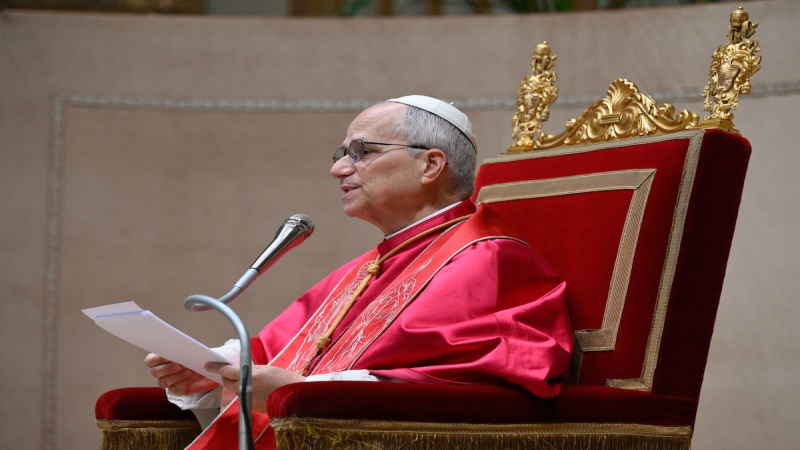

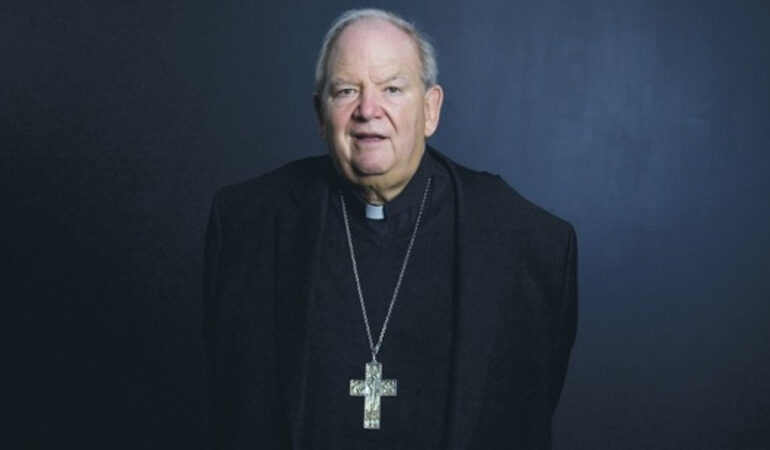

A sense of collective weight has settled over the Twin Cities following the fatal shooting of a civilian by a federal immigration officer, prompting a pastoral appeal for calm, healing, and renewed solidarity. Bernard Hebda described the moment as one of profound heaviness for the local community, marked by fear, anger, and uncertainty. Writing to the faithful, he acknowledged how quickly the incident reverberated across parishes, especially those serving immigrant communities, where Mass attendance has dropped sharply in recent weeks. The archbishop’s reflection did not dwell on competing political narratives surrounding the shooting, but instead centered on the human toll of violence and division. His message framed the event as another rupture in a society already strained by mistrust, urging Catholics to respond not with withdrawal but with presence, prayer, and deliberate acts of support for those most affected.
The shooting occurred while the archbishop was away on retreat, a distance that sharpened rather than dulled his sense of responsibility. He described following developments closely, while lifting up prayers for the victim’s family, for law enforcement, for political leaders, and for protesters tempted toward escalation. Particular concern was expressed for immigrants living in fear and for young people absorbing the emotional fallout of polarized rhetoric. In his reflection, the archbishop highlighted the quiet but demanding role of parish leaders, educators, and ministers who must navigate heightened tensions while continuing daily pastoral care. Their task, he suggested, is not to resolve political conflict but to embody steadiness and compassion, offering spaces where fear can be named without being inflamed and where dignity is not contingent on legal or ideological status.
The impact on parish life has been immediate and concrete. Communities with large immigrant populations have seen significant declines in participation, raising concerns about both pastoral continuity and material sustainability. The archbishop invited Catholics from across the archdiocese to attend Masses in these parishes as a sign of solidarity, framing such gestures as essential to preserving the Church’s mission at the local level. His appeal reflects a broader ecclesial concern that fear driven absence can quietly erode communal bonds, leaving already vulnerable communities further isolated. Rather than calling for statements or demonstrations, he emphasized presence as a form of witness, suggesting that shared worship remains one of the most tangible ways to counter fragmentation and reaffirm belonging.
Alongside this pastoral outreach, the archdiocese has turned to prayer and reflection as tools for healing. A previously scheduled public event on ecclesial wounds took on renewed relevance in light of recent violence, bringing together clergy and laity for worship, reflection, and silence. The archbishop pointed to the providential timing of these moments, linking them to the Church’s liturgical promise of peace even amid delay and waiting. He also asked for prayers for clergy serving abroad in unstable contexts, underscoring how local grief resonates with global uncertainty. In a city struggling to process loss and anger, the archbishop’s message situates healing as a patient work, grounded in restraint, accompaniment, and a refusal to let fear define the future.