




Aid Convoy Reaches Kobane as Ceasefire Holds in Northern Syria
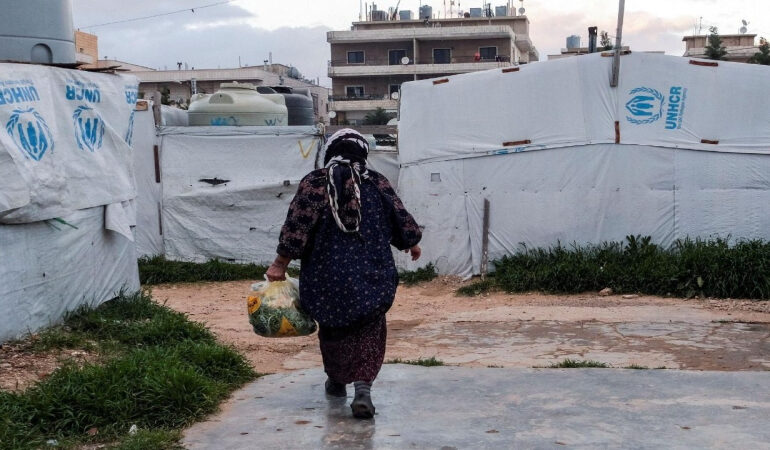

A humanitarian convoy organized by the United Nations has arrived in the Kurdish majority town of Ain al-Arab in northern Syria, as a fragile ceasefire between Syrian government forces and the Kurdish led Syrian Democratic Forces continues to hold. The convoy reached the town, also known as Kobane, amid rising concern over humanitarian conditions following weeks of restricted access and military pressure around the area. Aid officials said the delivery included essential food and medical supplies intended to stabilize conditions for civilians who have faced shortages during periods of encirclement. Ain al-Arab has remained a strategically sensitive location due to its proximity to multiple front lines and shifting control dynamics. The arrival of assistance was described as a critical step in preventing further deterioration, though international agencies cautioned that sustained access will be required to meet ongoing civilian needs.
The aid delivery coincided with renewed but limited humanitarian access to Al Hol camp in northeastern Syria, one of the region’s largest displacement sites. Agencies reported that days of disruption caused by security instability had delayed assistance, leaving tens of thousands of residents in vulnerable conditions. The camp is home primarily to women and children, many with family links to suspected former Islamic State fighters, and has long been cited by humanitarian groups as severely overcrowded. According to aid officials, access was restored through coordination with Syrian authorities, allowing essential supplies such as food, water, and medical items to resume. Humanitarian workers stressed that the situation inside the camp remains precarious, with persistent challenges related to healthcare availability, sanitation, and protection for residents.
The United Nations High Commissioner for Refugees confirmed that its teams were able to enter Al Hol and reestablish contact with some residents after a period of heightened security risk. Officials said the resumption of access allowed for the assessment of urgent needs and the delivery of core relief items. Humanitarian agencies reiterated longstanding warnings that prolonged displacement under such conditions poses serious risks, particularly for children. They renewed calls for durable solutions, including safe and voluntary returns, reintegration, and repatriation where possible, in accordance with international law. Aid partners also emphasized the importance of maintaining safe corridors for humanitarian personnel operating in volatile areas of northeastern Syria.
International agencies further highlighted logistical challenges affecting aid operations across the region, including restrictions on movement between key administrative centers such as Al Hasakeh and Qamishli. They urged all parties to facilitate the passage of humanitarian workers and supplies to ensure continuity of assistance. While the ceasefire around Ain al-Arab has so far reduced immediate hostilities, aid officials cautioned that the situation remains fluid and subject to rapid change. The convoy’s arrival was described as a positive but limited development within a broader humanitarian emergency, underscoring the continued dependence of civilian populations on international relief amid unresolved conflict dynamics.