




Algorithmic Hiring Disputes Renew Global Debate on Human Dignity and Ethical Decision Systems
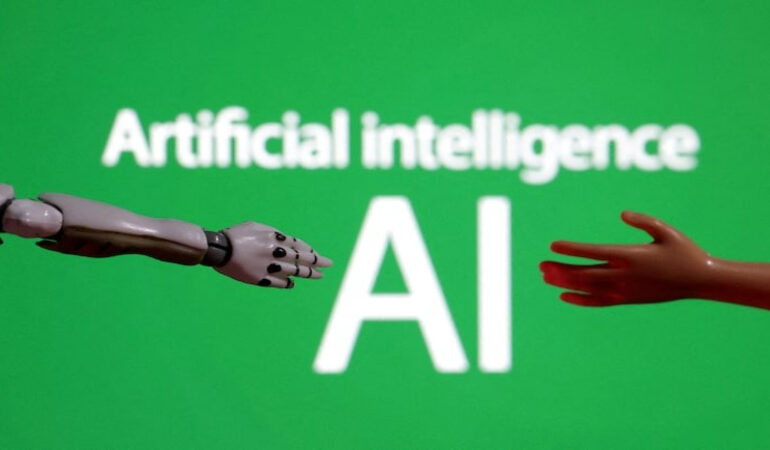

The rapid expansion of artificial intelligence in employment screening has sparked a new wave of disputes that reach beyond traditional legal questions, raising concerns about human dignity, civil rights and the ethical design of digital systems. Recent conflicts involving automated hiring platforms illustrate a developing tension between technological efficiency and the values that guide fair treatment in the workplace. As job applicants increasingly find their first point of contact to be an algorithm rather than a recruiter, questions about accountability, transparency and discrimination have become central. Cases alleging biased outcomes reveal how easily data patterns can substitute for real human understanding. These disputes have encouraged mediators, lawyers and ethicists to reevaluate how resolution processes should adapt to the realities of digital systems that shape decisions affecting livelihoods. With AI tools now influencing career opportunities across industries, the ethical implications extend into a global conversation about the responsibilities inherent in designing and deploying systems that profoundly affect the lives of ordinary people.
At the center of the ethical debate is the growing recognition that algorithmic decisions are created through complex interactions between code, datasets and institutional choices. When a system appears to disadvantage a candidate, the underlying causes may be difficult to trace, especially when models rely on patterns that unintentionally correlate with protected characteristics. This complexity makes dispute resolution challenging, as parties may approach the same terms with very different interpretations. What an engineer views as accuracy may not correspond to what a claimant understands as fairness, and mediators must navigate this gap with sensitivity and precision. The issue also carries weight for institutions that emphasize the protection of human dignity. The involvement of religious and philosophical voices, particularly scholars examining the ethics of technology, has added a dimension of reflection focused on preserving the human core in digital decision making. The concern is not only about compliance, but about how societies choose to shape systems that should honor the value of every individual.
As more of these cases enter negotiation and litigation, the tension between private settlement and public accountability has grown. Some advocates argue that because algorithmic discrimination affects communities beyond the immediate parties, public rulings are necessary to clarify obligations and protect collective rights. Others maintain that mediation can produce faster and more constructive outcomes, especially when specialists can guide parties to understand the underlying mechanisms of the disputed systems. In either setting, the disputes signal a transitional moment in global employment practices. They highlight the need for technological development that aligns with ethical frameworks rooted in justice, respect and transparency. While automation promises efficiency, it also demands vigilance to ensure that digital tools do not erode the principles that safeguard the dignity of human work. The discussion surrounding these disputes reflects a broader call for systems that are technologically advanced yet grounded in moral responsibility.