
American Catholics Navigate Faith, Identity, and Civic Life in a Polarized Election Era
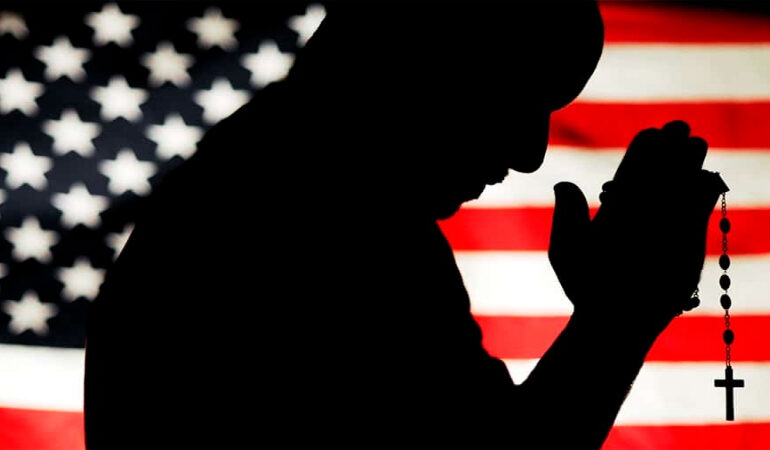

American Catholics are entering another election season amid deep political polarization and cultural uncertainty. For many believers, the challenge is not simply deciding how to vote, but how to live their faith authentically in a public square marked by division and distrust. Parish life, family formation, and community engagement have become key spaces where faith and civic responsibility intersect.
Rather than retreating from public life, many Catholics are seeking ways to integrate moral teaching with respectful participation in democracy. This effort reflects a broader desire to move beyond partisan labels and recover a sense of conscience rooted in faith. The Church’s presence in American society continues to shape how believers understand citizenship, responsibility, and the common good.
Faith Formation in a Divided Public Square
Parishes across the United States are increasingly focused on helping Catholics form their consciences amid competing political narratives. Homilies, adult education programs, and small group discussions often emphasize principles such as human dignity, solidarity, and care for the vulnerable. These foundational teachings provide guidance without directing believers toward specific political choices.
This approach recognizes that faithful citizenship begins with formation rather than slogans. By grounding civic engagement in prayer and reflection, parishes encourage Catholics to engage thoughtfully rather than reactively. Such formation helps believers navigate complex issues without allowing political identity to overshadow spiritual identity.
Parish Life as a Space for Dialogue
In an era when public discourse is often marked by hostility, parish communities can serve as rare spaces for respectful dialogue. Many Catholics worship alongside neighbors with differing political views, creating opportunities for encounter rooted in shared faith. This shared spiritual foundation can soften divisions that dominate broader society.
Parish initiatives that encourage listening and mutual respect play an important role in maintaining unity. When Catholics engage one another as members of the same body of faith, political differences become secondary. This dynamic reinforces the idea that communion in faith is stronger than ideological disagreement.
Balancing Civic Duty and Moral Witness
American Catholics often wrestle with how to balance civic participation with moral witness. Voting, advocacy, and public service are seen as important expressions of responsibility, yet many believers are cautious about aligning too closely with any political movement. This tension reflects a desire to remain faithful to Church teaching while engaging constructively in public life.
The emphasis on moral principles rather than party platforms allows Catholics to approach civic life with integrity. By focusing on issues such as life, justice, and care for the marginalized, believers can participate without compromising their faith. This balance helps maintain credibility both within the Church and in the wider society.
Identity, Belonging, and the Next Generation
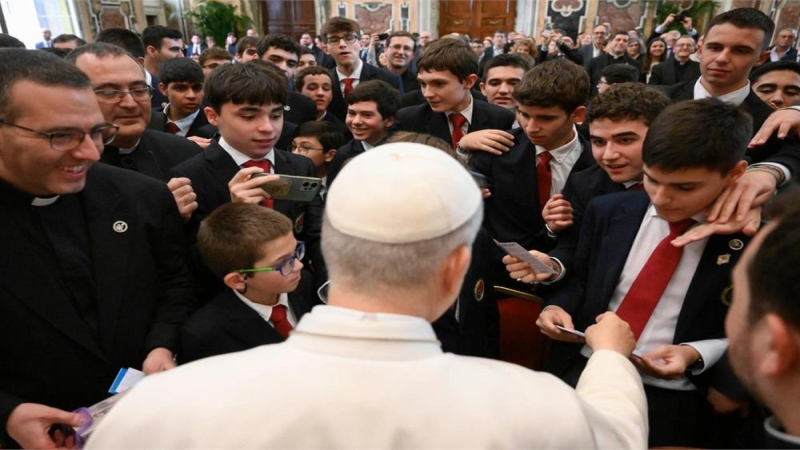
Younger Catholics are navigating questions of identity in a cultural environment that often challenges religious belief. For many, parish communities provide a sense of belonging that extends beyond politics. Faith based service, social outreach, and communal worship help anchor identity in something deeper than electoral cycles.
As families and parishes invest in formation, they shape how the next generation understands civic life. The goal is not withdrawal, but engagement marked by humility and respect. This long term perspective may prove essential for sustaining Catholic presence in American public life.
Conclusion
In a polarized election era, American Catholics continue to seek a path that honors both faith and civic responsibility. Through parish life, moral formation, and respectful engagement, believers are working to navigate political division without losing their spiritual center. This quiet commitment to conscience and community reflects a distinctive Catholic approach to life in a divided society.