

Analysis Reviews Diplomatic Outreach Through Economic Channels


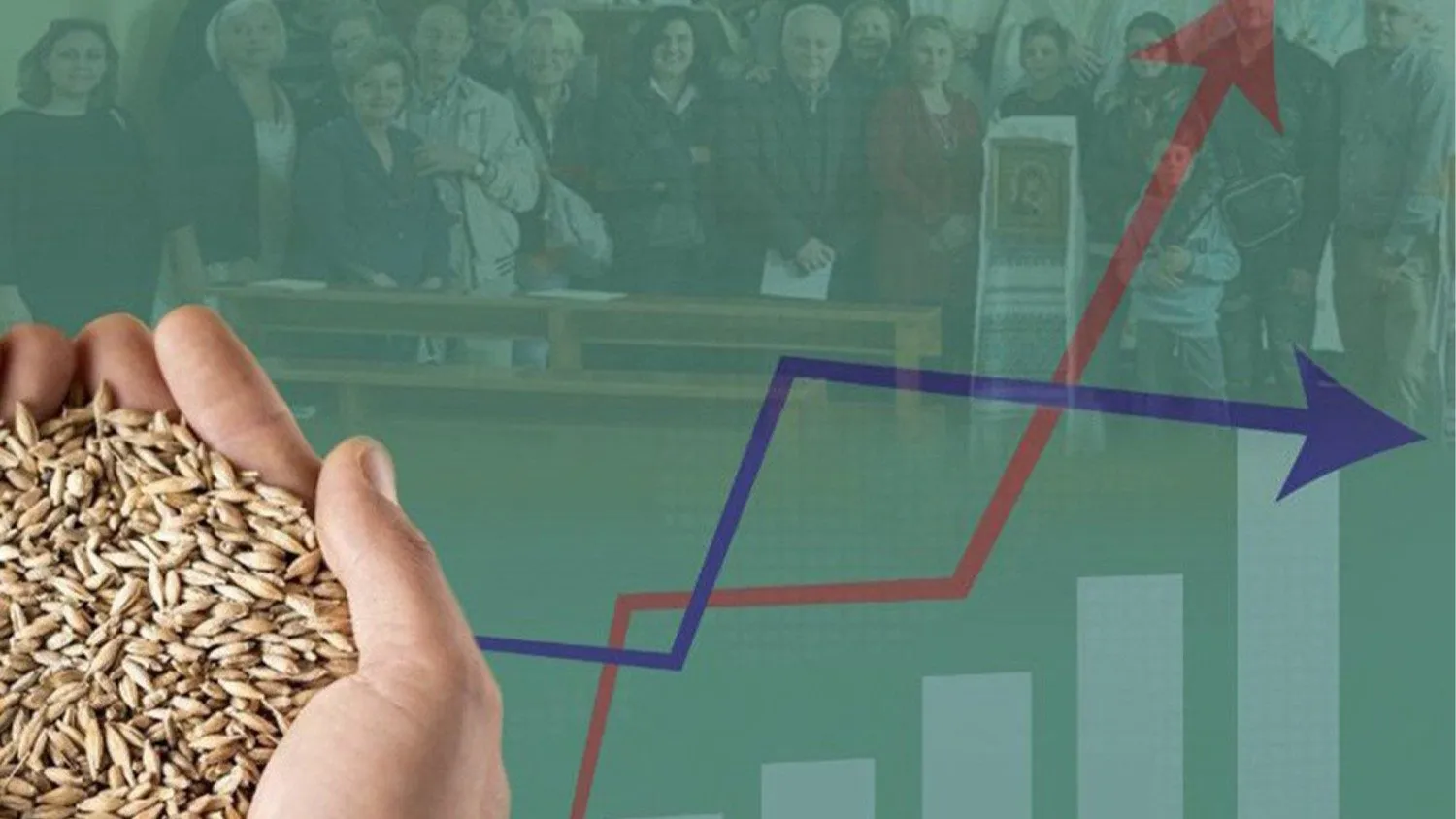
The Vatican has long played a unique role in international diplomacy, using its moral authority and global presence to influence discussions on peace, justice, and humanitarian cooperation. In recent years, analysts have begun examining how economic channels support these diplomatic efforts. Financial strategy and international outreach increasingly intersect as the Vatican participates in global conversations about development, ethical finance, and socially responsible investment. This emerging field reveals how the Church uses economic tools to strengthen diplomatic relationships and contribute to global stability.
Economic outreach is not limited to financial transactions. It includes partnerships with international organizations, dialogue with governments, and participation in initiatives that promote sustainable development. As global conditions change rapidly, the Vatican’s diplomatic approach requires greater coordination between financial administration and international engagement. Observers note that these strategies combine traditional diplomacy with modern financial considerations, creating a multifaceted model of global influence.
Economic Diplomacy as a Strategic Framework
Economic diplomacy has become an important part of the Vatican’s international presence. Analysts studying this trend point to the growing importance of financial cooperation in addressing global challenges such as poverty, migration, and environmental instability. Through economic engagement, the Vatican supports peacebuilding efforts, encourages ethical development, and fosters dialogue between nations facing shared concerns.
This strategic framework also helps the Vatican communicate its values in a practical way. By participating in economic initiatives that promote fairness, sustainability, and human dignity, the Church demonstrates how moral principles can shape global policy. Economic diplomacy allows Vatican representatives to advocate for vulnerable communities while reinforcing the Church’s message on justice and responsibility.
Supporting Cooperative Development Projects
One of the clearest examples of economic diplomacy involves cooperation on international development projects. These initiatives often focus on education, healthcare, food security, and social welfare. By supporting these programs, the Vatican fosters stronger relationships with countries seeking assistance and guidance. Collaborative development also highlights the Church’s commitment to addressing urgent global issues with structured, mission driven solutions.
The Vatican often works with governmental agencies, interfaith organizations, and humanitarian networks to ensure that development projects are effective and ethically grounded. These partnerships expand the Church’s diplomatic reach while providing practical support to regions in need. Analysts note that such cooperation enhances the Vatican’s credibility as both a moral and strategic actor on the global stage.
Ethical Finance and Policy Dialogue
Ethical finance has become a central theme in discussions between Vatican representatives and international policymakers. Topics such as environmental responsibility, labor rights, sustainable investment, and economic fairness play a significant role in modern diplomacy. By promoting ethical financial principles, the Vatican encourages governments and institutions to adopt policies that support human dignity and protect the environment.
This type of engagement allows the Vatican to influence global financial discussions without relying on traditional political power. Instead, it draws on moral authority and long standing teachings related to justice and stewardship. Policymakers often value this perspective, viewing the Vatican as a unique contributor to international debates on responsible economic development.
Strengthening Global Relationships Through Financial Transparency
Financial transparency has also become an important tool for diplomatic credibility. As the Vatican implements reforms to improve oversight, international partners gain greater confidence in its administrative practices. Transparent documentation, updated reporting standards, and responsible management help build trust with other nations. This trust supports long term cooperation in diplomatic, humanitarian, and financial initiatives.
By prioritizing transparency, the Vatican demonstrates a commitment to accountability that enhances its standing in international affairs. Observers highlight that transparency not only strengthens internal governance but also reinforces the Vatican’s diplomatic influence by showing that its economic engagement is guided by clear principles and responsible stewardship.
Conclusion
Economic channels play a growing role in the Vatican’s diplomatic outreach. Through development partnerships, ethical finance discussions, and increased transparency, the Church strengthens its contribution to global cooperation. These efforts show how moral principles and financial strategy can work together to support peace, justice, and responsible development in an interconnected world.