


Ancient Jordan Church Reopens Window on Early Christian Life
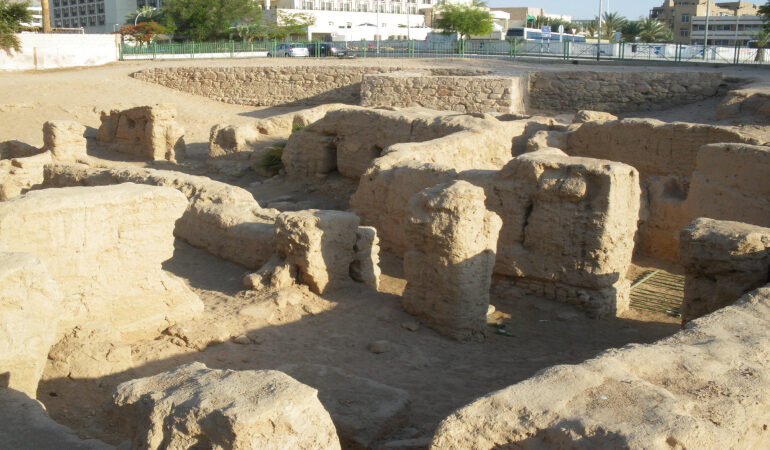

An archaeological church in the Jordanian port city of Aqaba has reopened to visitors, drawing renewed attention to one of the earliest known purpose built Christian worship spaces in the world. Dating to the late third or early fourth century, the structure predates Christianity’s legalization under the Roman Empire and offers rare insight into organized Christian life before imperial recognition. Discovered in 1998 during excavations led by archaeologist Thomas Parker, the site challenges long held assumptions that early Christians worshipped exclusively in private homes until the time of Constantine. The church’s basilica style layout, including a central nave, side aisles, and an eastern apse, suggests a community confident enough to construct a dedicated place of worship despite periodic persecution. For historians, the building stands as tangible evidence of a settled and structured Christian presence in the region known in antiquity as Aila.
Archaeological findings at the site further support its early dating and communal function. Preserved stone walls, glass oil lamps, pottery fragments, and Roman coins have helped scholars situate the church’s construction between approximately AD 293 and 303. Nearby excavations uncovered a cemetery believed to belong to the same Christian community, including small metal objects interpreted as components of a bronze cross. These elements point to shared burial practices and established religious symbols at a time when Christian identity was still emerging under social and political pressure. The scale and permanence of the structure indicate that the community was neither transient nor marginal, but integrated into the commercial and cultural life of the Red Sea port. Aqaba’s position as a crossroads of trade appears to have facilitated the spread and endurance of early Christian belief well before doctrinal consolidation in the fourth century.
Jordanian authorities have presented the reopening of the site as both an archaeological milestone and a reflection of the country’s long history of religious plurality. By highlighting the Aqaba church as part of the broader Christian heritage of the Middle East, officials aim to situate Jordan within the formative narrative of global Christianity. The site’s public accessibility allows visitors to encounter a period of Christian life shaped by vulnerability, resilience, and quiet continuity rather than imperial power. For contemporary observers, the church offers a reminder that Christian communities existed and flourished on the margins of empire, forming liturgical and social structures that endured despite uncertainty. In a region often discussed only through the lens of modern conflict, the Aqaba church reintroduces a deeper historical perspective, one in which faith took root early and left traces that continue to speak across centuries.