

Anglican Catholic Relations Face New Test After Historic Appointment of Archbishop of Canterbury
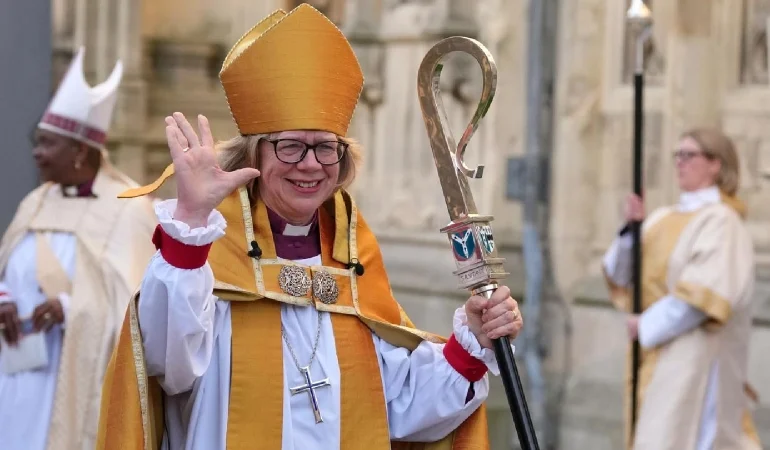

The relationship between the Catholic Church and the Anglican Communion may be entering a critical phase in 2026 following the historic appointment of Sarah Mullally as Archbishop of Canterbury, the first woman to hold the role. While the occasion was marked by gestures of goodwill and ecumenical engagement, underlying tensions suggest that long standing theological differences could come into sharper focus. The development is being closely observed within Church circles as a moment that could redefine the direction of Anglican Catholic dialogue after decades of gradual progress and cautious cooperation.
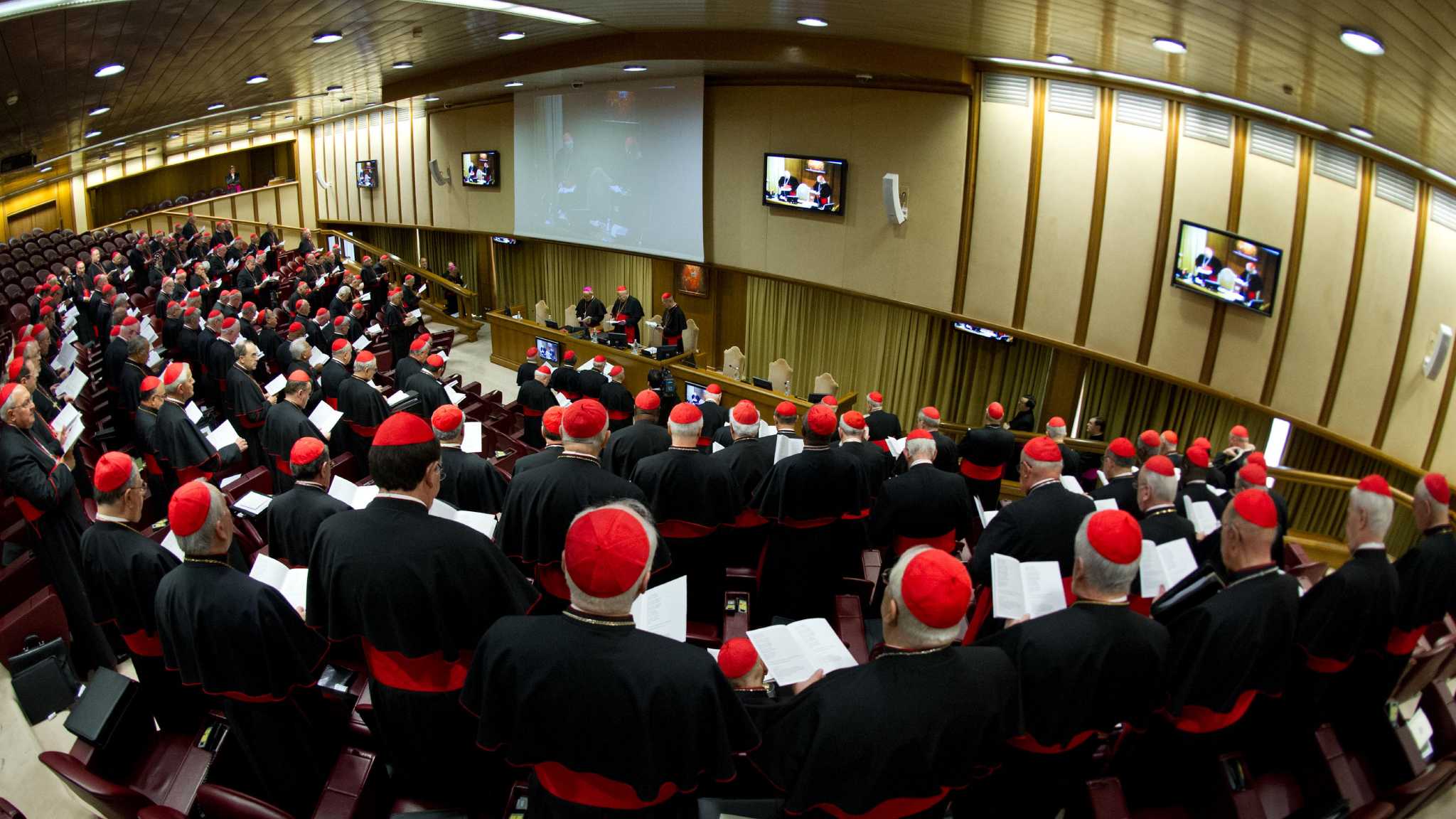
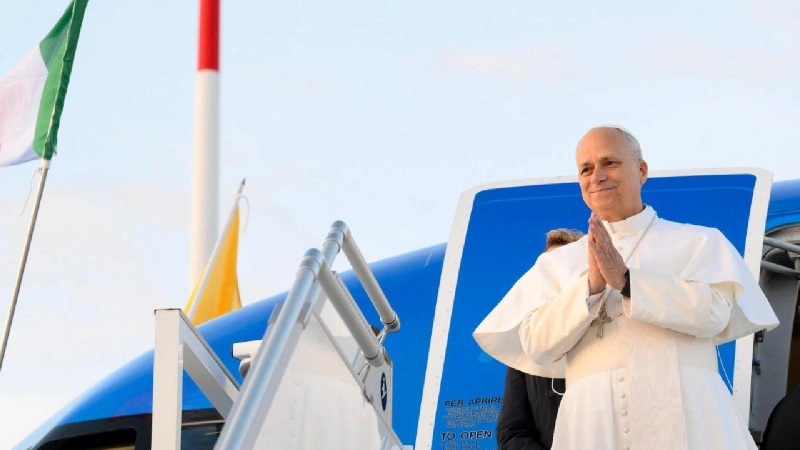
The installation ceremony in Canterbury drew significant international attention and included participation from Catholic representatives, reflecting a continued commitment to dialogue between the two traditions. Among those present was Archbishop Richard Moth of Westminster, symbolizing ongoing engagement at the highest levels. Shortly after the ceremony, Mullally joined Cardinal Kurt Koch, who leads the Vatican’s efforts in promoting Christian unity, for a shared prayer service. The gathering also commemorated the sixtieth anniversary of a historic agreement that marked a turning point in modern ecumenical relations between the two Churches.
Despite these visible signs of unity, the appointment has also reignited debates around theological and ecclesial differences that have long complicated relations between Rome and Canterbury. The question of women’s leadership within the Church remains a central point of divergence, as the Catholic Church maintains a different doctrinal position on ordination. This contrast is not new, but the elevation of a woman to the highest office in the Anglican Communion introduces a new dimension to ongoing discussions about authority, tradition, and the nature of apostolic succession.
Observers note that the current moment presents both opportunity and challenge for ecumenical dialogue. On one hand, the shared commitment to prayer and collaboration demonstrates a willingness to continue building bridges despite differences. On the other hand, structural and doctrinal gaps may become more pronounced, particularly as both Churches navigate evolving social and cultural expectations. The role of the Vatican’s Dicastery for Promoting Christian Unity remains central in managing these dynamics and fostering constructive engagement.
The historical context of Anglican Catholic relations provides important insight into the present situation. Since the mid twentieth century, both sides have invested considerable effort in dialogue, resulting in a series of agreements and joint statements aimed at overcoming divisions that date back centuries. The anniversary commemorated in Canterbury highlights the enduring significance of these efforts, even as new challenges emerge. The balance between maintaining doctrinal integrity and pursuing unity continues to define the relationship.
In recent years, broader discussions around governance, inclusivity, and authority have influenced the internal developments of both Churches. The Anglican Communion’s decisions on leadership and structure often reflect a more decentralized approach, while the Catholic Church emphasizes continuity with established doctrine. These differing perspectives shape not only internal governance but also the way each Church engages with the other, particularly in moments of significant change such as the current transition in Canterbury.
As dialogue continues, Church leaders on both sides are expected to navigate this evolving landscape with careful attention to both theological principles and the desire for unity. The coming months may provide further clarity on how these developments will influence official relations, particularly as both traditions seek to balance historical continuity with contemporary realities. The situation underscores the complexity of ecumenical engagement and the importance of sustained dialogue in addressing both shared values and enduring differences.