Apostolic Nuncio to Ukraine Says Faith and Hope Sustain a Nation Under Fire
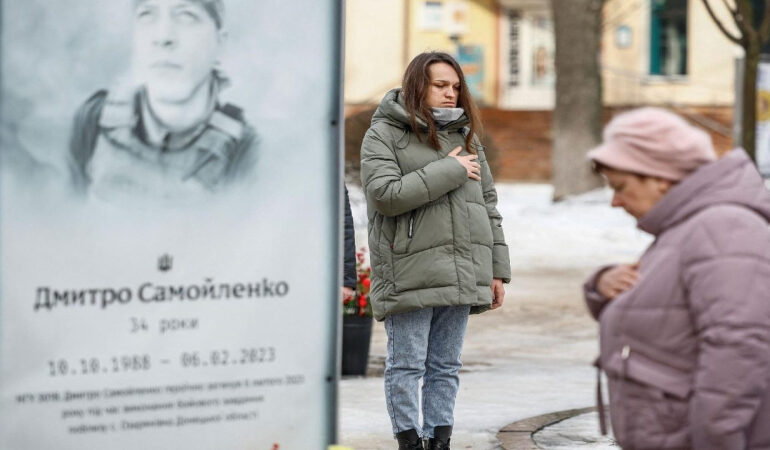

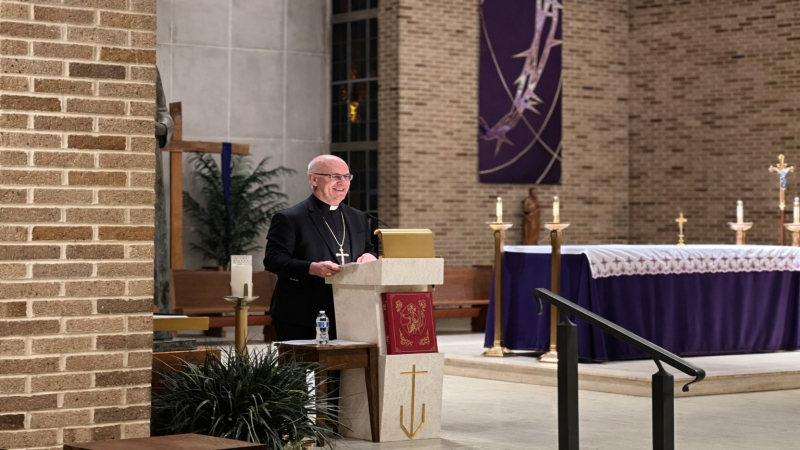
Four years after the start of Russia’s full scale invasion, the Apostolic Nuncio to Ukraine has described a nation living under constant threat yet refusing to surrender its hope. Archbishop Visvaldas Kulbokas, speaking on the anniversary of the war, reflected on the growing intensity of attacks, the rising toll on civilians, and the quiet resilience he witnesses daily across the country.
According to the Archbishop, the scale of the conflict has deepened dramatically. The number of Russian troops on Ukrainian territory has multiplied compared to the early months of the invasion. Missile and drone strikes have also increased several fold, striking not only areas near the front line but cities far from active combat zones. Recent United Nations data indicate that civilian casualties have risen again in 2025, with a significant percentage occurring across the entire country rather than only in frontline regions.
Medical workers face extraordinary risks. At the beginning of the war, doctors were able to set up emergency stations in basements or lower floors of buildings. Today, such measures are often insufficient. Every structure can become a target. Near the front line, aid points must now be established several meters underground to shield patients and staff from constant drone surveillance and bombardment. Evacuations are frequently delayed, sometimes for days, while freezing temperatures compound injuries and suffering.
Humanitarian delivery has also become more complex. Relief workers, clergy, and volunteers operate under the same threat as civilians and soldiers. Access to water, food, and medicine is increasingly limited in heavily bombed areas. Despite these conditions, local communities continue to organize assistance networks and interfaith initiatives to support the wounded, displaced families, and children who require prosthetic care or temporary shelter abroad.
Archbishop Kulbokas emphasized that amid destruction, many Ukrainians consciously refuse to focus solely on suffering. He recounted meeting women involved in humanitarian and prayer groups who described their mission as doing what is possible each day. Instead of dwelling on anger, they seek practical ways to restore dignity, whether by arranging medical care or offering moments of rest to traumatized families.
The Nuncio also highlighted the spiritual dimension of the crisis. He recalled international agreements that once guaranteed Ukraine’s sovereignty and expressed concern about the erosion of international law. Yet he repeatedly returned to the need for prayer and discernment. Drawing inspiration from Pope Leo XIV’s recent reflections, he said believers are called not to remain among the ashes of destruction but to rise and rebuild through faith.
In his view, the Church’s primary contribution is spiritual accompaniment. Through prayer, pastoral presence, and moral encouragement, chaplains and clergy seek to bring hope where despair can easily take root. On battlefields and in cities under bombardment, he said, divine hope remains a force that transcends human limitations.