
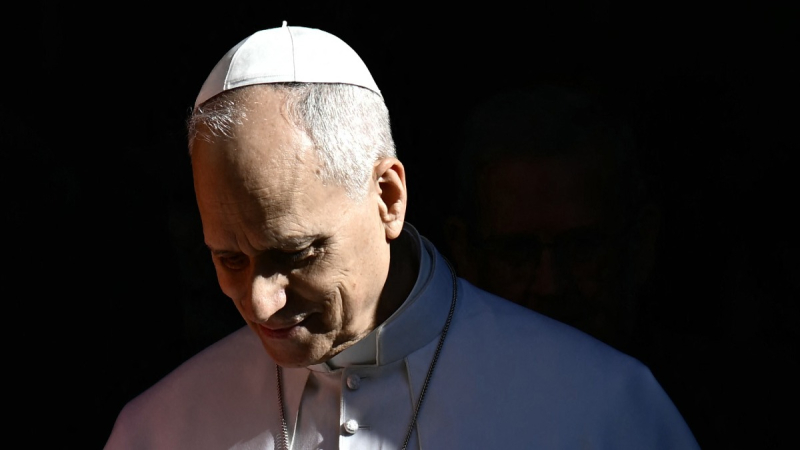

As Archbishop elect Ronald Hicks prepares to assume new responsibilities in the United States, voices from El Salvador are recalling the years that helped shape his pastoral identity far from major diocesan centers. From 2005 to 2010, Hicks worked in northern El Salvador with Nuestros Pequeños Hermanos, an organization dedicated to caring for abandoned and vulnerable children across Latin America. Local staff and community members remember him not as a distant administrator but as a priest who immersed himself fully in daily life, sharing meals, traveling rural roads, and accompanying families through ordinary and difficult moments. His presence was marked by simplicity and approachability, qualities that allowed him to integrate easily into communities still carrying the social and economic scars of past conflict. Those who worked alongside him describe his time there as formative, both for the children he served and for his own understanding of priesthood rooted in closeness and service.
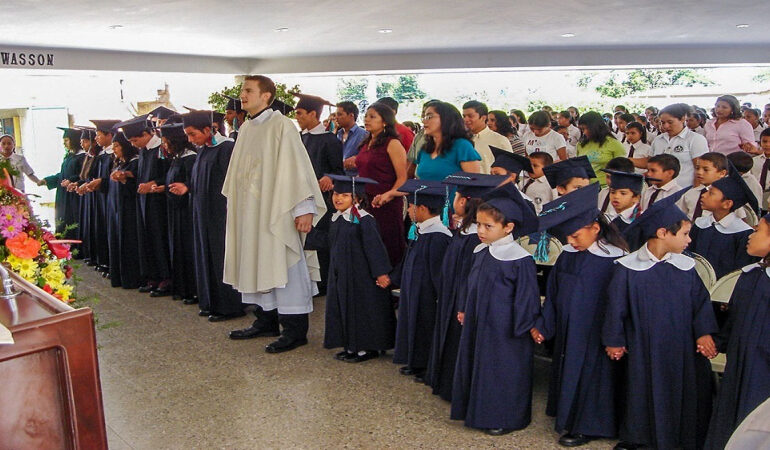
During his years in El Salvador, Hicks combined organizational discipline with constant pastoral availability. He presided over baptisms, attended graduations, and remained attentive to the practical needs of both children and staff, ensuring food, education, and emotional support were never secondary to administrative duties. His leadership style emphasized personal encounter, shaped in part by moments of self correction that reinforced his vocation as a pastor rather than a functionary. He maintained personal connections through handwritten notes and small gestures that left lasting impressions in communities where resources were limited. His attachment to the country’s spiritual history was also evident, beginning with his visit to the tomb of Saint Óscar Romero upon arrival and continuing through later moments, including assisting in the liturgical events surrounding Romero’s beatification. These experiences deepened his connection to a Church shaped by witness, sacrifice, and social commitment.
Even after returning to the United States, Hicks maintained ties with the Salvadoran communities he served, continuing visits during Holy Week and significant milestones whenever his responsibilities allowed. Those relationships persisted as his ecclesial responsibilities expanded, including his episcopal appointment in Illinois and now his designation for higher office. Observers note that his pastoral outlook reflects lessons learned in places far from institutional prominence, where credibility is built through presence and humility. For those who knew him in El Salvador, his new role is seen as a continuation rather than a departure from that path. They describe a pastor who accepts new assignments with obedience and trust, shaped by years spent among the poor and vulnerable. As he moves toward leadership in a major archdiocese, his experience in El Salvador remains a defining chapter in a ministry consistently oriented toward service and human dignity.