

Archbishop James Checchio Assumes Leadership of New Orleans After Pope Accepts Aymond Resignation
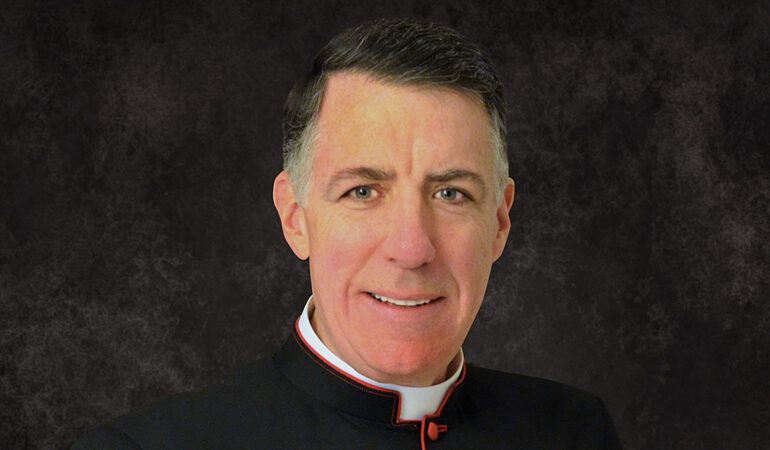

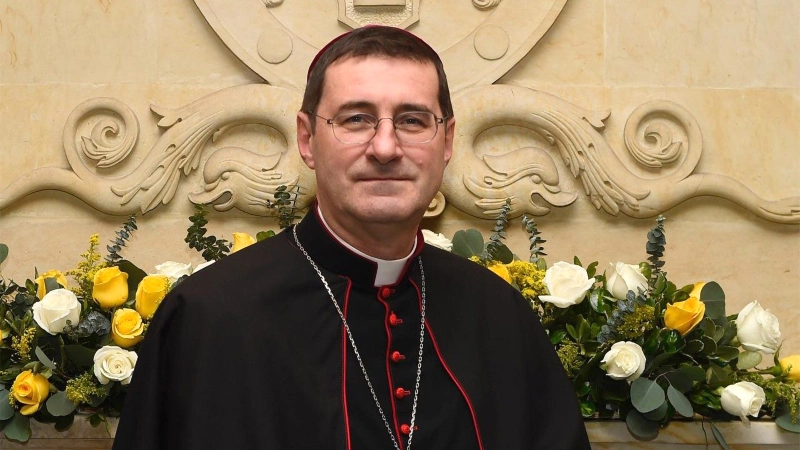
Pope Leo XIV has accepted the resignation of Archbishop Gregory Aymond of New Orleans, formally installing Archbishop James Checchio as the new head of the Archdiocese of New Orleans.
Archbishop Checchio, 59, had been appointed coadjutor archbishop in September 2025, positioning him to automatically succeed Aymond upon his retirement. After arriving in New Orleans in mid November, Checchio spent three months assisting in the governance of the archdiocese, which serves more than half a million Catholics across southeastern Louisiana.
In a statement released on February 11, Checchio said his initial months in the archdiocese had passed quickly as he became more familiar with the local Church and its pastoral priorities. He is scheduled to celebrate his first Mass as archbishop at St. Louis Cathedral on Ash Wednesday, February 18.
Before his appointment to New Orleans, Checchio served as bishop of Metuchen, New Jersey, beginning in 2016. He previously spent a decade in Rome as rector of the Pontifical North American College and holds a doctorate in canon law, bringing both administrative and academic experience to his new role.
Checchio assumes leadership at a pivotal moment for the archdiocese, which continues to navigate complex bankruptcy proceedings related to clergy sexual abuse claims. In September 2025, the archdiocese announced a proposed 230 million dollar settlement for more than 600 claimants, following earlier offers and five years of negotiations in federal bankruptcy court. The archdiocese filed for Chapter 11 bankruptcy protection in May 2020, becoming one of the largest U.S. dioceses to do so.
Archbishop Aymond, a native of New Orleans, had led the archdiocese since 2009. He submitted his resignation after turning 75 in November 2024, in accordance with Church law requiring bishops to offer their resignation at that age. Ordained a priest in 1975, Aymond’s ministry included leadership roles in Catholic education and missionary service in Mexico and Nicaragua. He also served as auxiliary bishop in New Orleans before later being appointed coadjutor bishop of Austin, Texas, where he eventually became bishop.
Aymond’s tenure included both pastoral initiatives and controversy. In the late 1990s, he faced criticism for decisions related to a case involving a school coach later convicted of abuse. In subsequent years, he acknowledged mistakes in handling the matter and strengthened diocesan policies addressing clergy misconduct. Advocacy groups, however, have continued to scrutinize the archdiocese’s record on abuse prevention and accountability.
With Checchio now at the helm, attention turns to how the archdiocese will continue implementing reforms while seeking resolution in its bankruptcy proceedings. Church observers note that his background in canon law and seminary leadership may influence his approach to governance, clergy formation and institutional transparency.
The transition marks a significant moment for the historic New Orleans archdiocese as it seeks stability and healing while preparing for the upcoming Lenten season under new leadership.