
Archbishop William Lori Urges Moral Renewal in US Political Life Ahead of 250th Anniversary
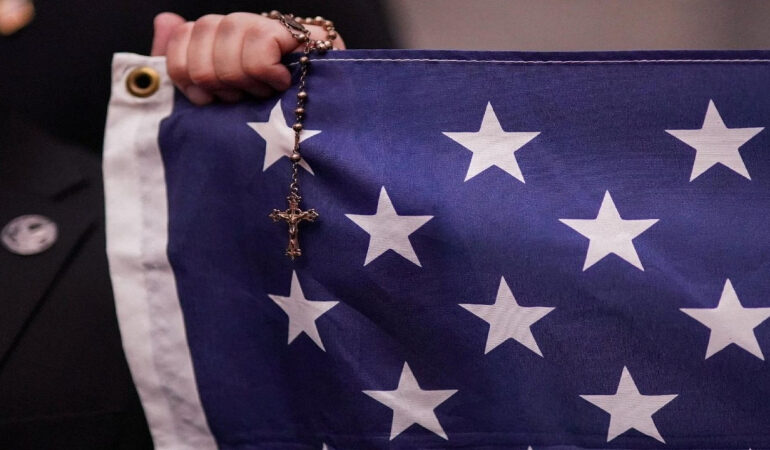

As the United States prepares to mark the 250th anniversary of the Declaration of Independence, Archbishop William Lori of Baltimore has issued a pastoral letter calling Catholics and all people of goodwill to pray in thanksgiving for the nation while committing themselves to a renewal of political culture rooted in faith and virtue.
In the letter titled In Charity and Truth Toward a Renewed Political Culture, Archbishop Lori reflects on the state of American public life, describing the current crisis as not only institutional but also moral and spiritual. While acknowledging the importance of laws, policies and democratic structures, he argues that no political system can function well without the moral formation of its citizens.
The Archbishop writes that authentic renewal begins with a return to Jesus Christ and a deeper understanding of the human person as created in the image of God. Human dignity, he stresses, is inviolable and cannot be reduced to partisan interest or ideological convenience. Political engagement must be guided by responsibility for one another and by a commitment to the common good rather than the pursuit of victory alone.
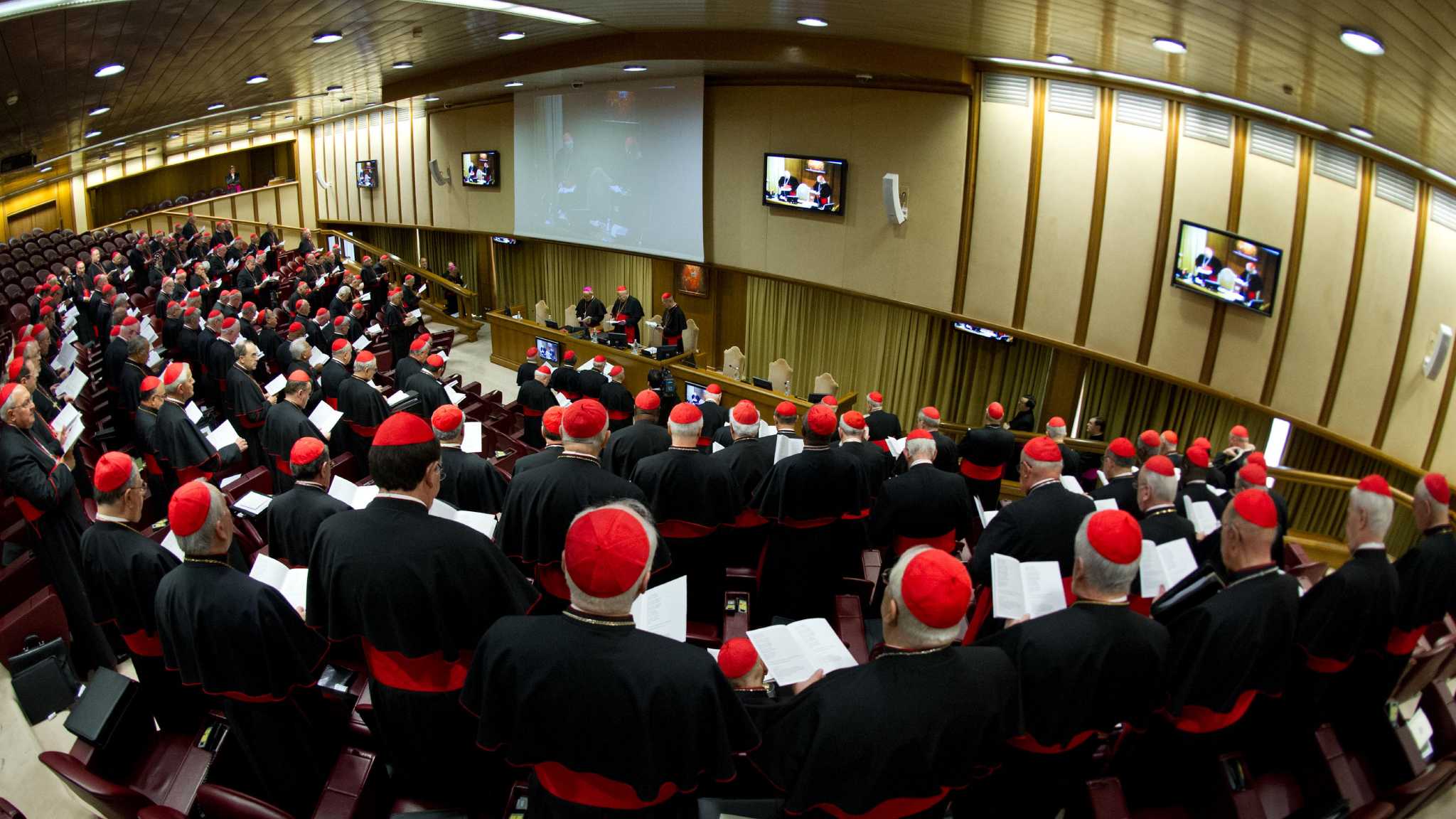
A significant theme in the letter is synodality, a concept often discussed within the life of the Church. Archbishop Lori suggests that its underlying principles offer lessons for public life as well. Synodality, he explains, involves listening with humility, speaking honestly, discerning patiently and walking together even amid disagreement. These habits, though rooted in ecclesial practice, foster a culture of respect and seriousness that democratic societies urgently need.
He cautions that the Church’s internal structures cannot simply be transferred into secular governance. However, the virtues cultivated through synodal practice such as attentiveness, patience and reverence for the dignity of others can strengthen civic life and help societies navigate deep differences without descending into hostility.
Central to the pastoral letter is a call to recover what the Archbishop describes as a moral imagination for politics. This does not mean ignoring convictions or avoiding difficult debates. Rather, it involves envisioning public life shaped by prudence, justice, fortitude and temperance. Prudence resists ideological shortcuts. Justice seeks the common good. Fortitude endures tension without cruelty. Temperance restrains excess in speech and power.
Above all, Archbishop Lori emphasizes charity understood not as sentiment but as disciplined love of neighbor. Without charity, even arguments grounded in truth risk becoming tools of division. He reminds readers that renewal will not come from a single leader or party but from the moral habits of ordinary citizens who choose solidarity over fragmentation.
As the anniversary of the Declaration of Independence approaches, the Archbishop invites Americans to give thanks for the blessings of their nation while engaging in serious self examination. He presents political life as a field of moral responsibility where faith and citizenship meet, urging believers to contribute to a public square shaped by charity and truth rather than fear or contempt.