

Belgian bishop signals push to ordain married men as priest shortages deepen in Europe
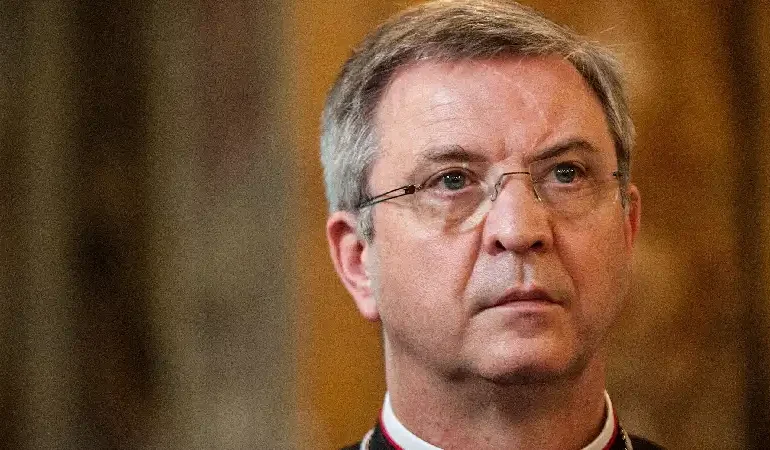

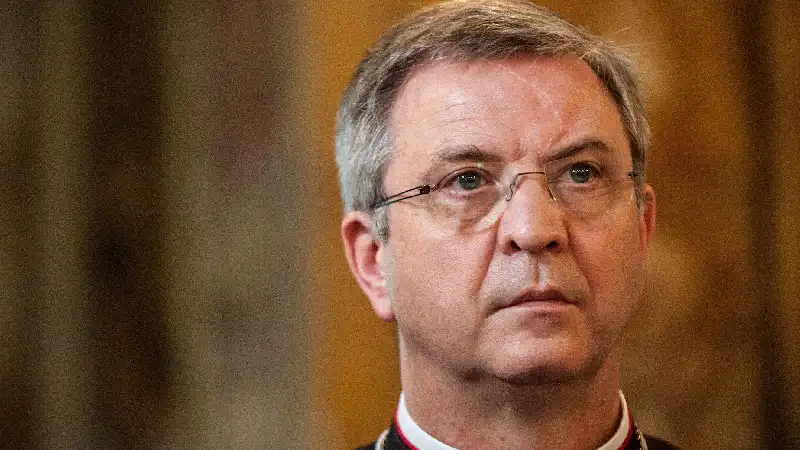
A senior Catholic bishop in Belgium has announced plans to pursue the ordination of married men within his diocese, citing a growing shortage of priests and changing pastoral needs across Europe. Bishop Johan Bonny of Antwerp stated that he intends to make concrete efforts toward this goal by 2028, framing the issue as no longer a question of possibility but of timing and implementation. His remarks reflect wider discussions within the Church about how to respond to declining vocations while maintaining fidelity to established teachings and traditions.
The bishop explained that he aims to personally identify and prepare suitable candidates, ensuring they receive proper theological education and pastoral formation comparable to that of celibate seminarians. His proposal comes as many dioceses across Europe face a significant decline in the number of men entering the priesthood, leading to increased reliance on clergy from other regions. While expressing gratitude for international priests serving in local communities, he noted that such support cannot fully address the long term needs of dioceses or replace the importance of local vocations.
The issue of married priests remains complex within the Catholic Church, particularly in the Latin tradition where priestly celibacy is the norm. While exceptions exist, including the ordination of married converts from other Christian traditions, the standard discipline continues to emphasize celibacy as a spiritual commitment that allows priests to dedicate themselves fully to their ministry. In contrast, Eastern Catholic churches have long maintained a tradition of ordaining married men, highlighting a diversity of practices within the broader Catholic communion.
Bishop Bonny pointed to this distinction as part of a wider conversation about consistency and pastoral adaptation, noting that the existence of married clergy in some parts of the Church raises questions about how similar practices might be considered elsewhere. His comments are also linked to ongoing synodal discussions, where Church leaders are examining how to respond more effectively to contemporary challenges. These include not only the shortage of clergy but also the need to ensure that pastoral care remains accessible to growing Catholic populations.
Globally, the Catholic Church continues to experience shifts in both membership and clergy distribution, with some regions facing acute shortages despite overall population growth. In Europe, where the decline in priestly vocations has been particularly pronounced, dioceses are exploring various approaches to sustain parish life and sacramental ministry. The discussion surrounding the ordination of married men is likely to remain part of this broader reflection, as Church leaders seek solutions that balance tradition with the practical realities of serving diverse and expanding communities.