

Belgian Nativity Scene Theft Sparks Debate Over Sacred Art and Public Respect
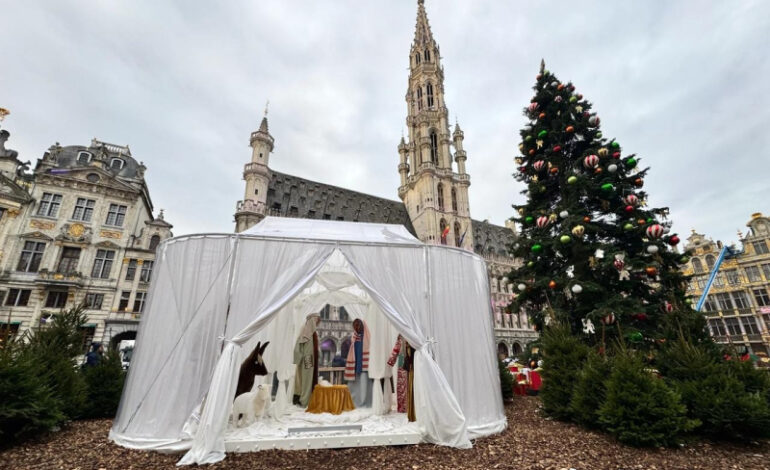

Authorities in Brussels are investigating the theft of an infant Jesus figure removed from a public Nativity scene that had already drawn widespread attention for its unconventional design. The figure, crafted from soft fabric without facial features, was created by artist Victoria Maria Geyer to offer a universal representation inviting Catholics from diverse backgrounds to see themselves in the Christmas narrative. The manger installation at the Grand Place, visited by millions during the annual holiday market, became a point of contention after critics on social media expressed discomfort with the abstract artistic approach. Political commentary added to the controversy, with some claiming the faceless design strayed too far from traditional symbolism. Despite divided public opinion, the sudden removal of the Christ figure shifted discussion from artistic merit to the broader issue of respect for sacred displays in communal spaces, prompting organizers to replace the statue while reinforcing surveillance around the installation. The theft has renewed conversations across Belgium about the intersection of devotional art, public expression and social media reactions in shaping how communities interpret long standing religious traditions.
City officials confirmed that early rumors suggesting damage to the figure were unfounded, noting that the disappearance appears to be an intentional act carried out under the cover of night. The incident was not unprecedented, as previous Nativity installations in Brussels have also experienced vandalism and theft, yet this year’s event occurred within an already charged environment shaped by online criticism and defense of the artwork. Organizers emphasized that the selection of Geyer’s design was made jointly by local Catholic representatives and civic authorities, continuing the city’s annual practice of featuring different artistic interpretations of the Nativity. Following the theft, the atmosphere around the exhibit shifted, with many citizens expressing disappointment that a symbolic piece central to the Christmas celebration had been targeted. Local officials described the installation as an important cultural and spiritual element that draws significant international attention during the holiday season, connecting visitors with the historical and theological roots of Christmas while promoting community identity within Brussels’ historic center.
As discussions unfolded, several community members voiced concern that the incident reflects a broader challenge faced by religious imagery placed in public settings, where artistic creativity and sacred meaning must coexist with civic accessibility. Geyer stated that recent reactions have become more supportive, suggesting that initial criticism had begun to evolve into appreciation for the inclusive intention behind her work. Residents gathering at the site expressed frustration that disagreement over style led to disrespectful behavior, arguing that artistic interpretation should not justify destructive actions. One visitor noted that the theft undermined both the cultural value of the annual display and the deeper spiritual reflection it invites during the Advent season. The replacement of the figure ensures that the Nativity scene remains intact for the thousands expected to visit in the coming days, while authorities continue investigating the theft. The episode has become a reminder of how sacred art, public participation and social commentary intersect in contemporary European cities, especially during major religious celebrations that carry both devotional significance and community heritage.