

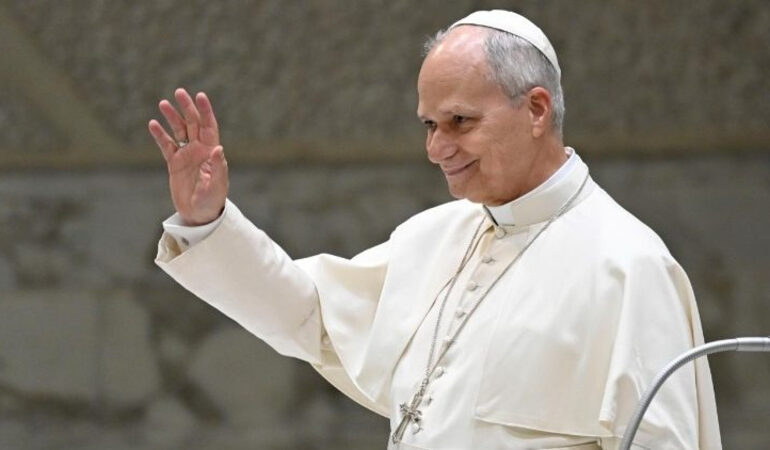

In a moment marked by quiet reassessment across many historic Christian communities, Pope Leo XIV has offered a reflection that reframes how vitality in the Church should be measured. Writing in the January edition of Piazza San Pietro, the Pope responded to a catechist from Switzerland who described shrinking parish engagement and growing indifference among families. Rather than focusing on attendance figures or institutional decline, the Pope centered his response on belonging, interior conversion, and patient witness. His message situates local pastoral frustration within a broader ecclesial reality faced across countries with long Christian histories, where social rhythms, leisure culture, and generational distance from religious practice have reshaped how faith is encountered. The emphasis is not defensive but reflective, suggesting that the present challenge is less about absence and more about weakened identification with the Church as a living body rather than a service provider.
The letter that prompted the Pope’s response came from a catechist serving families in a small Swiss municipality, Laufenburg, where parish life mirrors wider European patterns. Parents and children increasingly prioritize sports, social events, and private routines over communal worship, while parish spaces feel quieter and older. The catechist described her work as sowing seeds that struggle to take root, an image that captures the slow and often unseen nature of pastoral labor. In addressing this reality, the Pope avoided both reassurance by nostalgia and pressure for numerical success. He acknowledged that discouragement is understandable, yet insisted that time devoted to catechesis retains its value regardless of visible outcomes. By reframing catechetical work as participation in a longer spiritual horizon, the Pope implicitly challenged productivity-driven models that risk measuring faith formation by immediate results rather than sustained presence.
Central to the Pope’s response is a diagnosis that extends beyond local circumstances. He identified the deeper issue as a fading sense of belonging, where many no longer perceive themselves as active members of the Church but as occasional participants who approach religious life out of habit or convenience. This shift, he suggested, transforms the Church into a place of consumption rather than communion. His language drew on the theological vision of the Church as a body with diverse gifts and responsibilities, emphasizing shared conversion rather than isolated effort. The invitation is communal and inward-facing, calling believers to rediscover faith not as obligation but as relationship. In this framing, even small gatherings retain significance, because the measure of ecclesial life lies in shared orientation toward Christ rather than public visibility or demographic strength.
The Pope concluded his reflection by returning to the spiritual source of evangelization, recalling the enduring legacy of Paul VI and his insistence on joyful witness. Faith, he suggested, is ultimately transmitted through lived joy rooted in renewal and resurrection rather than through strategy alone. This appeal situates contemporary pastoral challenges within a continuity of teaching that resists both despair and triumphalism. By grounding encouragement in conversion and joy, the Pope’s words align with a broader Vatican emphasis on depth over scale and conscience over performance. In a time when institutions are often judged by growth metrics, his response offers a countercultural reminder that the Church’s credibility emerges from interior coherence and faithful presence, even when numbers are few and progress appears slow.