

Bernini and Pope Urban VIII Honored as Vatican Marks 400 Years of St. Peter’s Basilica
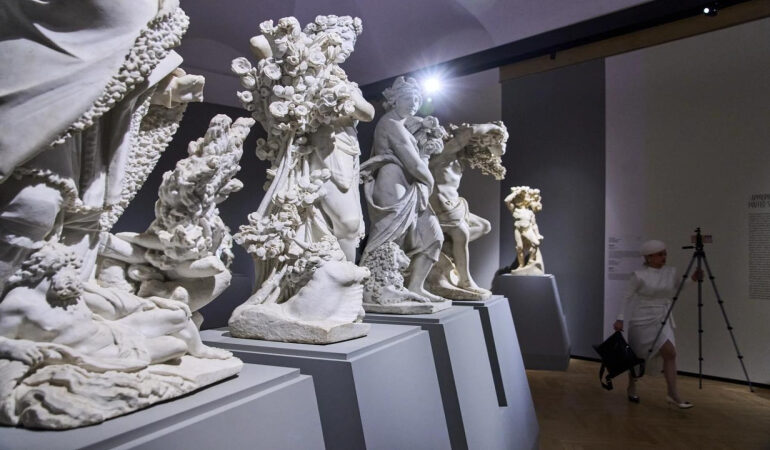

A major exhibition in Rome is highlighting the historic partnership between Gian Lorenzo Bernini and Pope Urban VIII as the Vatican commemorates the 400th anniversary of the consecration of St. Peter’s Basilica. The exhibition, titled Bernini and the Barberini, opened at Palazzo Barberini and examines the influential relationship that helped shape the artistic and spiritual identity of Baroque Rome.
The anniversary marks four centuries since Pope Urban VIII consecrated the newly completed St. Peter’s Basilica in 1626. Although the construction of the basilica spanned more than a century, Urban VIII played a decisive role in completing and embellishing its interior. Among his most enduring commissions was Bernini’s monumental bronze baldacchino, the towering canopy erected over the tomb of Saint Peter, which remains one of the defining features of the basilica.
Before ascending to the papacy, Cardinal Maffeo Barberini recognized Bernini’s extraordinary talent while the young artist was still working in his father Pietro Bernini’s studio. After becoming pope in 1623, Urban VIII entrusted him with major artistic and architectural projects, effectively positioning Bernini as the leading creative force of his era. Curators of the exhibition describe the pope’s support as instrumental in elevating Bernini to prominence comparable to Michelangelo in the previous century.
The exhibition focuses specifically on the period of Urban VIII’s pontificate, from 1623 to 1644, exploring how papal patronage shaped Bernini’s early development as sculptor and architect. Through sculptures, sketches, paintings and rare models on loan from international museums and private collections, visitors gain insight into how the collaboration between artist and pope influenced Rome’s transformation into a center of Catholic culture during a time of religious and political upheaval in Europe.
Urban VIII has often been remembered for controversial decisions, including his role in the trial of Galileo Galilei and his order to remove bronze elements from the Pantheon for military purposes. However, this year’s commemorations emphasize his cultural and architectural legacy, particularly his commitment to strengthening the visual and symbolic presence of the Catholic Church through art.
While the exhibition limits itself to works created during Urban’s reign, Bernini’s later achievements continue to define Rome’s landscape. Under subsequent popes, he designed the Fountain of the Four Rivers in Piazza Navona and the sweeping colonnade that frames St. Peter’s Square, projects that further cemented his reputation as the master of Baroque expression.
The model of the bronze casing for the Chair of St. Peter, on loan from the Vatican, stands among the exhibition’s highlights. Organizers say the display offers a deeper understanding of how papal vision and artistic genius converged to produce enduring masterpieces.
Running through mid June, the exhibition forms part of broader Vatican initiatives commemorating the basilica’s 400th anniversary, inviting renewed reflection on the historical, artistic and spiritual significance of one of Christianity’s most important sacred spaces.