


Between Concordats and Conscience How the Vatican Is Reframing Church State Boundaries in 2026


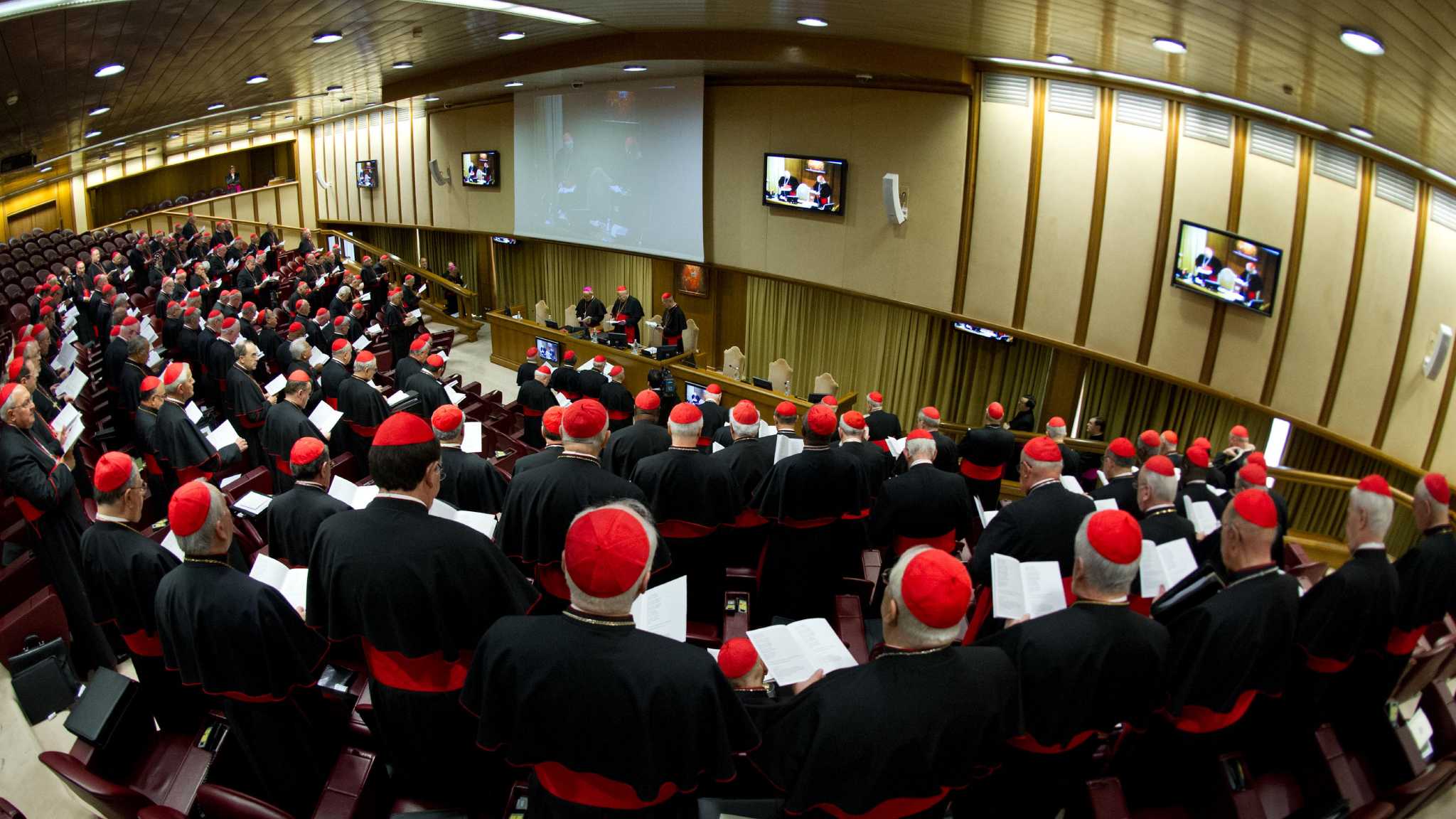
The relationship between the Vatican and secular governments has always required careful balance. In 2026, that balance is being rearticulated with notable restraint. Rather than seeking visibility through legal confrontation or political alignment, the Holy See is emphasizing principled distance, legal clarity, and moral credibility in its interactions with states.
This approach reflects a broader understanding that influence in the modern era is shaped less by proximity to power and more by consistency of witness. As political systems grow more polarized and legal norms more fragmented, the Vatican’s posture suggests an intentional shift toward safeguarding conscience and institutional autonomy within existing legal frameworks.
Concordats as Instruments of Stability, Not Power
Concordats remain central to how the Vatican structures its legal relationships with states, but their function is increasingly framed as protective rather than expansive. In 2026, these agreements are treated as instruments that ensure the Church’s freedom to operate, educate, and serve without interference, rather than as tools for political leverage.
The Holy See has shown restraint in renegotiating or expanding concordats, even in regions where religious freedom is under pressure. This signals a preference for legal continuity and predictability over symbolic victories. By maintaining clear boundaries, the Vatican aims to preserve its ability to act independently of shifting political winds.
This legal minimalism also reflects an awareness that public trust is fragile. Agreements grounded in mutual respect and clearly defined limits are more likely to endure than those perceived as privileging religious authority over civil law.
The Role of Conscience in Legal Engagement
Conscience has become a defining principle in how the Vatican approaches church state relations. Rather than asserting doctrinal positions through legal mandates, the Holy See increasingly emphasizes moral persuasion and ethical dialogue.
This approach allows the Church to speak clearly on issues such as human dignity, religious freedom, and social justice without becoming entangled in partisan legal battles. It acknowledges that legal compliance does not always equate to moral legitimacy, and that the Church’s role is to form consciences rather than enforce outcomes.
By foregrounding conscience, the Vatican preserves its prophetic voice while respecting the autonomy of civil institutions. This separation reinforces credibility, particularly in pluralistic societies where coercive influence can undermine moral authority.
Navigating Secular Legal Systems Without Confrontation
In 2026, Vatican diplomacy reflects a deliberate avoidance of public legal disputes. Instead of challenging state authority through courts or political pressure, the Holy See favors behind the scenes dialogue and long term engagement.
This strategy is evident in how the Vatican responds to legislation that affects religious institutions. Rather than issuing immediate condemnations, it often seeks clarification, dialogue, and negotiated accommodations. This reduces escalation while protecting core ecclesial interests.
Such restraint does not imply passivity. It reflects a calculated understanding that sustainable outcomes are achieved through patience and consistency rather than confrontation. The Vatican’s legal posture aims to remain firm without becoming adversarial.
Institutional Autonomy as a Moral Signal
Protecting the Church’s internal governance has become a priority not only for operational reasons but also as a moral signal. Clear separation between ecclesial decision making and state influence reinforces the Church’s claim to act in service of conscience rather than power.
In a global context where institutions are often compromised by political alignment, the Vatican’s insistence on autonomy enhances its credibility. It communicates that moral positions are not negotiated in exchange for legal or financial advantage.
This clarity also strengthens the Church’s internal coherence. When legal boundaries are respected, ecclesial leadership can focus on formation, service, and ethical teaching without external pressure shaping priorities.
Conclusion
In reframing church state boundaries in 2026, the Vatican is choosing coherence over confrontation and conscience over control. By emphasizing legal restraint, moral clarity, and institutional autonomy, the Holy See positions itself as a stable ethical presence rather than a competing political actor. This approach reflects a long term vision in which credibility, not power, defines the Church’s place in public life.