
Bill Barr Defends Maduro Capture as Lawful Action
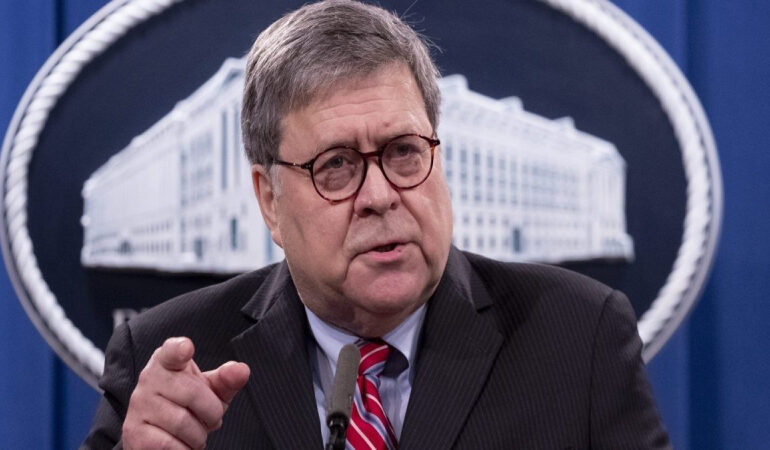

Former United States Attorney General Bill Barr has publicly defended the U.S. military operation that resulted in the capture of Venezuelan leader Nicolás Maduro, describing the action as legitimate under American constitutional law. Speaking in a televised interview days after the January 3 operation, Barr framed the raid as a targeted response to what he characterized as a sustained threat posed by Maduro’s regime. He argued that U.S. authorities acted within their legal authority to address narcotics trafficking, regional destabilization, and hostile alliances involving foreign powers. The capture, carried out under the Trump administration, has triggered debate in Washington over executive authority and international law. Barr dismissed these concerns, asserting that precedent allows presidents to use force without prior congressional approval when confronting specific threats to national security.
Barr identified two central legal questions raised by the operation: whether U.S. law permits such an action and which branch of government is empowered to authorize it. In his assessment, the Constitution grants presidents broad discretion to respond to external threats, a practice he said has been exercised repeatedly across administrations. He drew parallels between the Maduro case and the 1989 capture of Panamanian leader Manuel Noriega, noting his own involvement as a senior Justice Department official at the time. Barr emphasized that the United States did not recognize Maduro as Venezuela’s legitimate leader, citing disputed elections and systemic repression. Under U.S. legal interpretation, he argued, Maduro is viewed not as a head of state but as an individual who seized power unlawfully.
The former attorney general also linked the operation to broader regional security concerns. He pointed to increased U.S. military activity in the Caribbean prior to the capture, including naval deployments and actions against sanctioned vessels. Barr described Venezuela as a hub for narcotics trafficking and foreign military influence, alleging cooperation with actors hostile to U.S. interests. He cited the scale of Venezuela’s humanitarian crisis, marked by mass emigration and economic collapse, as further justification. According to Barr, these conditions transformed the situation from a foreign policy dispute into a matter of law enforcement and national defense. He argued that the consequences of inaction would have extended beyond Latin America, directly affecting American security.
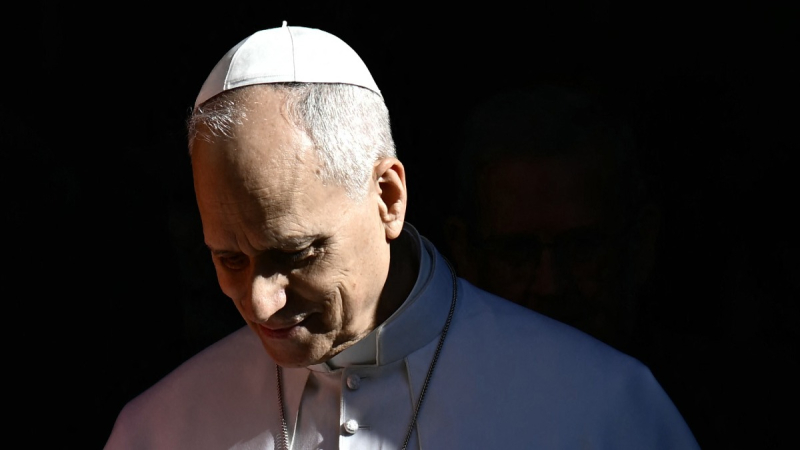
Addressing reactions from religious leaders, Barr claimed that Catholic bishops in Venezuela had long opposed Maduro’s rule and expressed relief following his removal. He urged Vatican leaders to consider the experiences of local churches operating under repression. At the same time, Pope Leo XIV has publicly called for respect for Venezuela’s sovereignty and constitutional order, underscoring the Church’s emphasis on self determination and peace. Barr countered that sovereignty presupposes freedom and legitimate governance, conditions he said no longer existed in Venezuela. Looking ahead, he suggested that regional shifts triggered by Maduro’s fall could pressure allied regimes, reshaping political dynamics without direct U.S. intervention.