

Bishop Erik Varden Urges Realism Rooted in Mercy During Vatican Lenten Retreat
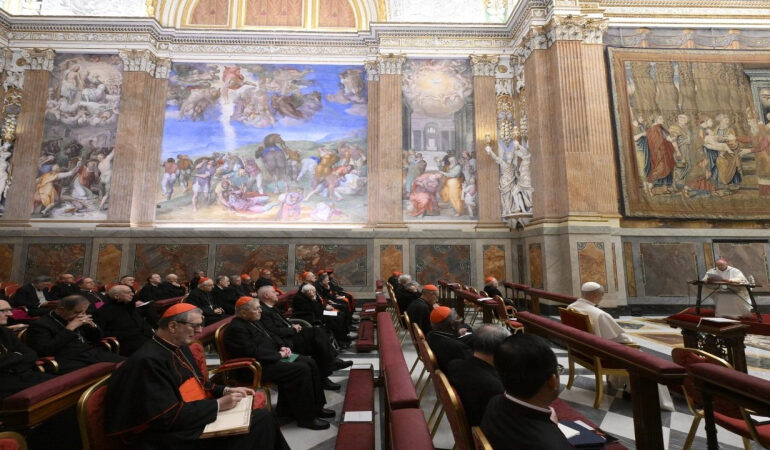

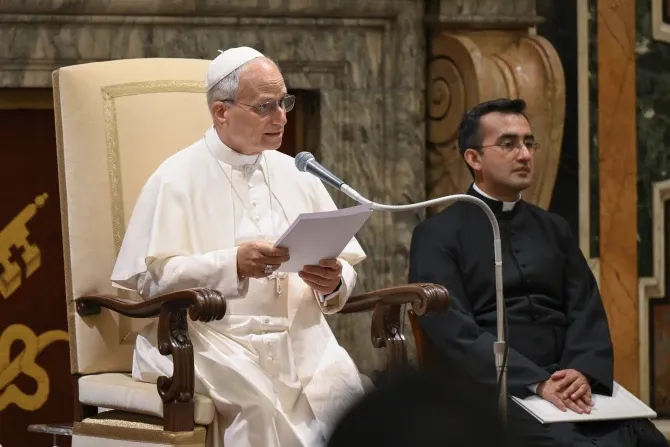
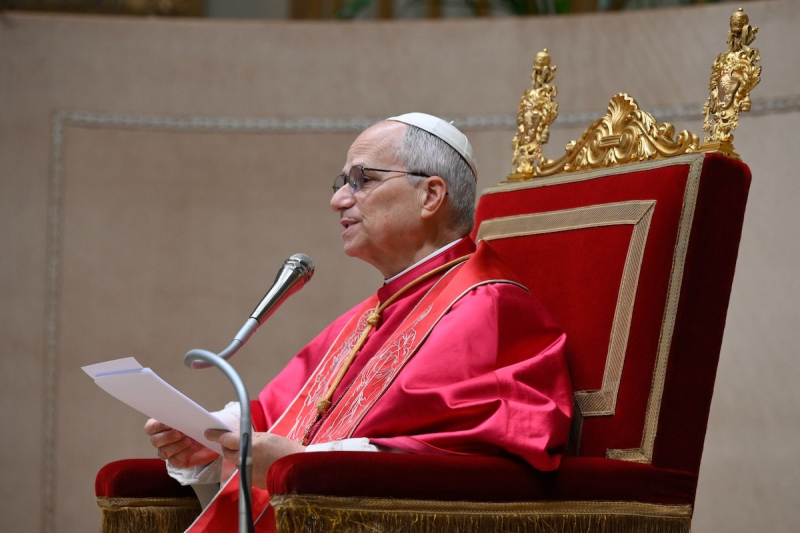
During the annual Lenten Spiritual Exercises at the Vatican, Bishop Erik Varden of Trondheim offered a profound meditation on Saint Bernard of Clairvaux, presenting him not only as a towering reformer of the Church but as what he called “Bernard the Realist.” His reflection formed part of the retreat attended by Pope Leo XIV, cardinals residing in Rome, and senior officials of the Roman Curia.
Bishop Varden explored how the Cistercian movement, shaped decisively by Bernard, was forged in the tension between high spiritual ideals and the practical demands of daily life. Bernard, he explained, was known for his fierce determination and uncompromising vision. He often charted a course in his mind and pursued it with intensity. Yet over time, that intensity matured. The idealist gradually became a realist, tempered by experience and deepened by spiritual insight.
Drawing on the idea that reality is what confronts and challenges us, Bishop Varden reflected on the many conflicts and political complexities Bernard faced in his lifetime. Bernard was deeply involved in ecclesial and secular affairs, navigating disputes and crises that required both conviction and prudence. His realism, however, was not limited to accepting circumstances as they were. Instead, Bernard came to understand that beneath human conflict lies a universal cry for mercy.
According to Bishop Varden, Bernard recognized this cry in personal suffering, in political turmoil, and even in the quiet rhythms of nature. What transformed him was his conviction that God responds to this cry through Jesus Christ. The name of Jesus, he said, became central to Bernard’s spirituality, representing healing, renewal, and divine compassion poured out upon humanity.
Quoting Bernard’s own words to his monks, Bishop Varden emphasized the depth of this devotion. Bernard described every intellectual pursuit as empty unless it was rooted in Christ. For him, the name of Jesus was sweetness, harmony, and interior joy. This affective dimension of faith, often expressed in the Latin term affectus, was essential to Bernard’s theology. Grace, he believed, engages not only the intellect but the whole human person.
Bishop Varden also highlighted Bernard’s broader influence beyond Catholic circles. Reformers such as Martin Luther and John Wesley admired his Christ centered approach, recognizing in him a spiritual teacher whose realism was grounded in divine love. Bernard interpreted human relationships, conflicts, and institutions through the light of Christ, seeing in them both brokenness and the possibility of transformation.
The reflection concluded by presenting Bernard as a man who attained interior freedom. According to early accounts of his life, he was at peace with himself, shaped by the knowledge of Christ’s love and its power to renew human nature. In the Vatican setting, Bishop Varden’s meditation invited participants to consider realism not as resignation, but as clarity born of mercy and sustained by faith.