

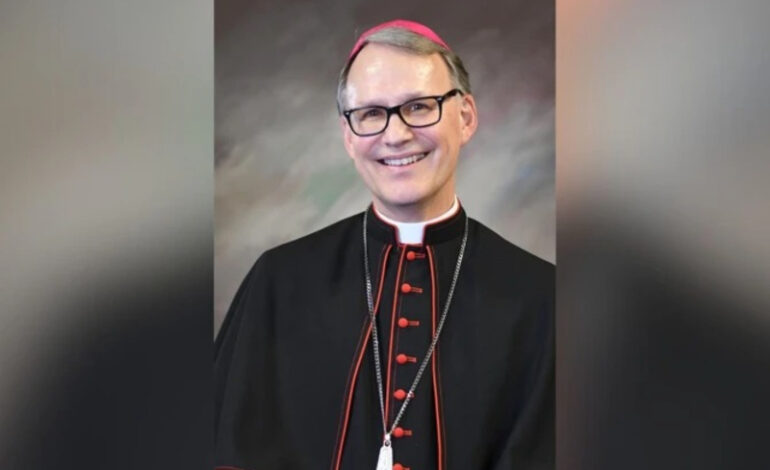

Bishop Patrick Neary of Saint Cloud has formally assumed the chairmanship of the Catholic Relief Services board, taking on the leadership position following his appointment by Archbishop Paul Coakley, president of the United States Conference of Catholic Bishops. The transition marks a significant moment for CRS, the Church’s largest global humanitarian agency, with Bishop Neary set to guide its mission until November 2028. His appointment follows years of pastoral and international service that shaped his understanding of the Church’s presence among vulnerable communities, particularly during his time in Kenya and Uganda. In statements released after the announcement, he described the role as a profound responsibility rooted in the Church’s preferential concern for the poor. His remarks emphasized that experiences in parish ministry and mission work revealed both the fragility and resilience found in communities facing hardship, shaping the perspective he brings into this new assignment. The leadership change reflects ongoing efforts by the USCCB and CRS to strengthen global outreach and maintain continuity through experienced episcopal voices.
Under his new role, Bishop Neary will work closely with CRS leadership to advance programs focused on food security, healthcare, emergency response and sustainable development in countries affected by conflict, climate pressures and economic instability. He expressed admiration for the commitment shown by his predecessor, Archbishop Nelson Pérez, noting the emphasis placed on safeguarding the dignity of vulnerable populations and promoting long term solutions instead of temporary relief. Bishop Neary stated that he hopes to contribute to this mission by fostering partnerships that allow communities to participate actively in shaping their own recovery and development. His experience as a parish leader in Oregon and as bishop of Saint Cloud has provided him with a pastoral framework that aligns with CRS goals, which prioritize listening to local needs and strengthening community structures. CRS officials welcomed his appointment, expressing confidence that his leadership will support the organization’s strategic vision and reinforce its Catholic identity through continued emphasis on solidarity, mercy and advocacy.
Bishop Neary’s earlier service in East Africa is expected to be a central influence on his approach, particularly given his firsthand experience with the challenges faced by communities affected by displacement, poverty and limited infrastructure. His international background places him in a position to understand the complexities of working in diverse cultural settings while maintaining consistent ethical standards rooted in Catholic social teaching. The mission of CRS requires leaders who can accompany local partners, integrate humanitarian practice with theological foundations and navigate the financial and logistical dimensions of global aid work. With ongoing crises in various regions and rising needs related to migration, resource shortages and natural disasters, the organization’s direction under Bishop Neary is anticipated to focus on expanding collaboration and improving long term resilience. His appointment highlights the broader significance of episcopal leadership in shaping the Church’s global humanitarian engagement at a moment when the demands placed on aid institutions continue to grow.