

Bishops’ Councils Release Guidelines for Ethical Leadership in Public Office


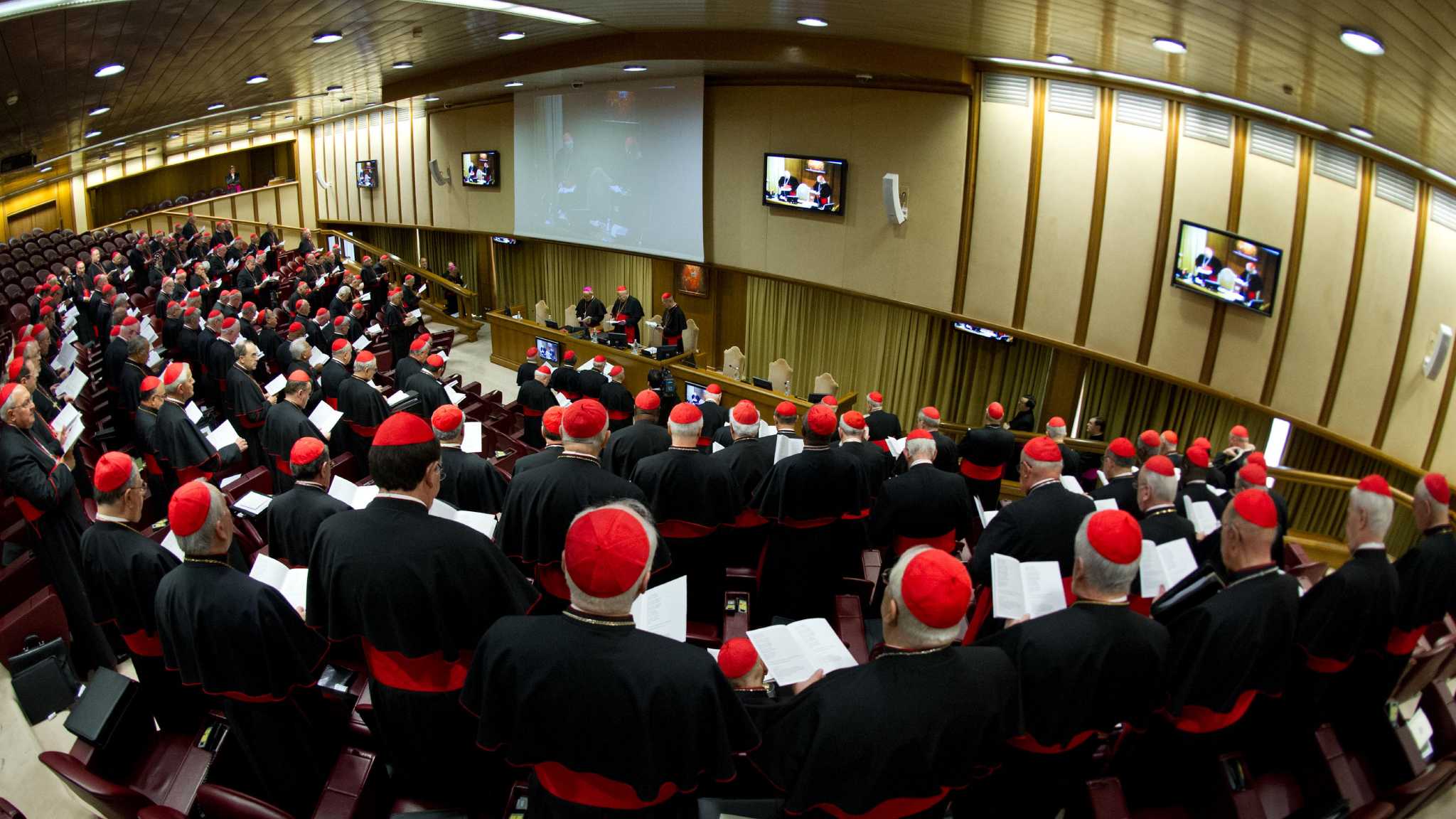
Bishops’ councils across several regions have released updated guidelines urging public officials to model ethical leadership rooted in integrity, transparency and a commitment to the common good. These guidelines come at a time when many societies face rising political polarization, public mistrust and challenges to democratic accountability. Church leaders emphasize that ethical leadership is essential not only for effective governance but also for strengthening social cohesion and protecting the dignity of all citizens.
The councils note that individuals who hold public office carry significant moral responsibility. Their decisions directly influence social welfare, economic stability and the protection of basic rights. For this reason, the bishops stress that ethical principles must serve as the foundation for public service. The guidelines encourage officials to approach their roles with humility, fairness and respect for the communities they represent.
Upholding integrity and transparency in public service
A central theme in the guidelines is the expectation that public officials demonstrate integrity in all aspects of their work. Integrity involves honesty in communication, consistency in decision making and fidelity to the duties of one’s office. Bishops highlight that when leaders act with clarity and openness, they strengthen public trust and set the tone for responsible governance.
Transparency is also emphasized as a necessary safeguard against corruption and misuse of authority. Public officials are encouraged to ensure that their actions and policies are communicated clearly, allowing citizens to understand how decisions are made and how public resources are used. The councils stress that transparency builds trust not only in individuals but in the institutions they serve.
Serving the common good over personal or political gain
The guidelines call on leaders to prioritize the common good rather than personal ambition or partisan interests. Ethical leadership involves making decisions that uplift communities, protect vulnerable populations and support long term social well being. Bishops stress that public office should be approached as a form of service that seeks justice and promotes human dignity.
Leaders are encouraged to avoid actions that deepen social divisions or harm public confidence. Instead, they are called to act with fairness and to consider the impact of their decisions on people beyond their immediate supporters. By promoting a spirit of unity and respect, officials help create environments where democratic values can flourish.
Promoting responsible dialogue in public life
Another major focus of the guidelines is the need for responsible dialogue. Bishops observe that public discourse is often marked by hostility or misinformation, making it difficult for citizens to engage constructively. They urge public leaders to promote dialogue that is respectful, truthful and oriented toward solving shared challenges.
Responsible communication helps reduce tension and encourages collaboration among diverse groups. Public officials are reminded that their words carry significant influence and should therefore promote peace, understanding and civic responsibility. By fostering a healthier public conversation, leaders contribute to a more stable and cohesive society.
Protecting human dignity as the basis of ethical leadership
The guidelines affirm that human dignity must remain at the center of political decision making. Every policy, whether related to education, healthcare, economic development or public safety, has moral implications that affect the lives of individuals and families. Bishops urge leaders to consider the human impact of their choices, especially on those who are marginalized or voiceless.
The councils also highlight that human dignity is not a partisan principle but a universal moral foundation. Protecting dignity requires ensuring access to essential services, defending fundamental rights and creating conditions where all people can thrive. Ethical leadership, therefore, involves consistent commitment to justice and compassion.
Conclusion
The guidelines issued by bishops’ councils reinforce the importance of integrity, transparency and commitment to the common good in public office. By encouraging responsible dialogue and prioritizing human dignity, the Church hopes to support leaders who govern with wisdom and moral clarity. These principles offer a framework for public service that strengthens democratic life and promotes social harmony.