
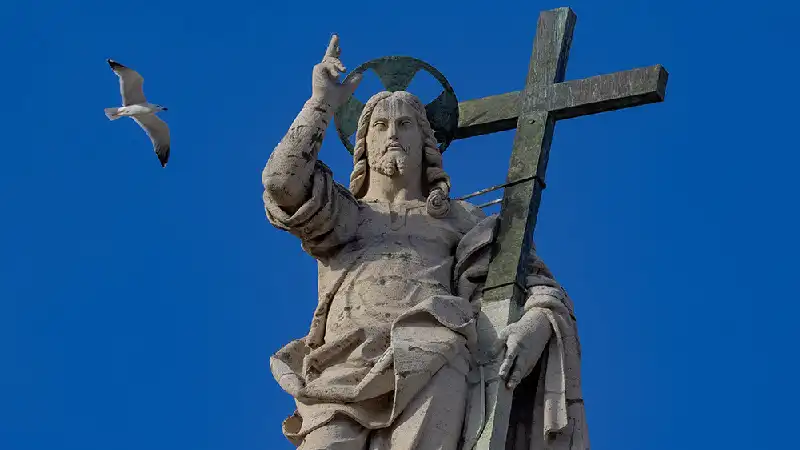
Brazil Carnival Bills Spark Debate Over Faith and Expression
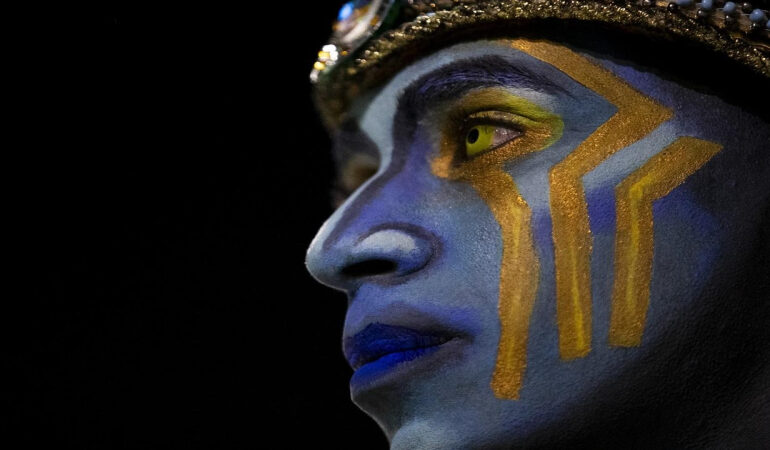

Legislative initiatives introduced by conservative city council members across Brazil are prompting renewed debate over religious expression and cultural freedom as the country approaches its Carnival season. In several municipalities, proposed and enacted measures seek to curb what supporters describe as Christophobia by restricting the use of Christian imagery and costumes during public celebrations. The initiatives have emerged in cities known for large scale Carnival events, including Salvador and nearby Lauro de Freitas, where local laws would allow fines and administrative sanctions against individuals or organizations accused of mocking Christian symbols. While some measures focus on establishing an annual day against religious intolerance, others explicitly reference Carnival and other public festivities, raising concerns about the balance between religious respect and artistic or cultural expression.
Supporters of the bills argue that Christian beliefs are increasingly subjected to ridicule in public spaces, particularly during Carnival performances that use satire and provocation. Lawmakers backing the proposals cite past parades and performances that depicted religious figures in ways they consider offensive, including portrayals involving sexualized costumes or irreverent symbolism. In Bahia, legislation adopted in Lauro de Freitas extends beyond symbolic recognition and outlines penalties for individuals, performers, and event organizers found to have violated the provisions. These include financial fines and restrictions on access to municipal funding, with repeat offenses subject to increased sanctions. Similar proposals have been introduced or approved in cities such as São Paulo and Belo Horizonte, even where Carnival is not explicitly mentioned in the legal text.
Religious and cultural leaders have offered differing responses to the initiatives, reflecting broader tensions within Brazil’s diverse religious landscape. Some Catholic voices have questioned the necessity and scope of such legislation, noting that Christianity remains the majority faith in many of the affected regions. Advocates of interreligious dialogue have argued that education and mutual respect offer a more constructive response than legal prohibition. They caution that overly restrictive measures risk escalating tensions between religious communities and undermining Carnival’s longstanding role as a space for symbolic expression and social commentary. At the same time, Church leaders acknowledge concerns about scandal and misunderstanding when religious symbols are placed within contexts marked by excess, alcohol consumption, and sexualized imagery, which may blur distinctions between representation and reality.
The controversy unfolds against the backdrop of Brazil’s complex religious history, where Catholicism, Evangelical Christianity, and Afro Brazilian religious traditions intersect within public culture. Carnival, in particular, has long incorporated satire, parody, and theatrical exaggeration as part of its artistic language. Critics of the bills warn that singling out Christian symbols may unintentionally marginalize other religious traditions or politicize faith. Others within the Church argue that deeper social issues demand greater attention, including inequality, violence, and environmental degradation. As municipalities weigh enforcement ahead of Carnival, the debate highlights ongoing challenges in reconciling religious sensitivity, freedom of expression, and the cultural identity of one of Brazil’s most prominent public celebrations.