

A prominent Catholic priest in Brazil has been instructed by church authorities in São Paulo to suspend his online broadcasts and refrain from social media activity following sustained criticism from right wing political figures. Father Júlio Lancellotti, widely known for decades of work with homeless communities, confirmed that the directive came from Cardinal Odilo Scherer, the archbishop of São Paulo. The priest said he received the order in a spirit of obedience, noting that his weekly Mass broadcasts and digital outreach had become a point of tension amid political polarization. Church officials described the matter as an internal pastoral decision, declining to offer public details. The move comes as debates intensify in Brazil over the role of clergy in public life, particularly when pastoral work intersects with social inequality and political activism.
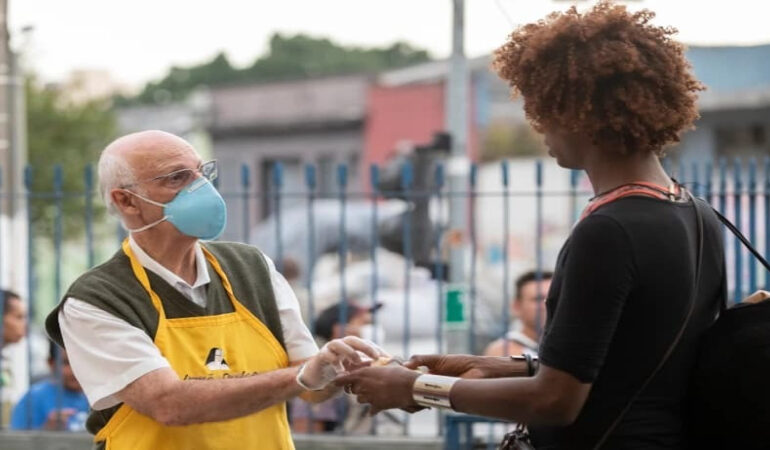
Father Lancellotti has built a large following through his advocacy for people living on the streets of São Paulo, using online platforms to highlight poverty, distribute aid, and promote awareness. His work has drawn criticism from conservative politicians who accuse him of encouraging disorder, allegations he firmly rejects. Supporters argue that his ministry reflects long standing Catholic social teaching and pastoral responsibility. Following news of the restriction, dozens of civil society groups focused on homelessness issued a public appeal urging church authorities to reconsider, citing the social impact of limiting his visibility. Representatives of those organizations have said they plan to attend his next public service to express solidarity, while respecting the Church’s autonomy in internal governance.
The controversy highlights broader tensions facing the Catholic Church in Latin America, where clergy working closely with marginalized communities often find themselves drawn into political disputes. Father Lancellotti has maintained that his actions are part of official pastoral work carried out under diocesan authority and not aligned with any organization or party. The situation has prompted renewed discussion about how bishops balance ecclesial discipline, public perception, and the Church’s commitment to social outreach. As Brazil remains deeply divided along political lines, the case illustrates the challenges faced by religious leaders seeking to serve vulnerable populations while navigating pressure from both within and outside the Church.