
Cameroonian Priest’s Release Sparks Renewed Calls for Dialogue and Peace
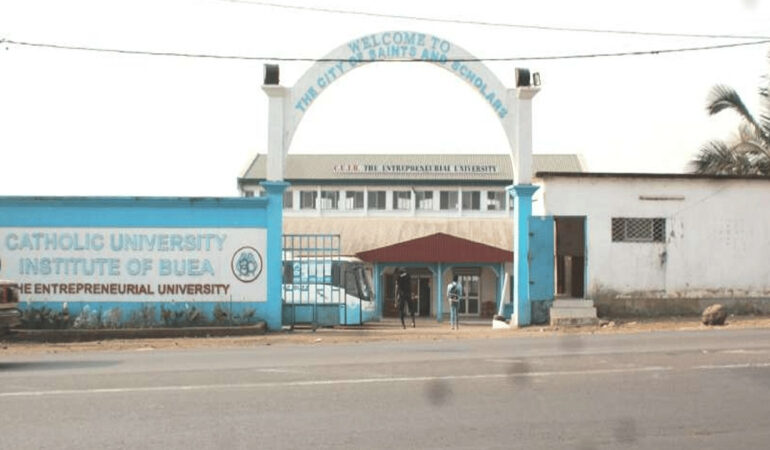

The release of Father John Berinyuy Tatah after two weeks in separatist captivity has brought a wave of relief across the Archdiocese of Bamenda, offering a brief moment of hope in a region long marked by instability. The priest, who serves as Vice Chancellor of the PAX University Institute in Bamunka, had been abducted along with several other clergy members on November 15 while traveling for the inauguration of the new university site. His return on December 2 prompted widespread celebration among local Catholics, many of whom had spent days in prayer and uncertainty. Shortly after regaining his freedom, he appeared in a video urging renewed national efforts toward peace in Cameroon’s Anglophone regions. His reflection highlighted the fragility of life in communities where violence has become routine and where simple acts of pastoral service can place clergy at risk. His appeal for dialogue illustrated how Church leaders continue to emphasize reconciliation even as tensions persist.
In his message, Father Tatah called for meaningful steps toward resolving the conflict, noting that dialogue remains the only path toward restoring justice and stability. He invited human rights organizations, international institutions and the Church to strengthen efforts that could lead to long term peace, urging cooperation between civil society and religious leadership. He specifically appealed to Archbishop Andrew Fuanya Nkea of Bamenda and to Pope Leo XIV to help encourage conversations that prioritize justice and mutual understanding. Archbishop Nkea confirmed the priest’s safe return and acknowledged the pain and uncertainty endured during his captivity. He expressed gratitude to the Christian community for their prayers, describing the experience as a stark reminder of the daily realities faced by those living in conflict zones. The situation reflects a growing pattern of clergy being targeted in the region, a worrying trend that challenges both pastoral work and community cohesion.
Kidnappings have become increasingly frequent in Cameroon’s Anglophone areas, where separatist groups often seize civilians, clergy and students to finance operations or exert pressure on local authorities. Recent reports from international conflict monitoring organizations show that more than four hundred fifty ransom kidnappings were recorded in 2023, more than double the number from the previous year. Analysts attribute the rise in abductions to dwindling external funding for separatist groups, prompting an alarming shift toward kidnapping as a primary means of sustaining their activities. Although it remains unclear whether a ransom was paid for Father Tatah’s release, Archbishop Nkea reiterated that the Church does not support ransom payments and continues to advocate for nonviolent solutions. For many Catholics, the priest’s safe return is both a moment of joy and a reminder of the instability shaping daily life in the region. His renewed plea for dialogue echoes a broader desire for reconciliation rooted in the Church’s longstanding commitment to peacebuilding amid conflict.