

Canada Court Weighs Euthanasia Mandate at Catholic Hospitals


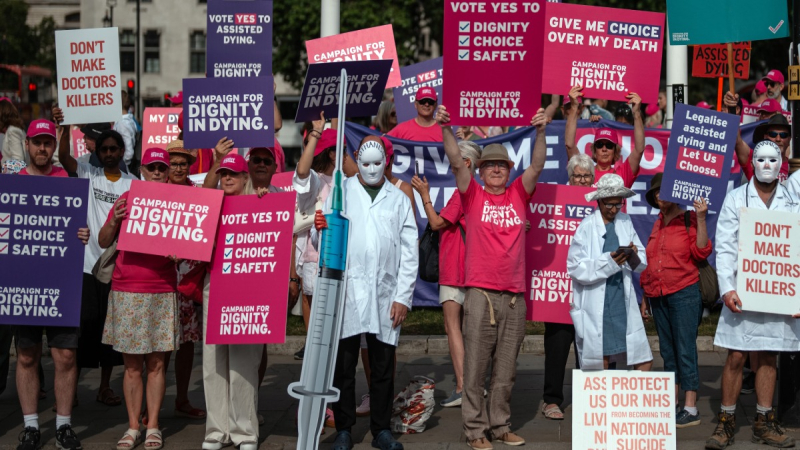
A legal challenge before the British Columbia Supreme Court is set to test whether faith based hospitals in Canada can be compelled to provide euthanasia on site, raising significant questions about religious freedom, institutional autonomy, and end of life care. The case centers on St. Paul’s Hospital in Vancouver, a Catholic facility operated by the Providence Health Care Society, and arises from the transfer of a terminally ill patient to another institution in order to access medical assistance in dying. Family members argue the transfer caused avoidable suffering and claim that allowing religious hospitals to opt out of euthanasia violates the Canadian Charter of Rights and Freedoms. The trial, scheduled to run through early February, does not challenge the legality of euthanasia itself but focuses on whether publicly funded faith based institutions may maintain spaces free of the practice.
At the heart of the defense is a longstanding agreement between the provincial government and denominational health providers. The 1995 Master Agreement formally recognizes the right of religious institutions to preserve their spiritual identity and sets out procedures for handling services incompatible with that identity through patient transfer. Supporters of this pluralistic model argue it protects diversity within Canada’s health care system by allowing patients to choose care environments aligned with their values. The case names multiple defendants, including the provincial Ministry of Health and the Vancouver Coastal Health Authority, and is being closely watched for its potential impact on Catholic and other faith based health facilities nationwide.
The debate has drawn a wide range of interveners reflecting deep divisions over conscience rights and access to care. Groups advocating for institutional religious freedom argue that hospitals, like individuals, possess collective moral identities that deserve legal protection. Medical and life advocacy organizations contend that forcing euthanasia into all care settings risks eroding safeguards for vulnerable patients and undermining the ethical foundations of medicine. Others argue that patients have a legitimate interest in accessing health services without being transferred, particularly at the end of life, and that publicly funded institutions should not claim exemptions based on religious identity.
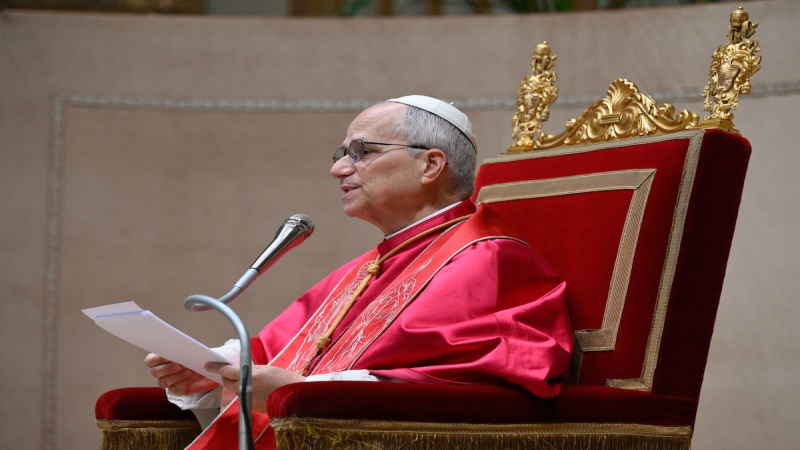
The Catholic bishops of Canada have repeatedly reaffirmed opposition to euthanasia in Catholic health care settings. Canadian Conference of Catholic Bishops has stated that assisted suicide cannot be reconciled with Catholic teaching on the sanctity of life. J. Michael Miller has emphasized that the Church has drawn a clear boundary, insisting that Catholic hospitals will not participate in euthanasia even as they continue to provide palliative care and accompaniment to the dying. The bishops maintain that transferring patients for procedures incompatible with Catholic ethics respects both patient choice and institutional conscience.
The ruling will come as British Columbia proceeds with construction of a new St. Paul’s Hospital complex, a project the provincial government has said will retain its Catholic identity. As evidence and testimony unfold, the court’s decision is expected to shape the future of denominational health care across Canada, determining whether conscience protections for religious institutions can coexist with expanding interpretations of access rights. For supporters and critics alike, the case represents a defining moment in the evolving relationship between state policy, medical ethics, and faith based public service.