

African Catholic leaders have issued a landmark appeal for fundamental reform in water governance across the continent, describing the crisis not as one of scarcity but of injustice and mismanagement. Cardinal Fridolin Ambongo of Kinshasa, president of the Symposium of Episcopal Conferences of Africa and Madagascar, has emerged as a leading voice behind the 2026 Addis Ababa Confessional Declaration on Sustainable Water Resources and Sanitation.
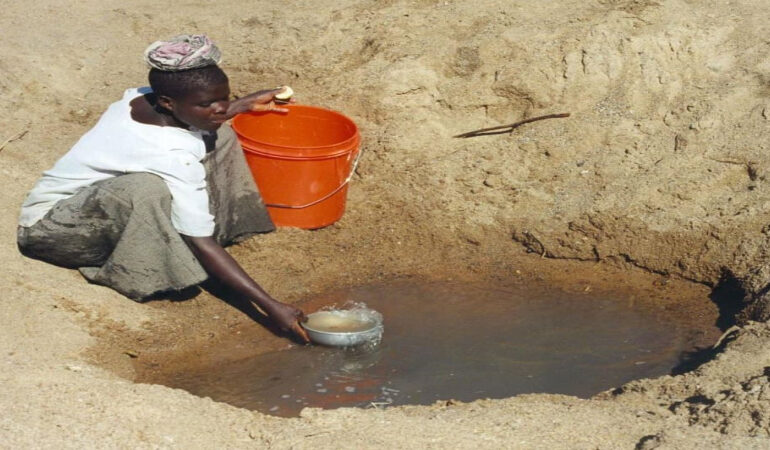
The declaration was developed during a high level African Union side event and comes as the continent prepares to implement the Africa Water Vision 2063 and Policy. With an estimated 319 million people in sub Saharan Africa lacking reliable access to safe drinking water, faith leaders argue that structural inequality and poor management are denying millions a resource essential for life and development.
Cardinal Ambongo described water and sanitation as ethical and spiritual realities tied to human dignity and sustainable prosperity. He emphasized the unique role of faith based organizations, noting that the Catholic Church maintains a strong presence in remote areas where state institutions often have limited reach. Through parish networks and pastoral workers embedded in local communities, the Church gathers first hand insight into daily struggles that may not be visible at diplomatic or policy levels.
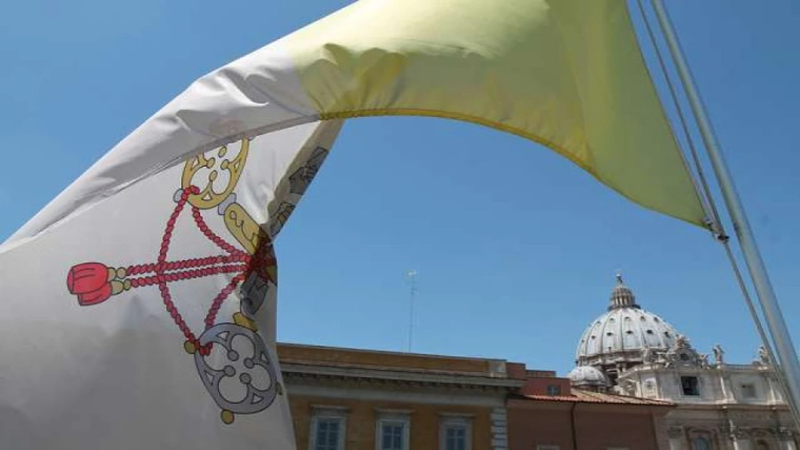
The declaration calls water a shared natural heritage and a common good entrusted to humanity. It urges African governments and institutions to prioritize equity, intergenerational justice, and care for the most vulnerable in water governance. Participants at the Addis Ababa gathering included representatives of the African Union Commission, the Holy See, civil society organizations, academic experts, private sector innovators, and development partners.
Speakers highlighted that access to clean water and sanitation is fundamental to health, education, agriculture, and economic productivity. Without reliable water systems, communities face heightened risks of disease, poverty, and social instability. The declaration therefore frames water management not merely as a technical issue but as a moral imperative that intersects with peacebuilding and environmental stewardship.
The faith leaders proposed the creation of a permanent African Union platform dedicated to religious engagement on sustainable water and sanitation. They also encouraged national governments to integrate ethical considerations into policy planning and to ensure the participation of women, youth, and local communities in decision making processes.
African Union officials described the current moment as a turning point, linking water security to long term economic transformation and regional cooperation. With many major water basins crossing national borders, collaboration is increasingly seen as essential to avoid conflict and promote shared prosperity.
By aligning moral advocacy with continental policy frameworks such as Agenda 2063, Cardinal Ambongo and other faith leaders are seeking to ensure that water governance in Africa is guided not only by technical expertise but also by principles of justice, solidarity, and human dignity.