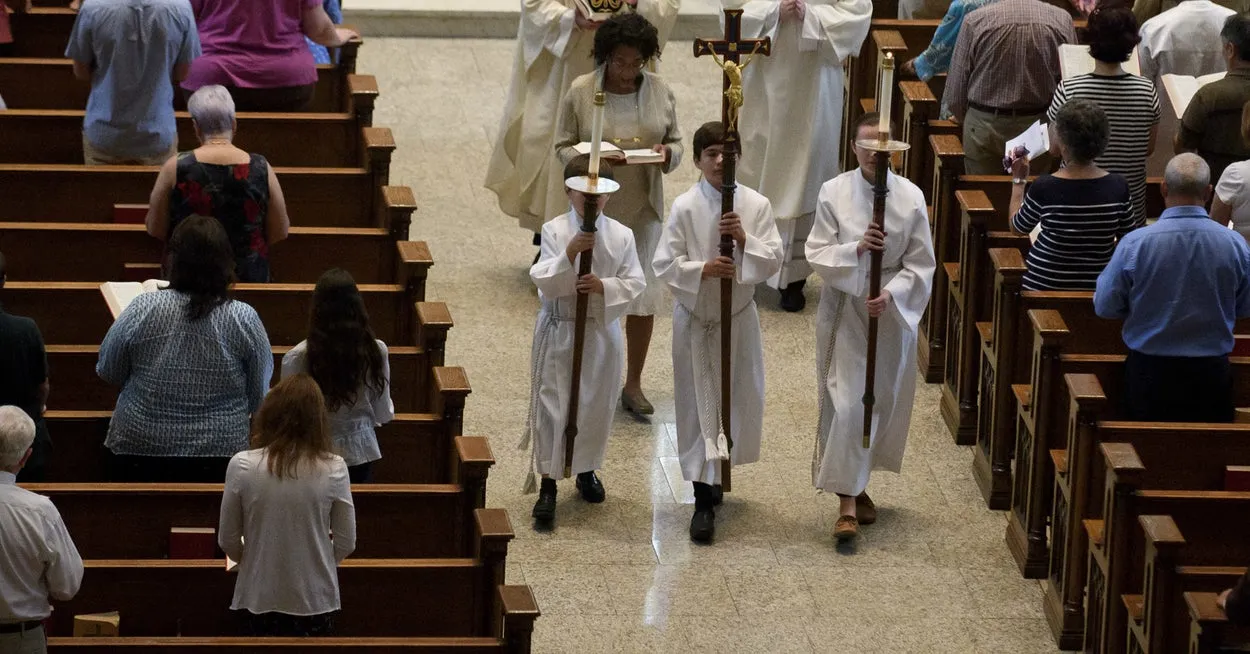

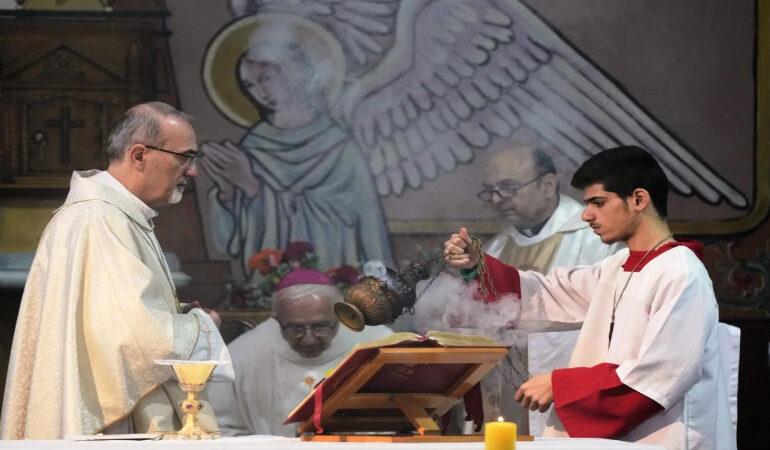

In a rare and symbolic gesture amid ongoing devastation, Pierbattista Pizzaballa, the Latin Patriarch of Jerusalem, celebrated a Christmas season Mass at the Holy Family Catholic Church in Gaza City, the territory’s only Catholic parish. The liturgy gathered dozens of Palestinian Christians who remain in the enclave after months of conflict, offering a moment of spiritual stability in an environment shaped by loss and displacement. The Mass included the baptism of an infant, an act that quietly underscored continuity of life despite surrounding destruction. The church compound itself carries visible scars from the war, having been struck by shell fragments earlier this year, an incident that resulted in civilian deaths and deepened fear among the local population. The celebration unfolded under tight constraints, yet it conveyed a sense of presence and solidarity that extended beyond ritual, reflecting the Church’s determination to remain with its people even in the most fragile circumstances.
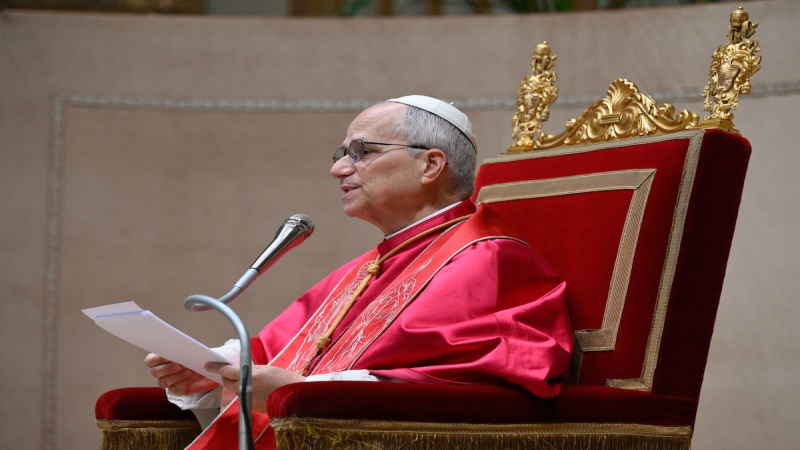
Cardinal Pizzaballa’s visit marked his fourth journey to Gaza since the outbreak of the war and was accompanied by meetings with families living in displacement camps, visits to hospitals, and encounters with humanitarian workers struggling under severe shortages. Addressing parishioners, he acknowledged the precariousness of their situation, noting that survival alone can no longer be the sole objective. His message emphasized responsibility and agency, encouraging the local community to see themselves as participants in rebuilding social and spiritual life rather than passive subjects of global decisions. By invoking the spirit of Christmas as one of light, tenderness, and growth, the Patriarch framed faith as a resource for renewal rather than escape. His words resonated in a place where basic infrastructure remains damaged and uncertainty dominates daily existence, yet where the Christian presence continues to serve as a moral and humanitarian reference point for the wider population.
The Mass took place against a broader backdrop of political developments that continue to shape realities across the Holy Land. On the same weekend, Israel approved additional settlement expansions in the occupied West Bank, a move widely criticized as undermining prospects for a future Palestinian state and further entrenching division. For Gaza’s small Christian community, these parallel developments reinforce a sense of isolation from diplomatic processes that determine their future without their participation. Yet the Christmas celebration carried significance precisely because it resisted despair, asserting continuity of faith amid fracture. The presence of the Church in Gaza during the season traditionally associated with peace highlighted a tension between the promise of reconciliation and the persistence of conflict. In that space, the liturgy functioned not as a political statement but as a quiet affirmation of human dignity, resilience, and hope sustained under extreme pressure.