Cardinal Parolin Calls for Global Unity to Protect Children’s Dignity in the Age of Artificial Intelligence
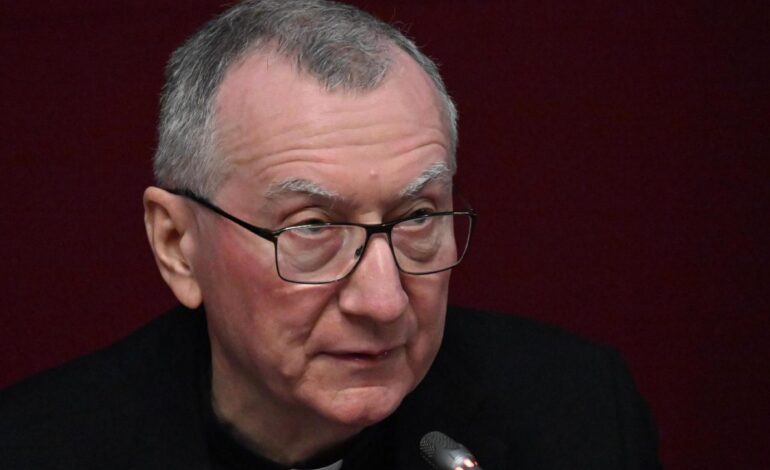

Cardinal Pietro Parolin, Vatican Secretary of State, has issued a powerful appeal for global cooperation to ensure that advances in artificial intelligence serve humanity rather than endanger it. In a message to participants at the international conference “The Dignity of Children and Adolescents in the Age of Artificial Intelligence,” held in Rome, the cardinal warned that the unchecked creation of artificial life forms that ignore human dignity could lead humanity toward its own destruction.
The conference, organized by Telefono Azzurro, Italy’s national child protection helpline, and the Foundation Child for Study and Research into Childhood and Adolescence, brought together leading academics, scientists, and technology experts to discuss the ethical challenges that AI poses for the younger generation.
Cardinal Parolin’s message centered on the urgent need to defend the dignity and rights of children in a rapidly evolving digital world. “Are we standing at the threshold of a new era,” he asked, “or will human beings bring about their own extinction through artificial forms of life that no longer recognize human dignity?” He invited participants to reflect deeply on the ethical, legal, social, and anthropological implications of AI and its influence on childhood and society.
While acknowledging the immense opportunities that science and technology can bring, the cardinal cautioned that innovation must never come at the cost of humanity’s moral and spiritual foundation. “The progress of artificial intelligence raises existential and moral questions on a scale rarely seen before,” he said. “It challenges us to reconsider what it means to be human and how to preserve the freedom and responsibility that define our nature.”
Cardinal Parolin highlighted that children are among the most vulnerable to the effects of digital transformation. He described their protection as “one of the greatest challenges facing humanity today and in the future,” emphasizing the Church’s commitment to promoting technologies that foster the development and well-being of young people.
He encouraged participants to evaluate both the opportunities and the dangers of digital progress, calling for a shared ethical vision that promotes human flourishing. “We must examine how the digital age can benefit the human community and creation as a whole,” he said. “Such reflection will guide responsible action in areas like politics, lawmaking, education, and social services.”
The cardinal underscored that addressing these challenges requires cooperation across disciplines, cultures, and religions. “Only through interdisciplinary and multicultural collaboration can we truly understand the complexity of this issue and respond to the diversity of human realities,” he said.
In closing, Cardinal Parolin echoed the words of Pope Francis, who in 2017 told participants at the World Congress on Child Dignity in the Digital World that “we have the freedom needed to limit and direct technology.” The cardinal reminded listeners that technology should always remain at the service of humanity, guiding society toward “a form of progress that is healthier, more human, more social, and more integral.”
As artificial intelligence continues to reshape daily life, Cardinal Parolin’s message stands as both a warning and an invitation: a call to use innovation wisely, protect the most vulnerable, and ensure that technological progress always upholds the dignity and sanctity of human life.