
Cardinal Parolin Calls for Silencing of Weapons at Centenary of Military Ordinariate
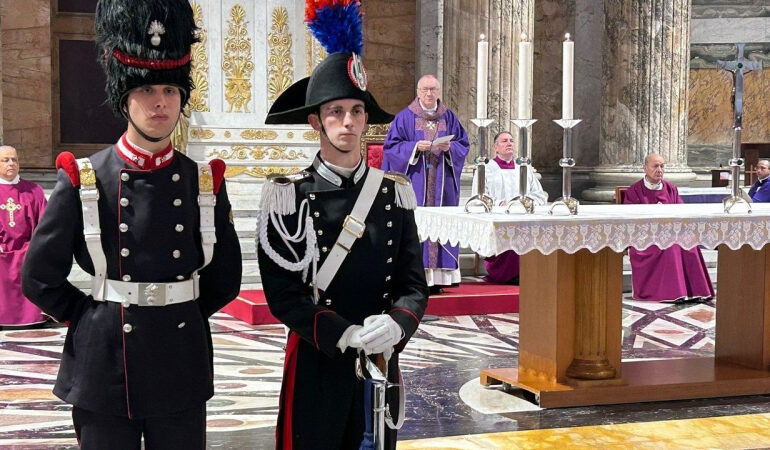

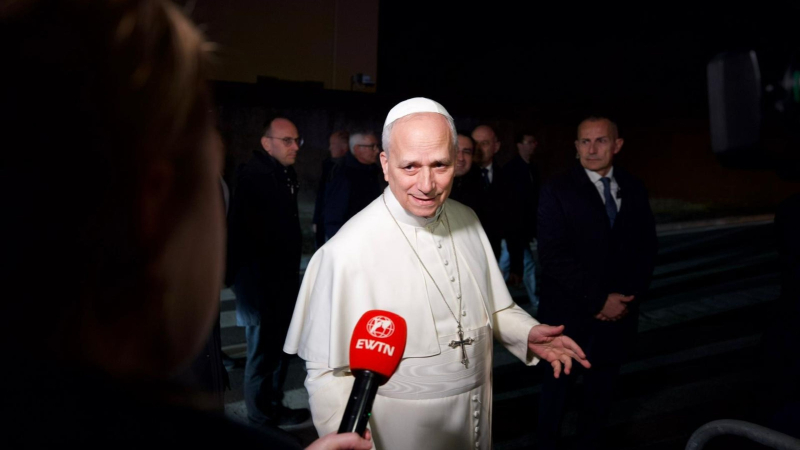
Cardinal Pietro Parolin has called for an end to violence and a renewal of moral responsibility within military life, urging that God silence weapons and reconcile humanity. The Vatican Secretary of State delivered the appeal during a Mass at the Basilica of Saint Paul Outside the Walls on March 3, marking the 100th anniversary of the Military Ordinariate for Italy.
Established in 1926, the Military Ordinariate was created to provide spiritual and pastoral care to members of the Italian armed forces and their families. Representatives of the Carabinieri, the Italian Army, the Guardia di Finanza, the Air Force, and the Navy were present for the celebration, reflecting the broad reach of the Ordinariate’s mission within Italy’s defense institutions.
In his homily, Cardinal Parolin addressed the global climate of conflict and uncertainty, praying that the Lord silence the weapons and reconcile humanity. His words come at a time when multiple regions face ongoing wars and geopolitical tensions, placing renewed attention on the ethical dimension of military service.
Drawing from the Gospel of Matthew, the Cardinal reflected on the conduct of the Pharisees, presenting it as a moral mirror for chaplains serving in military contexts. He emphasized that the message of the Gospel is not an accusation directed at others but a standard for personal conduct. Authority, he explained, must be expressed through service rather than domination, and presence must guide rather than seek attention.
The Cross, he said, remains the paradigm of Christian authority. Within today’s international context, marked by complex ethical challenges, this vision provides orientation for chaplains who accompany soldiers in environments shaped by discipline and high responsibility. The Church, Cardinal Parolin stressed, does not promote a naive pacifism but works to build a culture of peace grounded in justice, dialogue, and the protection of fundamental rights.
He identified inconsistency as a first rupture highlighted in the Gospel narrative and encouraged military chaplains to embody silent consistency. This includes listening without judgment, supporting without intrusion, and speaking of God without moralism. In military settings where duty already carries heavy burdens, the Church’s presence should not add weight but offer discernment and spiritual breathing space.
Conscience, described in the Second Vatican Council’s Gaudium et Spes as the most secret core and sanctuary of the human person, was central to his reflection. The Church’s responsibility, he noted, is to safeguard and enlighten this inviolable space. In contexts of danger, sacrifice, and separation from family, the faithful presence of chaplains becomes a sign of the Church’s maternal care.
Cardinal Parolin also warned against the temptation of visibility and image seeking. The true vocation of the Ordinariate, he said, lies not in strengthening structures or public profile but in forming mature discernment capable of uniting loyalty to the State with respect for the inviolable dignity of every person, even in the heart of conflict.