
Cardinal Radcliffe Says Ukraine’s Suffering Reflects the Pain of the Whole World
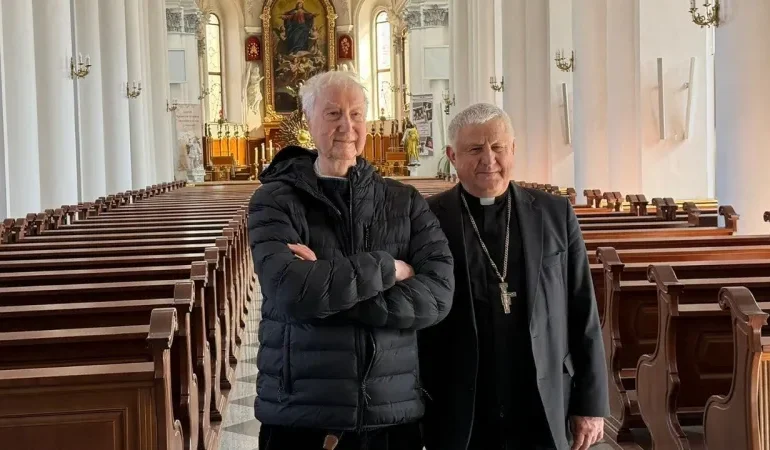

Cardinal Timothy Radcliffe has concluded a pastoral visit to Ukraine, describing the suffering caused by the ongoing war as a tragedy that affects the entire global community. The Dominican cardinal traveled across several Ukrainian cities to express solidarity with local Catholic communities and religious orders serving people in areas heavily affected by conflict. Beginning his journey in Kyiv on February 27, Radcliffe visited parishes hospitals and charitable missions where clergy and volunteers continue to support civilians despite the dangers of war. His visit highlighted both the devastation experienced across the country and the resilience of people determined to rebuild their lives.
During the journey the cardinal met wounded soldiers in a military hospital in Kyiv and spoke with medical staff caring for those injured in the conflict. He also visited St Martin’s Mission in the town of Fastiv where volunteers provide assistance to vulnerable families and children. Radcliffe described the dedication of local volunteers as a powerful sign of hope amid the destruction. He later traveled to Kherson, an area close to the front lines where much of the local population has been displaced. The cardinal said the city revealed the deep impact war has on community life as only a small number of elderly residents remain.
Despite the hardship Radcliffe said he repeatedly encountered courage among Ukrainians who continue to support one another. In Kherson he witnessed volunteers preparing bread for residents, an experience that he connected to the prayer for daily bread found in Christian tradition. At the same time the presence of drones and the constant threat of attack reminded him of the fear many civilians face every day. He explained that the people living in these areas endure intense pressure and exhaustion yet still strive to maintain dignity and solidarity with their neighbors.
The cardinal also traveled to Odesa where he was welcomed by Bishop Stanislav Shyrokoradiuk of the Odesa Simferopol diocese. Later he visited Kharkiv near the border with Russia where the destruction caused by fighting remains visible across the city. There he encountered the work of religious sisters supporting single mothers and their children. Radcliffe said meeting these families left a deep impression on him because many of the children have grown up surrounded by uncertainty and fear. The presence of the sisters he noted has helped create spaces of joy and stability for those struggling to cope with the consequences of war.
Throughout his visit Radcliffe met with members of several religious communities including Dominicans Carmelites Basilian Fathers and the Orionist Sisters. He said the mission of religious life becomes especially meaningful during times of conflict because it reminds society of the importance of fraternity and solidarity. According to the cardinal religious men and women serve as a sign that humanity is called to unity rather than division. He said their presence among communities suffering from violence reflects the Church’s commitment to remain close to those who endure hardship.
Reflecting on the broader meaning of the conflict Radcliffe emphasized that the war in Ukraine should not be seen as a struggle affecting only one nation. He said the suffering experienced by Ukrainian families carries global implications because it raises fundamental questions about freedom peace and the future of democratic societies. In his view the international community must recognize that the people of Ukraine are not distant strangers but brothers and sisters whose pain calls for compassion and solidarity from the wider world.
The cardinal also addressed the role of faith in sustaining hope during moments of fear and uncertainty. He said the Christian tradition teaches that hope can remain present even when circumstances appear bleak. According to Radcliffe the celebration of the Eucharist reminds believers that peace and reconciliation remain possible even after prolonged violence. He warned against the belief that conflicts can be solved through force and urged nations to seek solutions based on dialogue and recognition of shared human dignity.