


Cardinals Highlight Need for Administrative Modernization Ahead of Long Term Strategic Planning


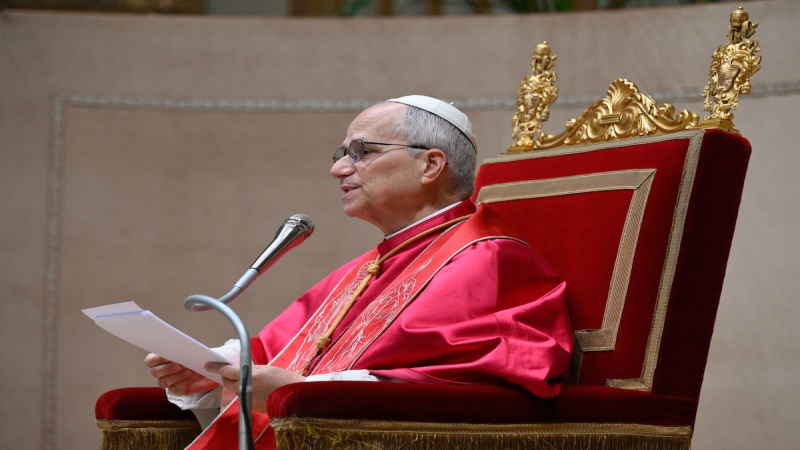
Cardinals involved in overseeing key administrative functions of the Holy See are emphasizing the importance of modernization as the Vatican prepares for long term strategic planning. Their recent discussions point to the need for more efficient coordination, improved communication and updated operational frameworks capable of supporting the Church’s global mission. With responsibilities expanding across pastoral, humanitarian and diplomatic areas, Church leaders believe enhanced administrative structures are essential for sustaining stability and effectiveness.
The call for modernization reflects a growing awareness that outdated systems can hinder decision making and limit the Church’s responsiveness to emerging challenges. Cardinals are encouraging a comprehensive review of administrative processes to ensure that they align with contemporary standards of governance. Their focus includes strengthening internal collaboration, improving technology use and ensuring that resources are managed with clarity and accountability.
Strengthening internal coordination to support global mission
One of the central points raised by the cardinals is the need for improved coordination among various Vatican offices. As the Church operates across multiple continents, effective communication is crucial for implementing policies and supporting local communities. Enhanced coordination helps avoid duplication of efforts and ensures that initiatives reflect the Church’s pastoral priorities.
Cardinals emphasize that streamlined communication channels can help the Vatican respond more quickly to global issues such as humanitarian crises, diplomatic developments or the needs of local dioceses. Coordination also supports transparency, allowing leadership to maintain a clear overview of administrative and pastoral activities. This unified approach strengthens the Church’s ability to serve the faithful worldwide.
Updating operational frameworks for greater efficiency
Another key aspect of modernization involves evaluating and updating administrative frameworks that have been in place for many years. Cardinals note that organizational structures must remain adaptable to changing circumstances. This includes revising procedures that slow decision making or limit collaboration across departments.
Efforts to modernize operations may involve updating workflows, reviewing reporting standards and improving the flow of information between leadership and staff. These adjustments can help create an administrative environment that supports efficiency while honoring the Church’s mission. Cardinals hope that such reforms will make the Vatican more capable of addressing contemporary challenges with clarity and purpose.
Expanding the use of technology in governance
Cardinals also highlighted the importance of integrating appropriate technological tools into administrative processes. Modern governance relies heavily on digital systems for communication, data management and information sharing. The Vatican’s efforts to incorporate technology can help improve organizational accuracy, enhance security and simplify routine tasks.
Technology also supports long term planning by providing more reliable data for evaluating needs and measuring progress. Improved digital systems can facilitate collaboration between Vatican offices and local dioceses, helping them coordinate initiatives more effectively. Cardinals stress that thoughtful use of technology must always respect privacy and uphold the Church’s ethical commitments, while also improving day to day governance.
Ensuring responsible stewardship of resources
Administrative modernization also includes strengthening financial and operational oversight. Cardinals emphasize that responsible stewardship is foundational to maintaining trust among the faithful and supporting the Church’s global mission. Modernized systems can help ensure that resources are used effectively and that procedures remain transparent.
This includes updating budgeting methods, improving audit processes and maintaining clear documentation. Cardinals believe that strong stewardship reflects the moral responsibility associated with managing Church resources. By reinforcing accountability, the Vatican aims to support long term sustainability and more effective allocation of funds.
Conclusion
The call from cardinals for administrative modernization underscores the importance of preparing the Vatican for long term strategic planning. By improving coordination, updating operational frameworks, integrating technology and strengthening stewardship, Church leaders aim to create an administrative foundation capable of supporting the Church’s mission in a rapidly changing world.