

Caritas Bangladesh urges global action to defend human dignity on anti trafficking day

Caritas Bangladesh has renewed its call for a worldwide commitment to defending human dignity as it marked the International Day of Prayer and Awareness against Human Trafficking, observed each year on February 8. The organization stressed that combating trafficking requires sustained service, compassion and coordinated action at local, national and global levels.
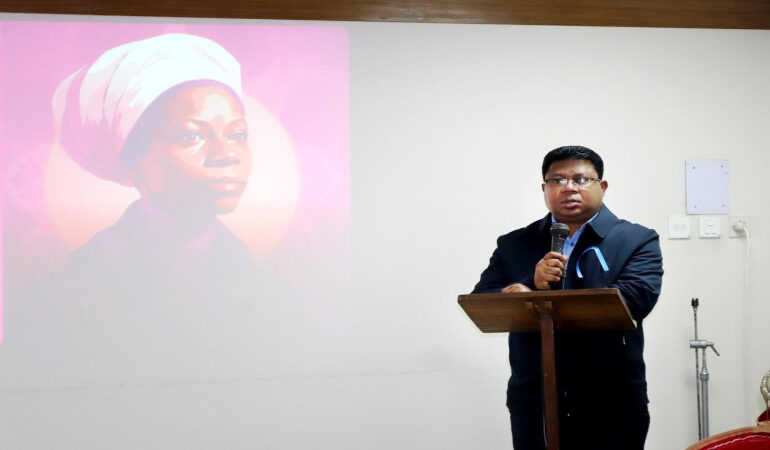
The observance took place at the central office of Caritas Bangladesh in Dhaka under the theme Peace Begins with Dignity A Global Call to End Human Trafficking. Church leaders, social workers and activists gathered to reflect on the human cost of trafficking and to highlight practical efforts aimed at prevention, protection and rehabilitation of victims.
The international day coincides with the liturgical memorial of Saint Josephine Bakhita, a former victim of human trafficking who later became a religious sister and a powerful symbol of resilience and hope. Speakers at the Dhaka event recalled her life story as a reminder that dignity can be restored even after severe exploitation.
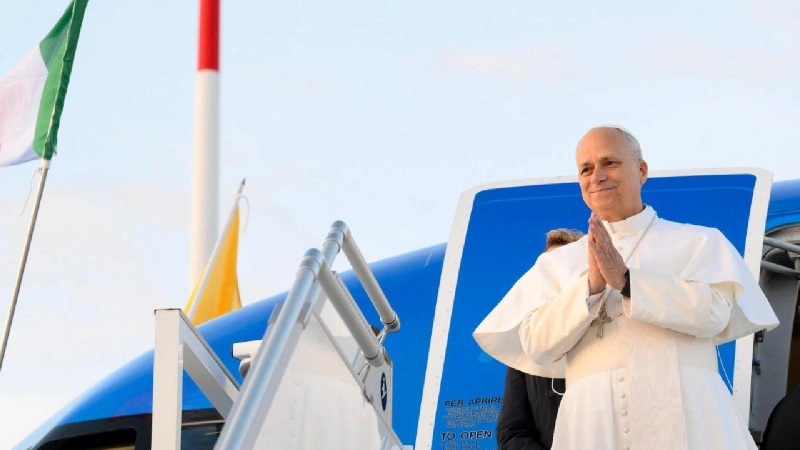
During his Sunday Angelus, Pope Leo XIV also marked the occasion, thanking religious communities and all those working to eradicate modern forms of slavery. He emphasized that peace begins with dignity and urged continued solidarity with victims of trafficking worldwide.
Bangladesh remains under scrutiny for its handling of trafficking crimes. According to the 2025 Trafficking in Persons report issued by the United States Department of State, the country is ranked Tier 2, meaning it is making significant efforts but still falls short of full compliance with international standards. The report acknowledged improvements such as better training for frontline officials, increased identification of victims and more referrals to protection services.
At the same time, the report pointed to serious gaps. Fewer traffickers were investigated, prosecuted and convicted, while internal trafficking for forced labor, child labor and sexual exploitation remained widespread. Labor inspection in informal sectors was described as weak, and protection for vulnerable groups, including Rohingya refugees and returning migrant workers, was found to be insufficient.
Caritas Bangladesh executive director Daud Jibon Das said trafficking thrives where poverty and lack of opportunity persist. He explained that Caritas focuses on education, skills training and awareness campaigns, particularly in border and coastal regions, to reduce vulnerability. By helping people become self reliant, he said, communities are less likely to fall into the traps set by traffickers.
The global anti trafficking network Talitha Kum is also active in Bangladesh, working closely with schools, youth groups and religious institutions. Sister Josephine Rozario, the national coordinator, said poverty fuels not only trafficking but also forced marriage and child marriage. She noted that traffickers often target children and young people from impoverished families, both within Bangladesh and abroad.
Organizers said the day’s message was clear. Ending human trafficking requires more than awareness. It demands long term commitment, stronger protection for victims, accountability for perpetrators and a shared determination to place human dignity at the center of social and economic life.