
Catholic Artists Revive Sacred Symbolism Through Digital Media and VR Exhibits
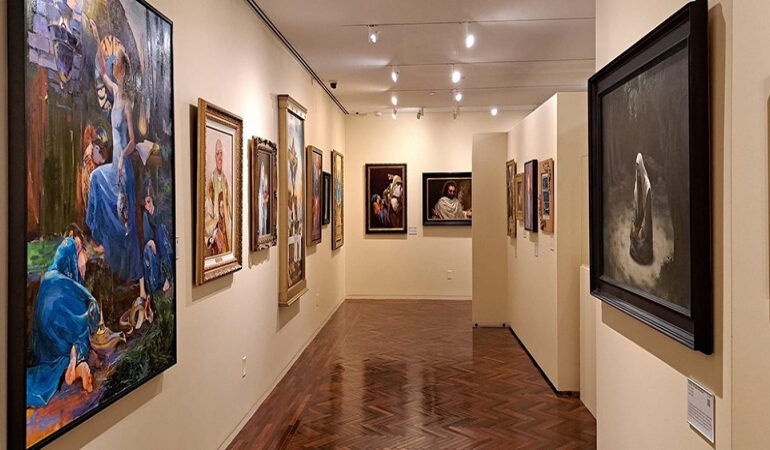

A growing movement of Catholic artists is embracing digital media and immersive technologies to reintroduce sacred symbolism to contemporary audiences. Virtual reality exhibits, interactive installations, and digital iconography are becoming creative channels through which ancient themes of faith are expressed in modern visual form. These developments reflect broader efforts to communicate Catholic tradition in ways that resonate with digital natives and reconnect viewers with the depth of spiritual imagery.
Artists and curators note that digital tools offer new opportunities for contemplation and engagement. Instead of replacing traditional art, these technologies provide different pathways for exploring themes such as incarnation, redemption, creation, and the communion of saints. As interest in immersive experiences expands across cultural institutions, Catholic creators are finding space to highlight spiritual meaning within a rapidly evolving artistic landscape.
Digital Technologies Renew Interest in Sacred Imagery
The most significant shift brought by digital media is the renewed engagement with sacred imagery among audiences who may not have regular contact with church art or liturgical spaces. Virtual reality exhibits allow viewers to step inside reconstructed chapels, illuminated manuscripts, or symbolic environments that reflect theological themes. These experiences make it possible to encounter traditional forms of spirituality in ways that feel accessible and dynamic.
Digital platforms also enable artists to reinterpret classical religious motifs through motion graphics, layered textures, and interactive elements. These reimagined works maintain theological integrity while presenting symbolic language in formats familiar to contemporary viewers. The result is an expanding visual vocabulary that brings together historical depth and technological innovation.
VR Exhibitions Bring Tradition Into Immersive Spaces
Virtual reality technology is creating new opportunities for sacred art to reach global audiences. Exhibits featuring digital renderings of historical architecture, liturgical settings, or symbolic landscapes allow viewers to engage with religious themes in three-dimensional environments. These immersive spaces can highlight details that might be overlooked in traditional formats and encourage reflective exploration.
Some projects focus on recreating significant moments in Christian history or presenting meditative journeys inspired by Scripture. Others use abstract and symbolic imagery to evoke themes of divine presence or spiritual transformation. VR platforms make it possible for individuals who cannot visit physical churches or museums to experience sacred art in meaningful ways.
Artists Blend Tradition With Contemporary Aesthetics
Many Catholic artists working in digital media draw inspiration from traditional iconography, illuminated manuscripts, and sacred architecture. By blending these elements with contemporary aesthetics, they create works that appeal to audiences familiar with visual styles found in animation, graphic design, and modern art. This synthesis allows spiritual symbolism to speak in fresh and culturally relevant ways.
These digital works often incorporate themes of light, movement, and harmony that correspond to traditional theological interpretations. Through color, form, and rhythm, artists explore spiritual truths while maintaining respect for the symbolic language that has shaped Catholic art for centuries. The combination of tradition and innovation reflects a desire to honor the past while engaging the imagination of a new generation.
Expanding Access Through Online Platforms and Community Collaboration
Another important development is the expansion of access through online galleries and collaborative projects. Artists are using social media, digital exhibitions, and interactive platforms to share their work with global audiences. These digital spaces allow viewers to explore sacred art at their own pace and provide forums where artists can discuss creative inspiration and theological insights.
Collaboration between artists, theologians, and cultural institutions enriches these projects. Working together, they ensure that digital representations maintain theological fidelity while exploring new forms of expression. Educational programs and workshops also help communities engage with sacred art through guided reflection and creative participation.
Conclusion
Catholic artists are revitalizing sacred symbolism through digital media and virtual reality, offering new ways for audiences to encounter spiritual themes and engage with the richness of tradition. Through immersive exhibits, blended aesthetics, and global accessibility, these creators are expanding the presence of sacred art in contemporary culture. Their work demonstrates how technology can support contemplation, inspire creativity, and foster renewed appreciation for the spiritual heritage of the Church.