

Catholic Artists Spotlight Sacred Imagery Revival in Digital Creative Movements
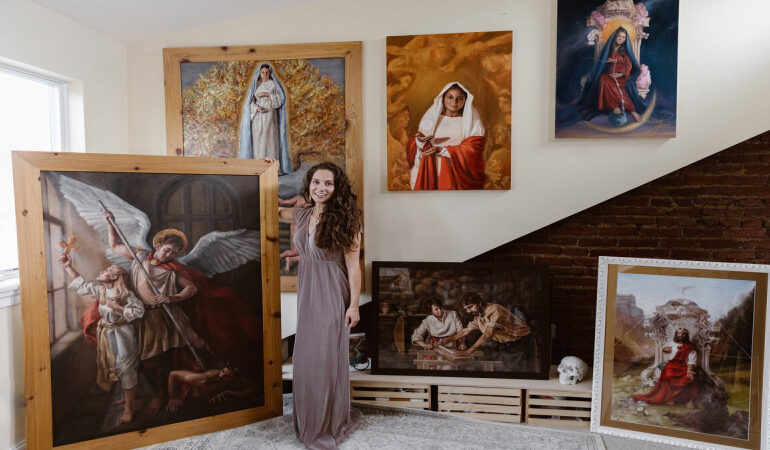

A growing number of Catholic artists are contributing to a revival of sacred imagery within digital creative movements, blending traditional theological themes with modern artistic tools. This trend has gained international attention as digital platforms allow artists to share work inspired by Scripture, liturgy, and devotional traditions. While sacred art has long played a significant role in Catholic culture, the digital environment is reshaping how artists create, collaborate, and engage audiences.
This renewed interest in sacred imagery reflects broader cultural shifts as many young adults seek meaningful content that communicates spiritual depth within modern visual formats. Artists who work in digital media note that the movement allows them to integrate faith with contemporary aesthetics while reaching communities that may not encounter sacred art in traditional settings.
Digital Platforms as Catalysts for Sacred Art Renewal
Digital environments have become central to the expansion of sacred art, offering tools that support both experimentation and accessibility. Artists use illustration software, 3D modeling, and animation tools to reinterpret themes such as the Incarnation, the Communion of Saints, and Marian devotion. These formats enable detailed visual expression while remaining faithful to theological meaning.
Online platforms also serve as distribution channels that help sacred art reach viewers beyond parish walls. Social media, virtual galleries, and independent websites have become common venues for artists to share their work with global audiences. This accessibility allows Catholic artistry to participate in wider conversations within creative communities and to showcase the richness of sacred tradition in easily shareable formats.
Data from digital art platforms show an increase in projects tagged with religious themes, including Catholic iconography. These patterns indicate that interest in sacred content is growing alongside broader trends in digital creativity. The Church’s historic emphasis on beauty as a path to evangelization aligns naturally with this cultural development.
Integrating Tradition With Contemporary Artistic Methods
Artists involved in the revival emphasize that digital creativity does not replace traditional art but adds new dimensions to it. Many creators combine classical techniques with digital methods, drawing inspiration from icons, Renaissance art, and historical manuscripts. This integration allows them to explore theological concepts in ways that are visually compelling and accessible to modern audiences.
Workshops and forums dedicated to sacred art have begun to include digital components, offering training for artists who want to engage with both historical techniques and new technologies. Facilitators highlight that digital mediums allow for precision, adaptability, and rapid revision, which support both professional and emerging artists. These tools can help artists create works that resonate across cultural contexts while remaining grounded in Catholic symbolism.
Some artists collaborate with parishes and dioceses to produce digital illustrations for catechesis, liturgical programs, and online evangelization initiatives. These collaborations show how digital sacred art can contribute to pastoral communication and support faith formation.
Engaging Younger Generations Through Visual Faith Expression
The revival of sacred art within digital spaces has been particularly influential among younger Catholics. Many young adults seek visual forms of expression that connect faith with personal creativity. Digital media provides a familiar environment where they can explore these themes without requiring access to traditional art studios.
Pastoral leaders note that digital sacred art often becomes a gateway for deeper engagement with Catholic tradition. Young artists who begin by creating devotional images for social media may later explore classical art history, liturgical symbolism, or theological interpretation. These connections help strengthen their understanding of the Church’s visual heritage.
In addition to individual artists, youth ministries and campus groups increasingly incorporate digital sacred art into retreats, workshops, and online outreach. This integration supports community building by encouraging participants to reflect on faith through creative activity.
Challenges and Opportunities in Digital Sacred Art
While the sacred imagery revival presents significant opportunities, artists also face challenges related to accuracy, representation, and the responsible use of visual symbolism. Some creators emphasize the importance of theological consultation to ensure that digital works communicate doctrinally sound content. Others highlight concerns about commercialization or the rapid circulation of images that may not reflect the reverence associated with sacred themes.
To address these issues, several Catholic art communities have developed guidelines encouraging respectful use of imagery, awareness of cultural diversity, and collaboration with scholars or clergy. These practices help support artistic freedom while maintaining fidelity to the spiritual meaning of sacred subjects.
Conclusion
The rise of sacred imagery within digital creative movements demonstrates how Catholic artists are revitalizing traditional themes through modern tools. By integrating theological insight with contemporary visual formats, these creators contribute to a renewed appreciation for sacred art across global digital platforms. Their work highlights the enduring power of beauty as a form of evangelization and fosters new opportunities for cultural engagement within the Church.