
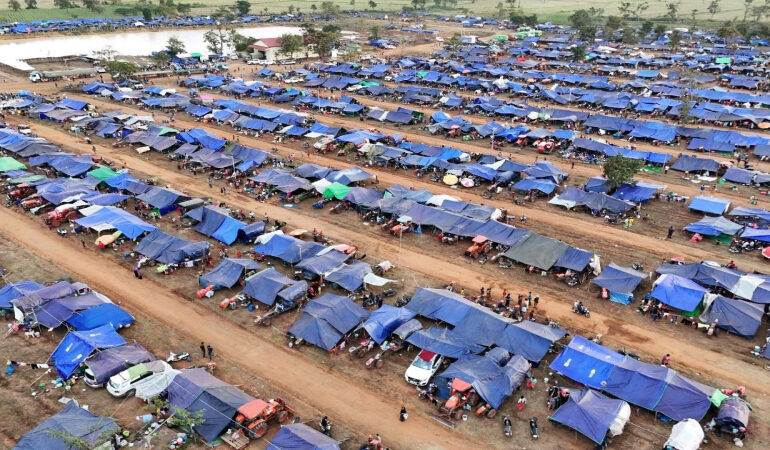

Catholic bishops in Thailand and Cambodia have raised serious concern over the escalation of violence along the two countries’ shared border, warning of mounting civilian harm and large scale displacement. Renewed clashes that began earlier this month have spread across multiple provinces, transforming what had been sporadic incidents into sustained fighting involving heavier weaponry. Church leaders described the situation as a dangerous escalation of a long standing dispute, noting that many affected areas are still recovering from earlier conflicts. Evacuation efforts have intensified as communities flee with little notice, leaving homes and livelihoods behind. Authorities report that hundreds of temporary shelters have been established across border districts as families seek safety, often arriving with only basic belongings and limited resources to withstand prolonged displacement.
The humanitarian impact has grown rapidly as fighting continues without clear signs of de escalation. Church statements indicate that casualties have been reported and that more than two hundred thousand people have been forced to leave their homes, placing significant strain on local infrastructure and relief networks. Conditions inside emergency shelters remain basic, though volunteer support and regular food distribution have helped stabilize the immediate situation. Catholic social organizations have been mobilized to respond, coordinating closely with diocesan structures and local authorities. Several churches near the border have been opened as temporary shelters, reflecting a broader effort by faith based institutions to provide immediate relief where public capacity is stretched. The emphasis from church leaders has remained on protecting civilians and preserving human dignity amid worsening insecurity.
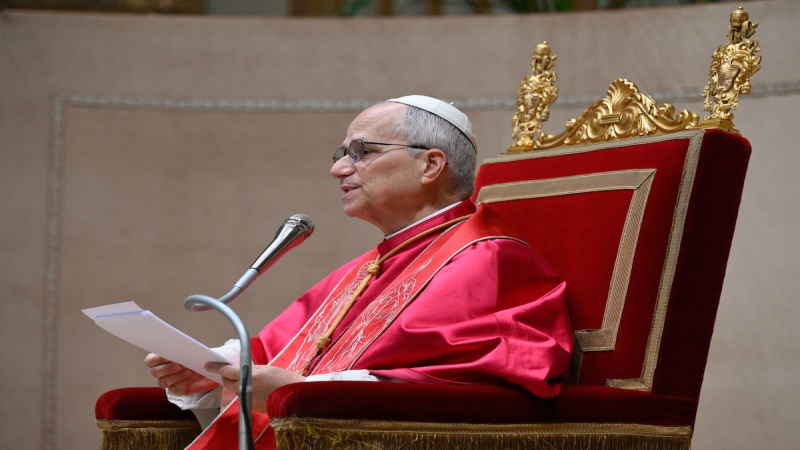
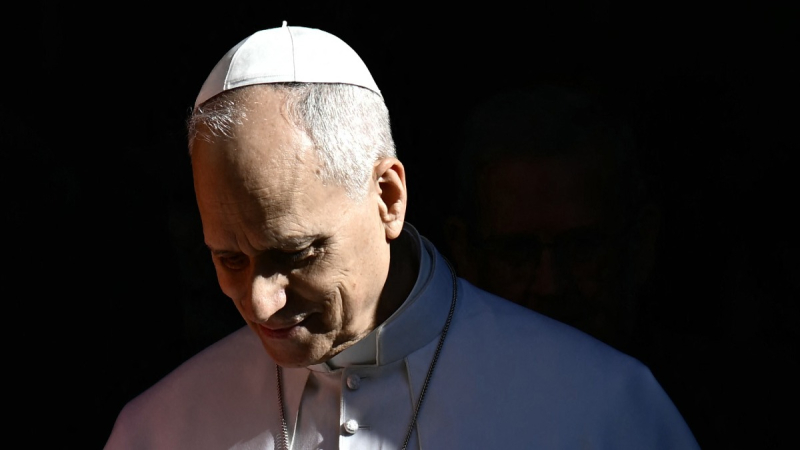
From a global church and justice perspective, the crisis has drawn attention at the highest levels of Catholic leadership. Pope Leo XIV has publicly expressed sorrow over the renewed violence, highlighting civilian suffering and calling for an immediate ceasefire and a return to dialogue. Bishops on both sides of the border have echoed this appeal, urging restraint and renewed commitment to peaceful resolution. Humanitarian agencies linked to the Church continue to expand assistance as displacement grows, while emphasizing that lasting relief depends on political engagement rather than emergency aid alone. The situation underscores how unresolved territorial disputes can quickly evolve into humanitarian emergencies, placing moral responsibility on regional and international actors to prioritize peace, civilian protection, and sustained dialogue over further militarization.