Catholic Communities in Africa Navigate Growth Amid Social and Political Pressures
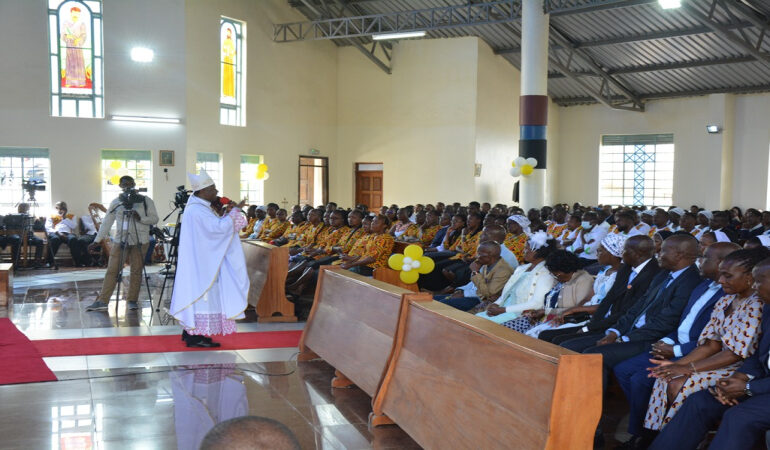

Catholic communities across Africa are experiencing one of the most significant periods of growth in the modern history of the Church. In many countries, parishes are expanding, vocations are increasing, and faith remains deeply woven into daily life. This growth has positioned Africa as a central pillar of global Catholicism at a time when participation is declining in parts of Europe and North America.
At the same time, this expansion is unfolding amid serious social and political pressures. Economic inequality, conflict, migration, and governance challenges shape the realities faced by many African Catholics. Church leaders and local communities are increasingly tasked with balancing spiritual formation with social responsibility, navigating an environment where faith is both a source of hope and a call to action.
Rapid Growth Reshaping the Global Church
The demographic growth of Catholicism in Africa has reshaped the global Church in visible ways. Large congregations, youthful populations, and vibrant parish life have become defining features in many regions. This growth has strengthened Africa’s influence within global Catholic discussions, particularly on issues of evangelization and pastoral priorities.
However, rapid expansion also brings logistical and institutional challenges. Parishes often struggle with limited resources, shortages of trained clergy, and demands for education and social services. Church leaders must address these pressures while ensuring that growth remains rooted in sound formation and sustainable structures.
Faith Communities as Social Anchors
In many African societies, Catholic parishes function as more than places of worship. They serve as centers for education, healthcare support, and community organization. Where public institutions are weak or underfunded, the Church often becomes a stabilizing presence that fills essential gaps.
This role places significant responsibility on local clergy and lay leaders. While faith communities offer hope and assistance, they must also navigate expectations that extend beyond their spiritual mission. Balancing pastoral care with social engagement remains an ongoing challenge, particularly in regions facing poverty or displacement.
Navigating Political Pressure and Conflict
Political instability and conflict continue to shape the environment in which African Catholic communities operate. In some regions, the Church is called upon to mediate tensions, advocate for peace, or defend human dignity amid violence and unrest. These situations require careful discernment to maintain moral authority without becoming entangled in partisan disputes.
Church leaders often face difficult choices when speaking out against injustice. Silence risks moral compromise, while vocal advocacy can invite backlash. Navigating this space demands wisdom, courage, and a commitment to the Church’s teachings on peace, justice, and reconciliation.
Youth, Vocations, and the Future of Leadership
Africa’s youthful population represents both an opportunity and a responsibility for the Church. Many young people actively participate in parish life, contributing energy and leadership potential. Vocations to the priesthood and religious life continue to emerge from diverse regions, strengthening the future leadership of the global Church.
Yet youth engagement also requires sustained investment. Education, formation, and employment opportunities remain critical concerns. The Church’s ability to guide young Catholics amid social change will play a key role in shaping its long term influence across the continent.
Maintaining Unity Amid Diversity
Africa is home to immense cultural, linguistic, and political diversity. Catholic communities reflect this complexity, adapting liturgy and pastoral practices to local contexts while remaining united in faith. Maintaining this balance is essential to preserving communion within the Church.
Local adaptation has allowed the faith to take deep root, but it also requires careful oversight to ensure doctrinal consistency. Church leaders continue to emphasize unity as a strength rather than a constraint, encouraging shared values while respecting cultural expression.
Conclusion
Catholic communities in Africa stand at the intersection of remarkable growth and profound challenge. Their expanding presence is reshaping the global Church, even as social and political pressures test resilience and leadership. By grounding faith in service, advocating for dignity, and investing in future generations, African Catholics continue to navigate these realities with commitment and hope. Their experience offers insight into how the Church can grow while remaining responsive to the complex needs of the societies it serves.