

Catholic Groups Warn US Climate Exit Signals Moral Retreat
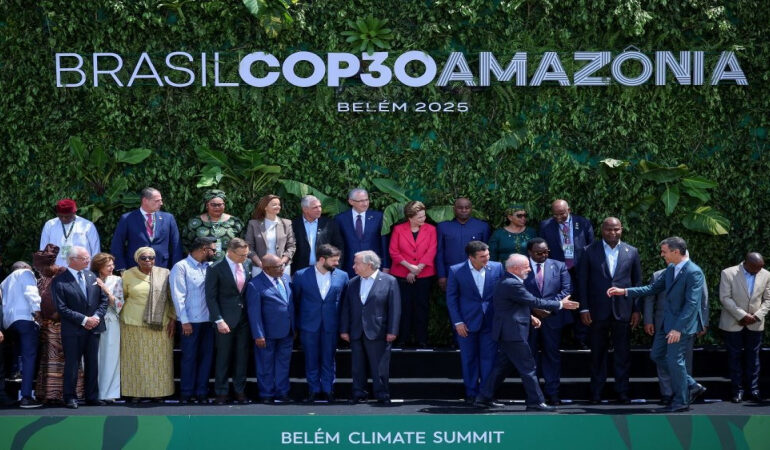

Catholic organizations and Church linked advocacy groups have sharply criticized the decision by the United States to begin withdrawing from the United Nations Framework Convention on Climate Change, describing the move as a retreat from moral responsibility at a moment of global ecological strain. The withdrawal order, signed by Donald Trump, directs the United States to exit dozens of international bodies, including the treaty that for more than three decades has anchored global cooperation on climate policy. Catholic leaders argue that abandoning the framework undermines efforts to protect vulnerable communities already affected by extreme weather, displacement, and food insecurity. They warn that the decision weakens international solidarity and distances the country from collective responses to environmental challenges that cross borders and generations.
The UN climate treaty, adopted in 1992 and ratified unanimously by the US Senate, provides the legal foundation for international climate negotiations, including the Paris Agreement. Catholic observers note that the United States, as the largest historical contributor to greenhouse gas emissions, carries a particular responsibility within the global system. Faith based groups stressed that climate change disproportionately affects the poor, migrants, and communities with the least capacity to adapt. By withdrawing, they say, the United States risks isolating itself while leaving developing nations more exposed to ecological harm. Several Catholic organizations framed the move not as a technical policy adjustment but as a moral decision with long term human consequences.
Church affiliated groups working at the United Nations emphasized that climate action is inseparable from Catholic social teaching on care for creation and the dignity of the human person. Representatives from missionary and justice focused organizations said they witness firsthand the effects of drought, flooding, and rising sea levels on communities they serve. They argue that stepping away from international cooperation does not reduce these realities but limits the tools available to address them. Catholic climate advocates also expressed concern over the withdrawal from scientific bodies that inform global understanding of climate risks, warning that sidelining science erodes the basis for prudent decision making in public life.
The criticism aligns with recent Vatican teaching that has consistently called for strengthened multilateral cooperation. Both Pope Francis and Pope Leo XIV have urged political leaders to resist short term national interest in favor of shared responsibility for the common good. In recent diplomatic messages, Leo XIV warned against approaches marked by collective selfishness and disregard for future generations. Catholic groups say the US decision stands in tension with those appeals and risks weakening global trust at a time when climate impacts are accelerating. While acknowledging the challenges of international governance, they maintain that disengagement carries moral costs that will be borne most heavily by the poor.