

Catholic Leaders Prepare Guidance for Voters as Key Nations Enter Crucial 2026 Election Cycles
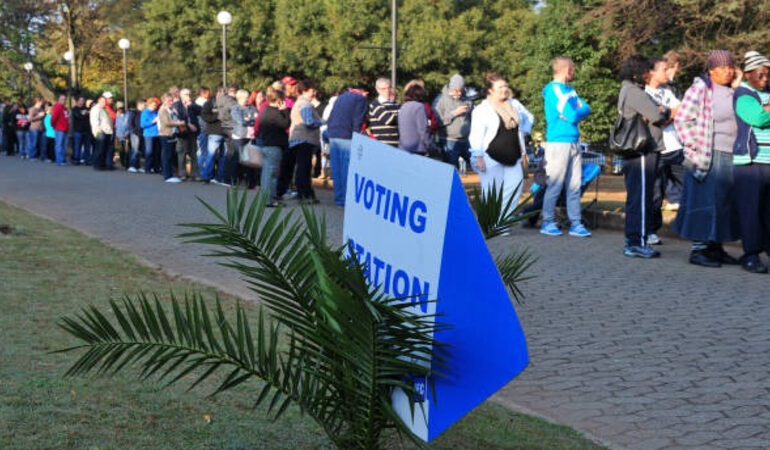

As multiple nations prepare for major elections in 2026, Catholic leaders are working to provide guidance for voters navigating increasingly complex political environments. Many bishops’ conferences, pastoral councils, and Catholic organizations are emphasizing the importance of forming conscience, evaluating policy proposals responsibly, and engaging in public life with integrity. Their efforts reflect a long-standing belief that civic participation is both a moral responsibility and an expression of commitment to the common good.
Political landscapes across the globe are being shaped by economic pressures, technological change, and shifting social attitudes. These factors create both opportunities and challenges for voters seeking clarity in their decision making. Catholic leaders note that the Church does not endorse candidates or parties but encourages discernment grounded in the dignity of the human person, the protection of life, and a commitment to justice and peace.
Key Themes Emerging in Voter Guidance for 2026 Elections
The most significant theme in current voter guidance is the call for Catholics to evaluate political choices through the lens of moral principles rather than partisan identity. Leaders emphasize that effective participation requires attention to policies affecting human dignity, economic fairness, environmental responsibility, and the protection of vulnerable populations. This approach encourages voters to consider how political decisions influence both local communities and global systems.
Another key theme is the importance of accurate information. Catholic educators and media ministries are highlighting the need for responsible engagement with political content, especially as misinformation spreads quickly through digital platforms. Leaders encourage voters to rely on credible sources, practice critical thinking, and avoid polarizing rhetoric that undermines respectful dialogue.
Encouraging Conscience Formation and Social Responsibility
Conscience formation remains central to the Church’s approach to political engagement. Catholic leaders stress that a well-formed conscience is essential for making decisions that contribute to justice and the common good. Formation includes prayer, study of Church social teaching, and reflection on how policies align with moral principles.
Many dioceses are offering workshops, pastoral letters, and educational programs that explore topics such as economic ethics, human rights, environmental stewardship, and the importance of peacebuilding. These resources help voters understand how Catholic teaching applies to public life and encourage thoughtful engagement with political issues that shape society.
Addressing Ethical Challenges in Digital Campaign Environments
One of the emerging concerns for the 2026 election cycles is the influence of digital platforms on political participation. Leaders are increasingly aware that misinformation, targeted advertising, and online polarization can distort public understanding and influence voter behavior. These issues pose challenges to fair democratic processes and raise ethical questions about how technology is used in elections.
Catholic institutions involved in digital outreach are encouraging voters to evaluate information carefully, verify sources, and avoid spreading unverified claims. They emphasize the need for a digital environment that respects human dignity, promotes truthfulness, and supports informed participation. Digital literacy has become an important part of voter guidance, especially for younger Catholics who engage primarily through online channels.
Promoting Dialogue and Avoiding Political Polarization
Another important area of attention is the growing polarization in many nations. Catholic leaders stress that political engagement must be guided by charity, respect, and a willingness to listen. They warn that hostile rhetoric and division weaken social cohesion and distract from addressing issues that affect the well-being of all.
To promote dialogue, many dioceses are organizing forums where individuals can discuss political issues in a structured and respectful manner. These conversations help communities explore common values and understand differing perspectives without compromising moral principles. Leaders believe that fostering dialogue is essential for strengthening democratic institutions and building trust across social and political divides.
Conclusion
As key nations approach critical elections in 2026, Catholic leaders are preparing guidance that emphasizes conscience formation, ethical participation, and commitment to the common good. Their approach encourages voters to evaluate political choices responsibly, resist polarization, and remain attentive to the dignity of every person. Through education, dialogue, and digital literacy, the Church aims to support civic engagement that reflects moral clarity and contributes to just and peaceful societies.