

Catholic Mission Builds Quiet Bonds in Northern Thailand Villages
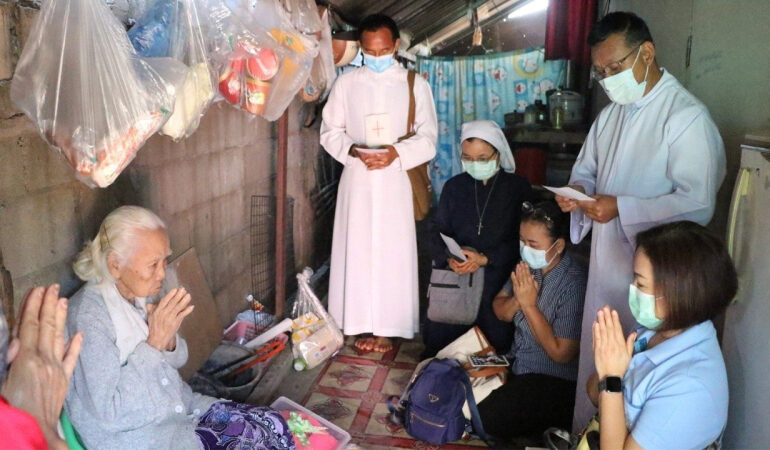

Catholic missionaries living in the rural villages of Chiang Mai in northern Thailand are shaping a model of presence rooted in shared daily life rather than formal preaching. Among rice fields, mountain paths, and Buddhist temples, members of the Idente Missionaries live alongside families from Karen, Lahu, Akha, Hmong, and Lisu communities, many of whom face economic instability and environmental vulnerability. Daily life in these villages is marked by irregular work, fragile agricultural cycles, and early school dropouts, leaving children and the elderly particularly exposed to hardship. Within this setting, the Catholic presence remains small but deliberate, focused on listening, coexistence, and mutual respect in a region where Buddhism is the dominant faith and religious identity is deeply interwoven with local tradition.
The Church’s engagement in northern Thailand developed after the Second World War and continues today through an approach that prioritizes cultural integration rather than replacement. Missionaries participate in local feasts, music, and communal gatherings, while liturgical celebrations often incorporate local languages and customs. Educational, healthcare, and agricultural initiatives operate as shared spaces where families of different faiths interact daily. Many Catholics in the region belong to tribal communities with strong social bonds, which missionaries say foster a natural environment for collective responsibility and solidarity. In urban areas such as Chiang Mai city, the mission adapts to different needs, particularly among young people who migrate alone for work or study and often lack family support or social stability.
Missionaries working in the region describe poverty less as a lack of material goods and more as the absence of opportunity and future prospects. Stories of adolescents forced to abandon education and elderly villagers isolated by illness and loss reflect broader structural challenges facing rural communities. Pastoral work is closely linked to social outreach, including visits to the sick, support for migrants, and development programs aimed at long term resilience. Interreligious cooperation is a daily reality, with Catholics, Buddhists, Muslims, and animist groups collaborating on environmental protection, education, and peace initiatives. After more than two decades in Chiang Mai, the Idente Missionaries continue to emphasize simplicity, presence, and compassion as the foundation of their work.